Best Flat Roof Patch Products for a Leak-Free Home
The Best Flat Roof Patch Products for 2026: Quick Answer
If you just need a fast answer, here are the top flat roof patch types by situation:
For an emergency leak during rain or standing water, use a rubberized wet patch, such as Henry 208R or 209XR.
For long-term waterproofing on flat or low-slope roofs, choose a liquid rubber sealant, such as Liquid Rubber Waterproof Sealant.
For an EPDM rubber roof patch, use an EPDM-specific peel-and-stick kit, such as RoofKit.
For a permanent silicone repair without primer, use a flashing-grade silicone, such as GacoPatch.
For a quick pour-and-go emergency fix, use a granular compound, such as ALCM Rapid Seal.
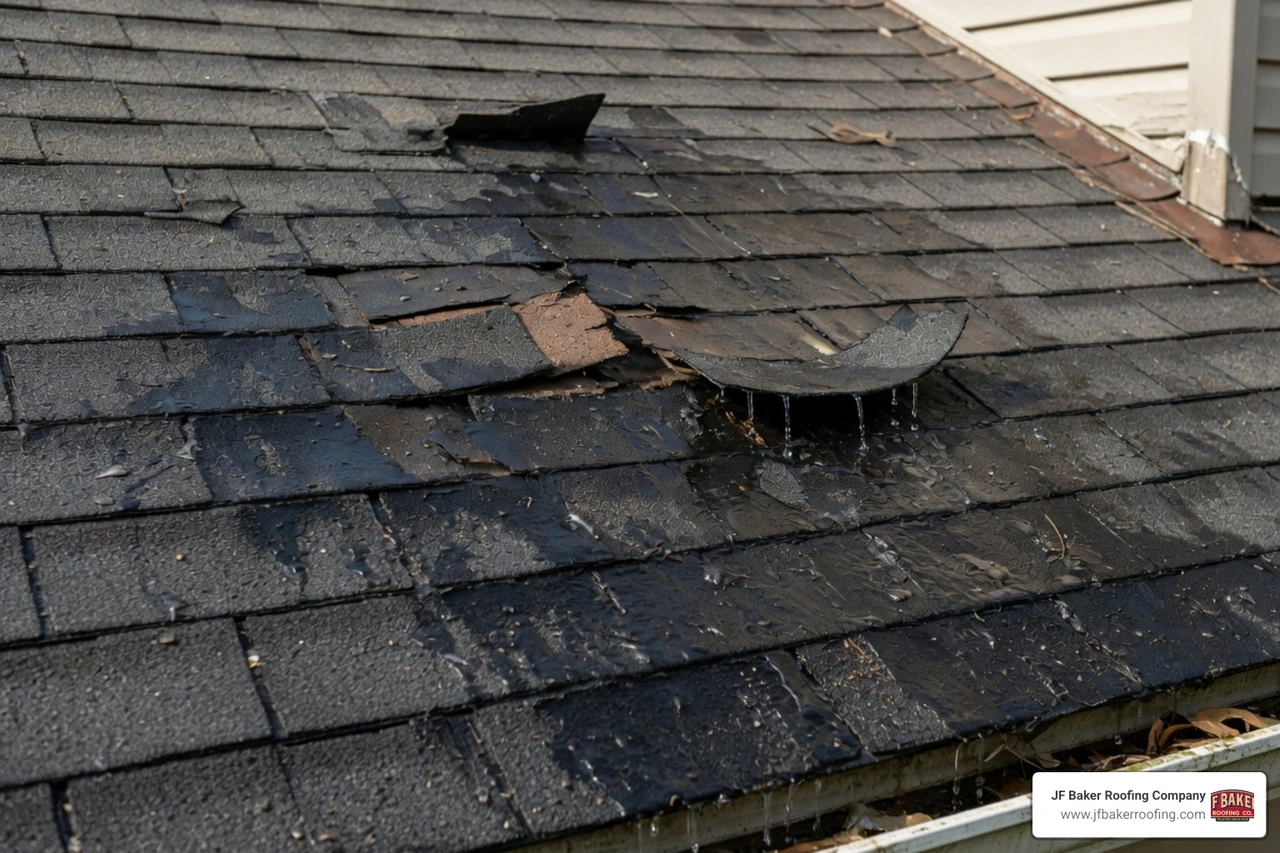
Finding the best flat roof patch is more urgent than most homeowners expect, especially after a Central Ohio spring storm rolls through and water starts finding its way inside.
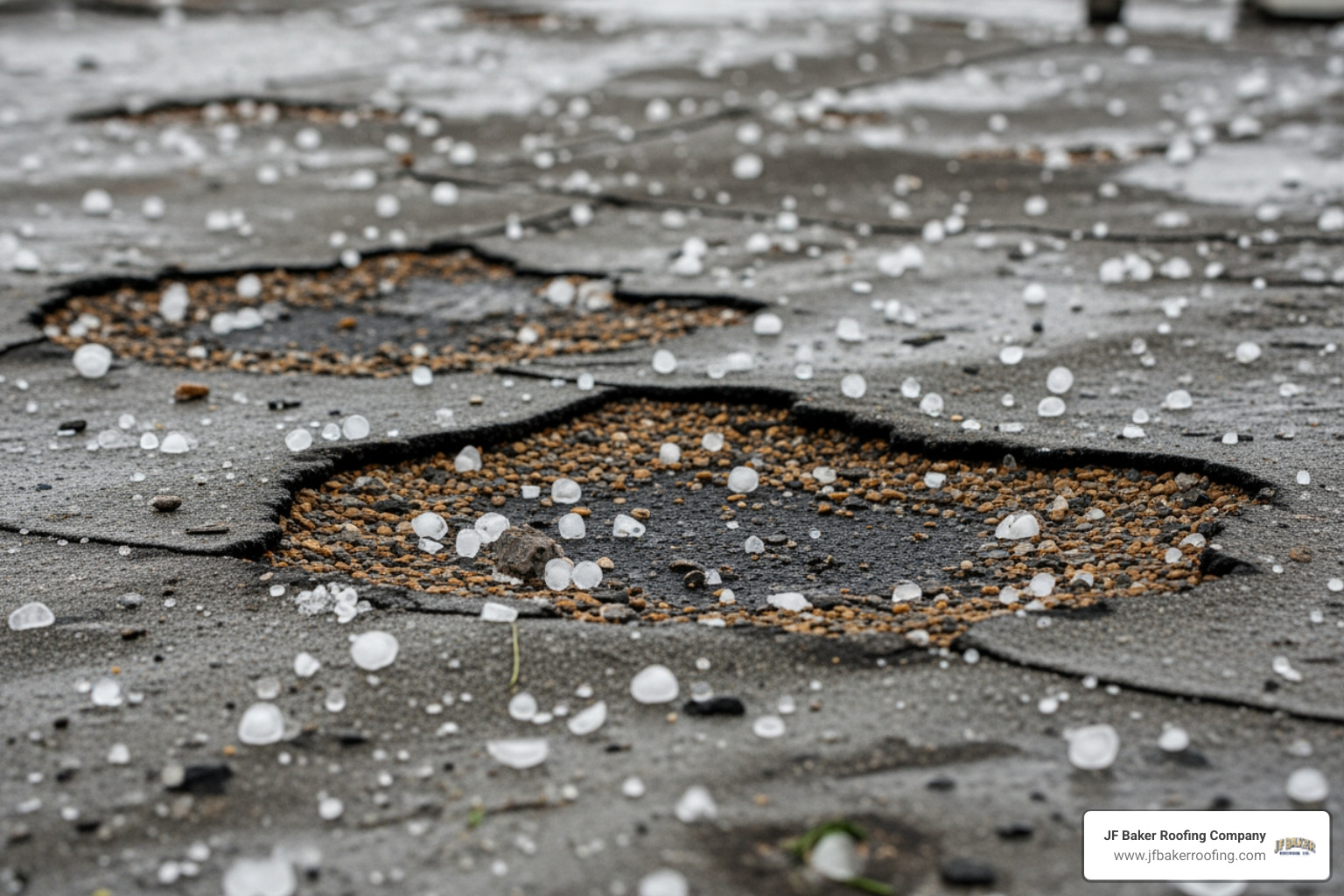
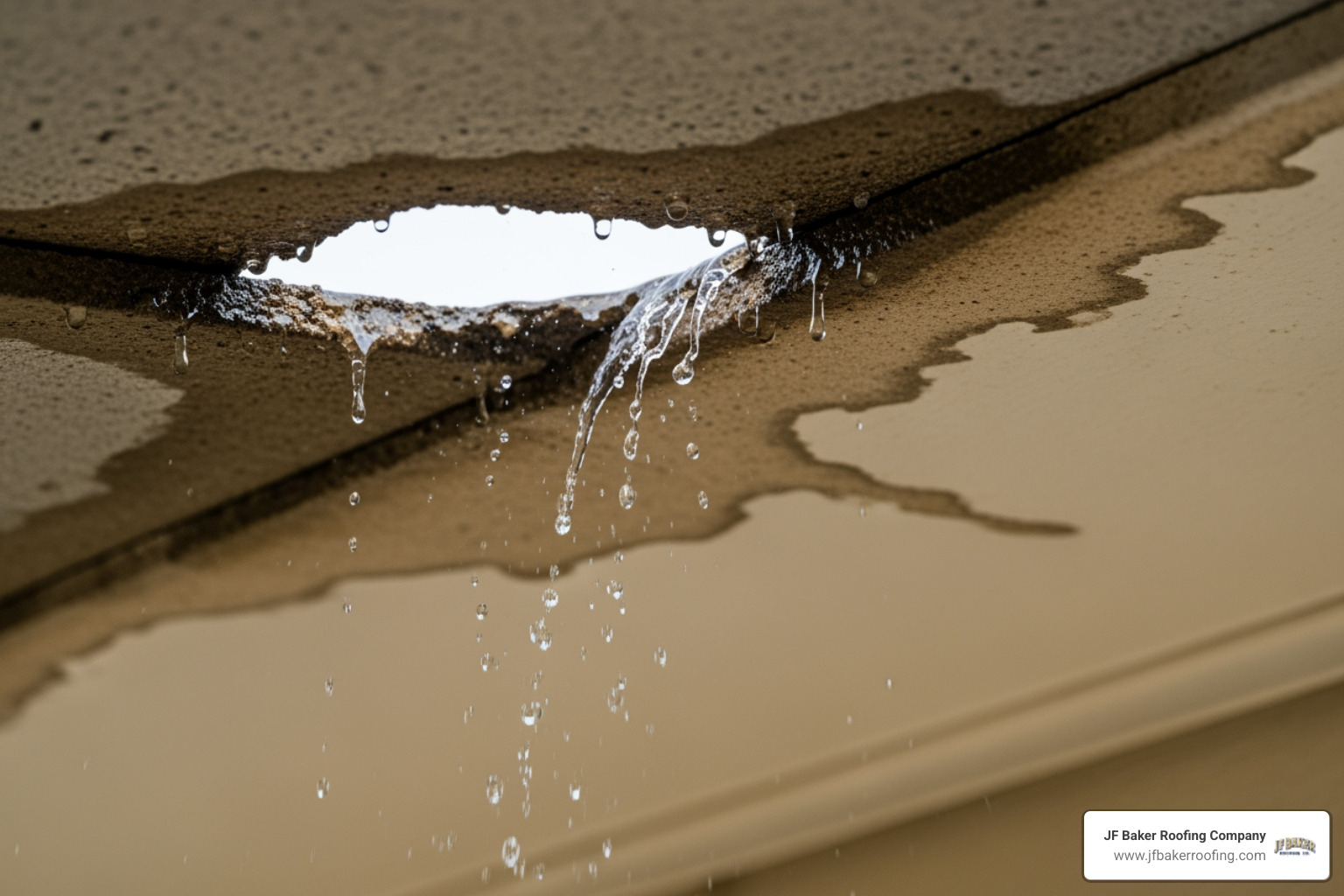
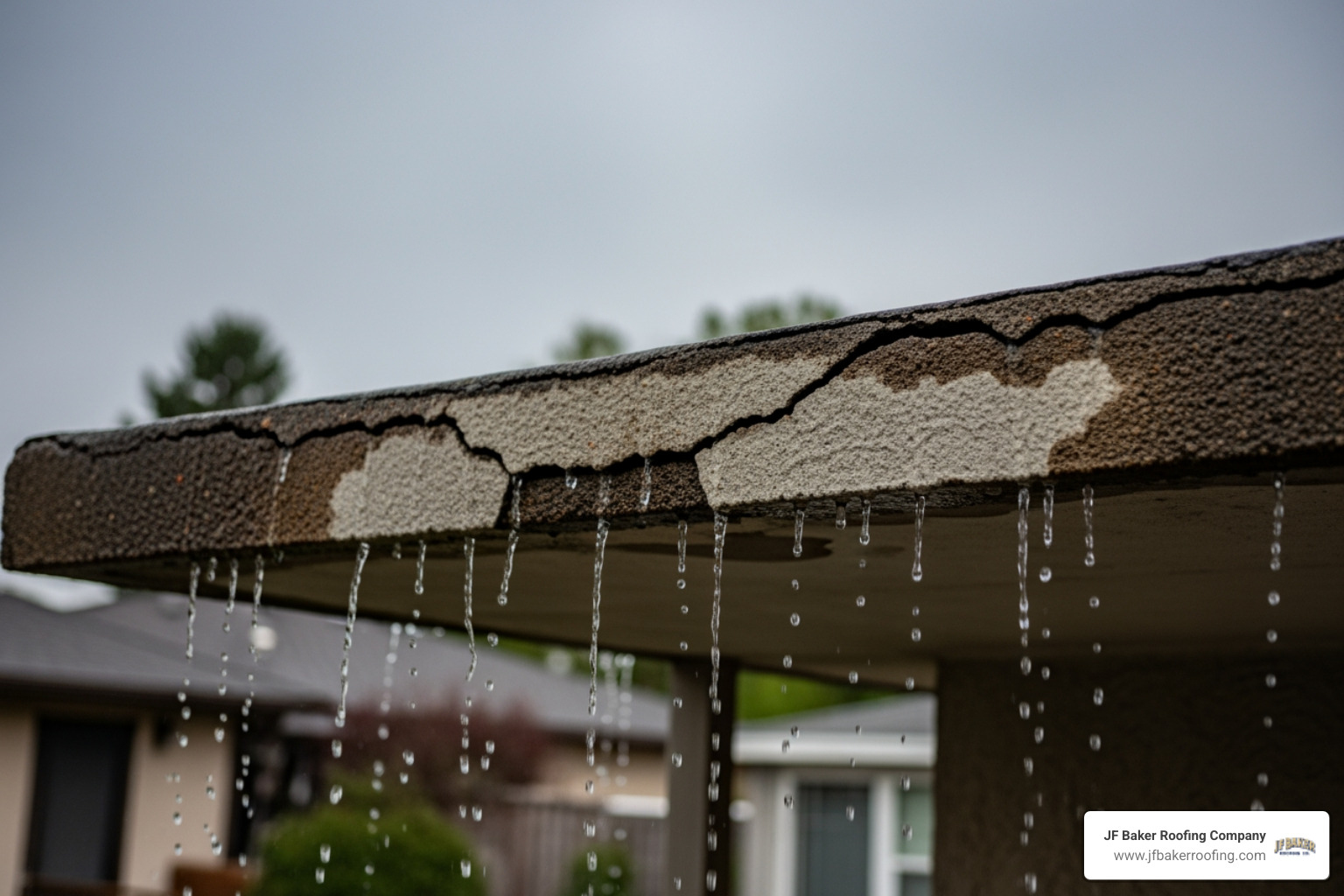
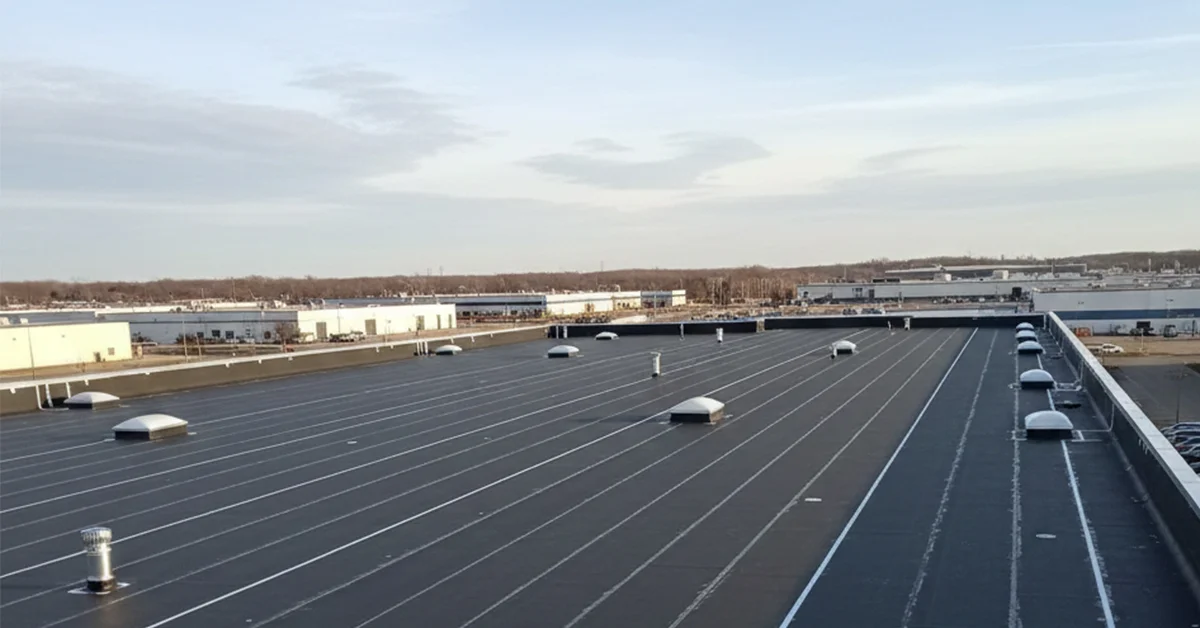
Flat roofs are practical, but they have one weakness: water has nowhere to run. It sits. It pools. And if there is even a small crack, gap, or worn seam, it will find a way in.
The good news is that most flat roof leaks can be repaired without a full replacement. The right patch material, applied correctly, can stop a leak fast and hold up for years.
This guide covers the best products available in May 2026, what each one is suited for, and how to apply them properly. Whether you are dealing with an active leak right now or planning ahead before summer heat stresses your membrane, you will find a clear answer here.
Know your best flat roof patch terms:
Essential Features of the Best Flat Roof Patch
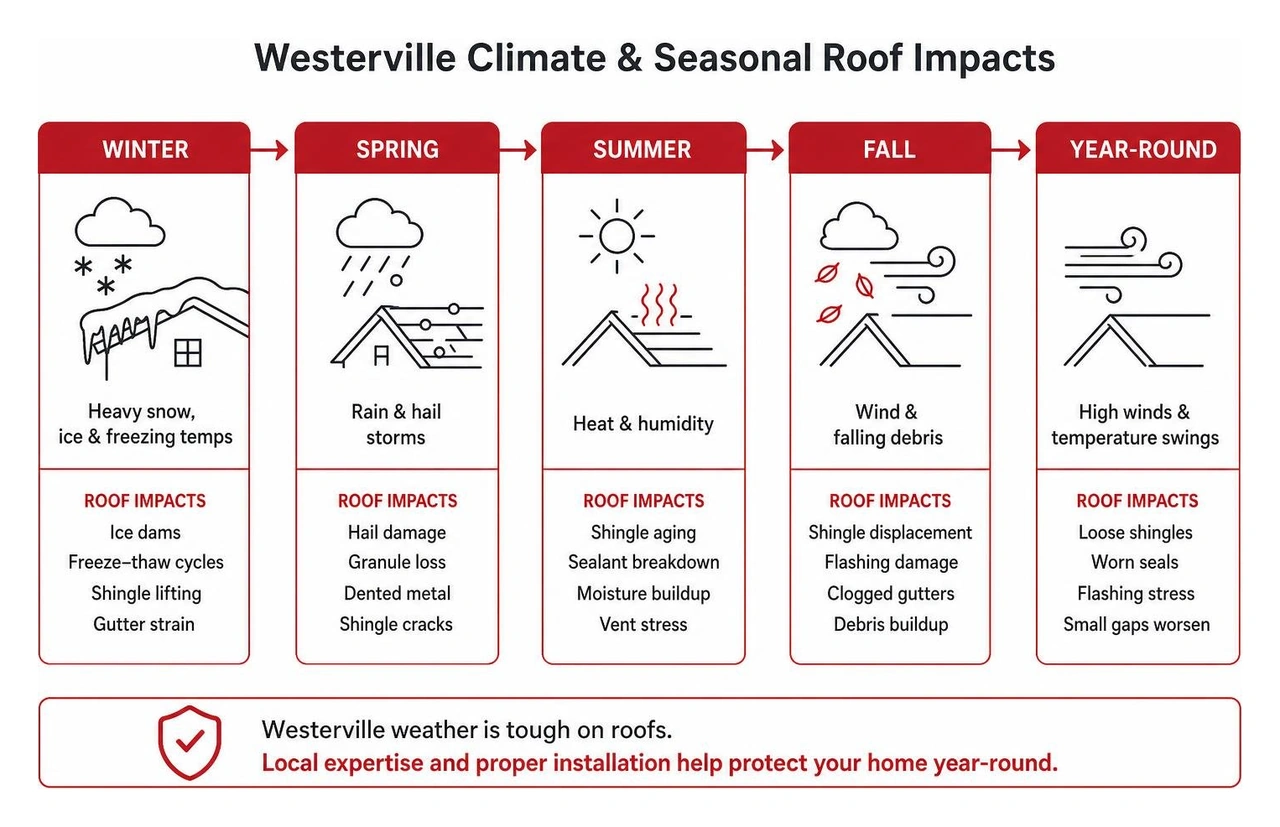
When we talk about flat roofs in Columbus or Westerville, we aren't just talking about keeping water out. We are talking about surviving the brutal swing from a 10-degree January morning to a 95-degree July afternoon. A patch that works on a sloped shingle roof might fail miserably on a flat surface because of one major issue: ponding water.
The best flat roof patch must be able to handle being submerged. On a flat roof, water doesn't just pass over the repair; it sits on top of it for days. If the material isn't rated for standing water, it will eventually re-emulsify or lose its bond.
Another critical feature is flexibility, often measured by elongation. High-quality liquid rubber sealants offer over 950% elongation. This means the patch can stretch and contract as the building moves and the temperature changes without cracking. Thermal movement is a leading cause of patch failure, so look for materials that stay rubbery rather than those that dry hard and brittle.
UV resistance is also vital. The sun beats down on flat roofs with no shade from gables or slopes. Products that are Energy Star certified or have high solar reflectivity help keep the surface cool and prevent the material from breaking down.
Finally, consider the "mil" thickness. In the roofing world, a mil is 1/1000 of an inch. Research shows that a coating 30 mils thick can last 10 years longer than one only 20 mils thick. For a truly waterproof membrane on a flat surface, we often recommend applying multiple heavy coats to achieve a 60-80 mil thickness.
Top Recommended Materials for Flat Roof Repairs
Not all patches are created equal. The material you choose depends on what your roof is made of and how long you need the fix to last.
Liquid Rubber and Silicone
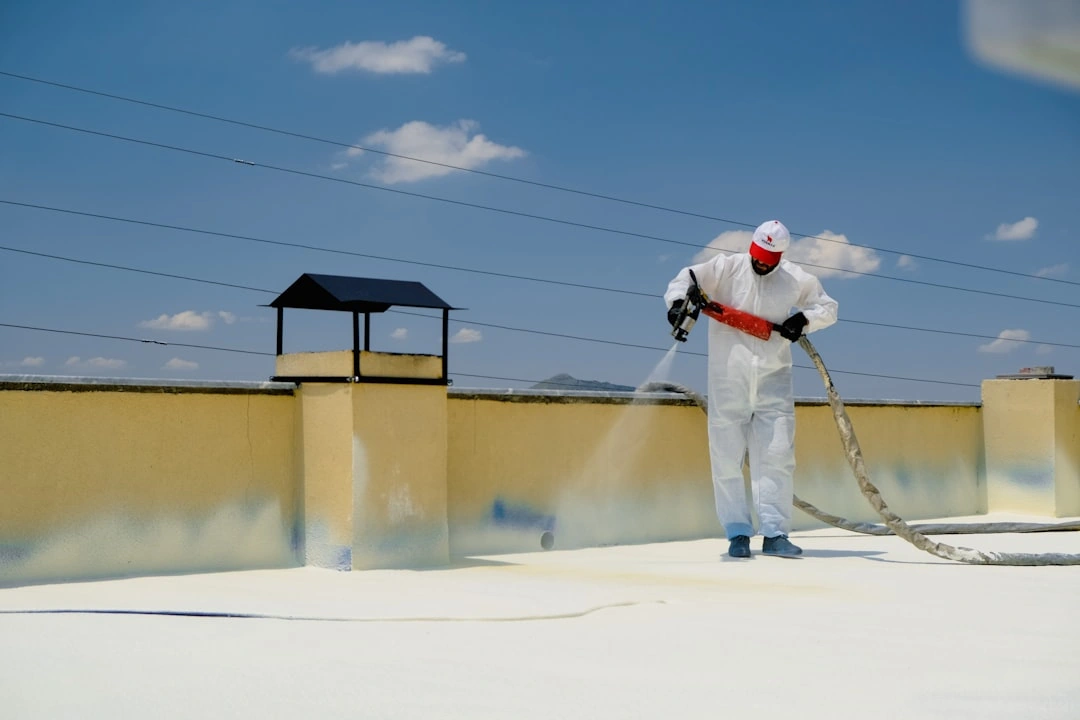
Liquid rubber and silicone are the heavy hitters of the repair world. A product like GacoPatch silicone sealant is a standout because it is UV stable and does not chalk or crack over time. One of the biggest advantages of high-end silicone patches is that they often don't require a primer, which saves a lot of time during a DIY repair.
Asphalt-Based Cements
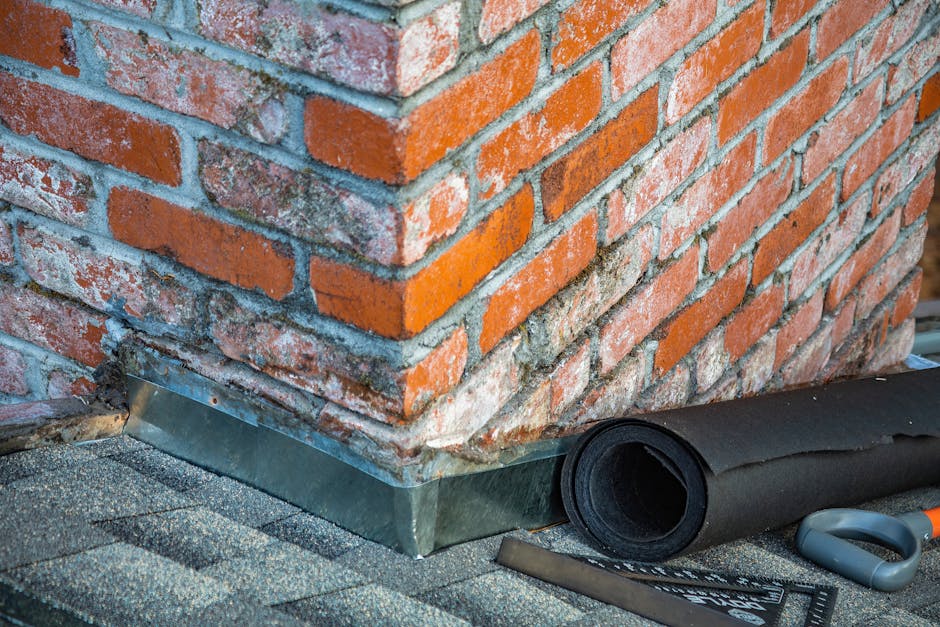
For traditional built-up roofs (BUR) or modified bitumen, asphalt-based cements are the standard. The Ultimate Wet Roof Patch is a great example of a heavily fibrated material. Being "heavily fibrated" means it has fibers mixed into the asphalt to give it structural strength and sag resistance, which is especially helpful if you are patching a transition where the roof meets a wall or chimney.
If you are working with a rubber roof specifically, you'll want to check out our detailed guide on Rubber Flat Roof Repair to ensure you aren't using an oil-based product that could damage the membrane.
Choosing the Best Flat Roof Patch for EPDM and TPO
If your home or commercial building has a single-ply membrane like EPDM (rubber) or TPO (plastic), you need to be careful. Standard asphalt "wet patch" can actually eat away at EPDM.
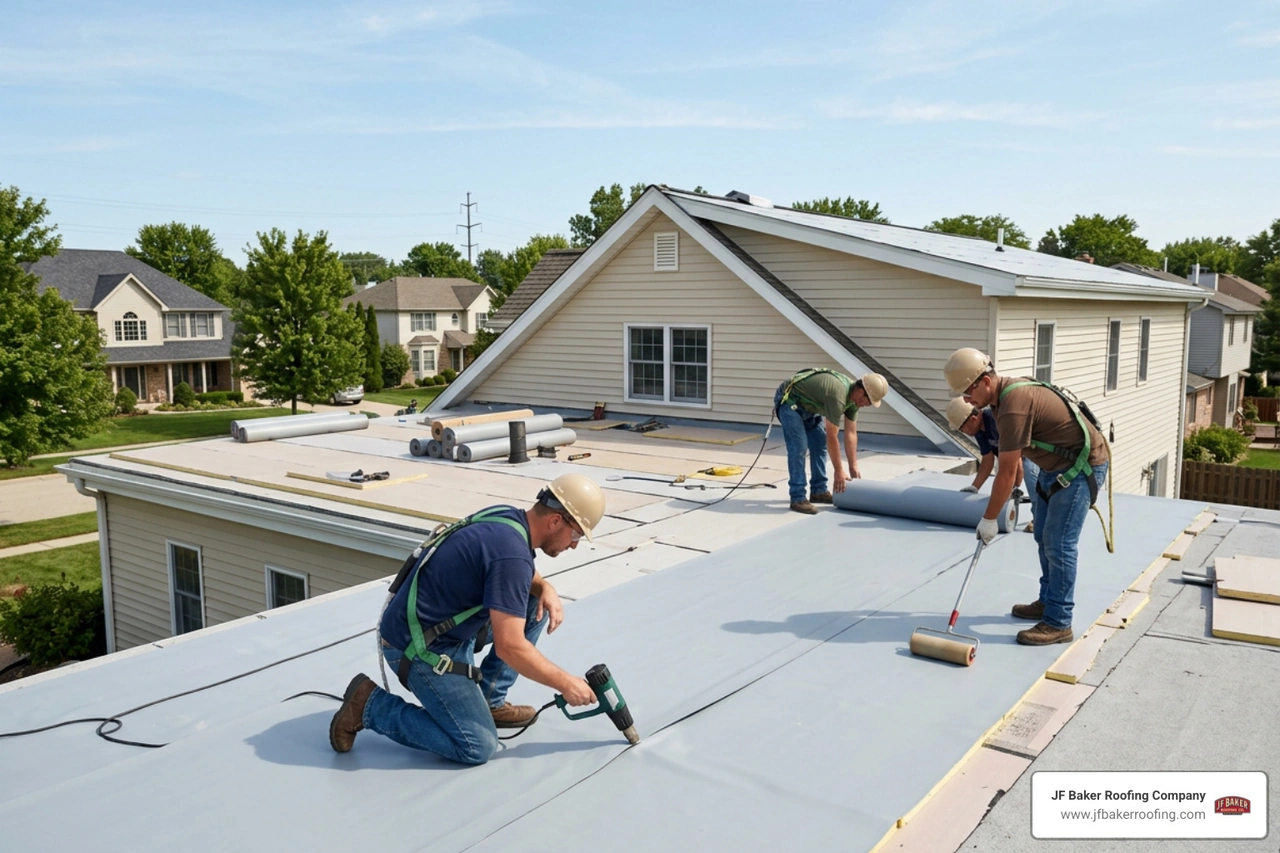
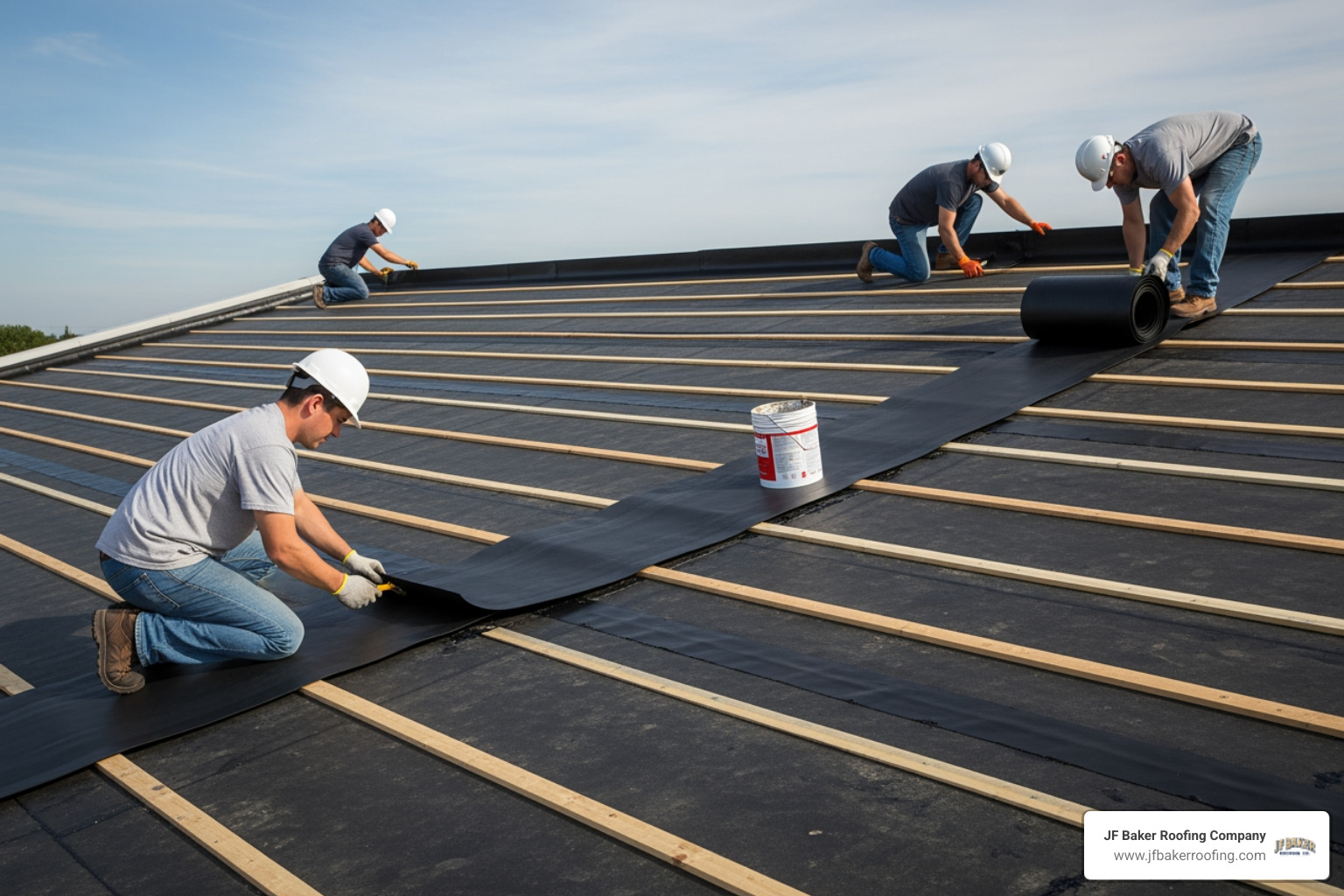
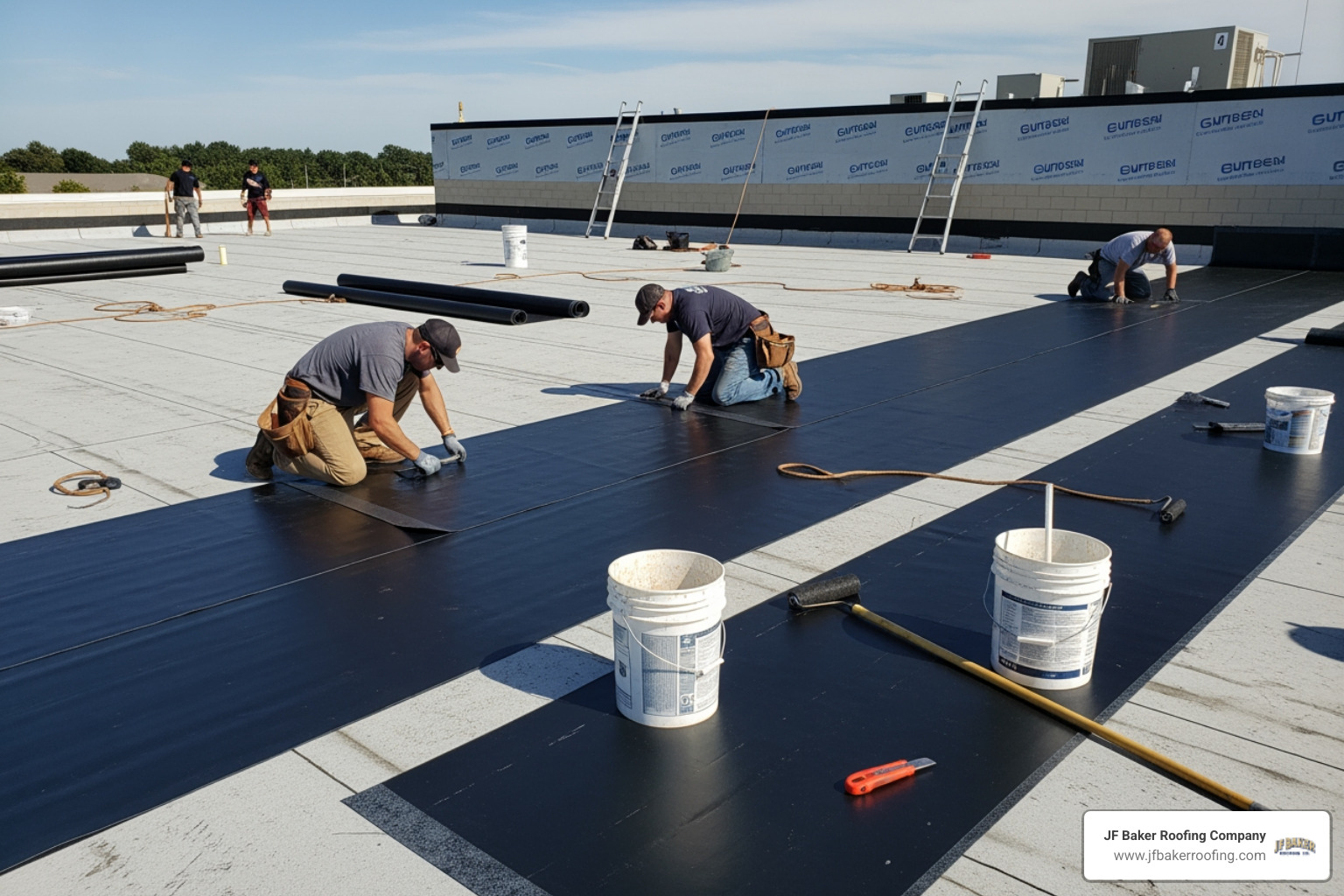
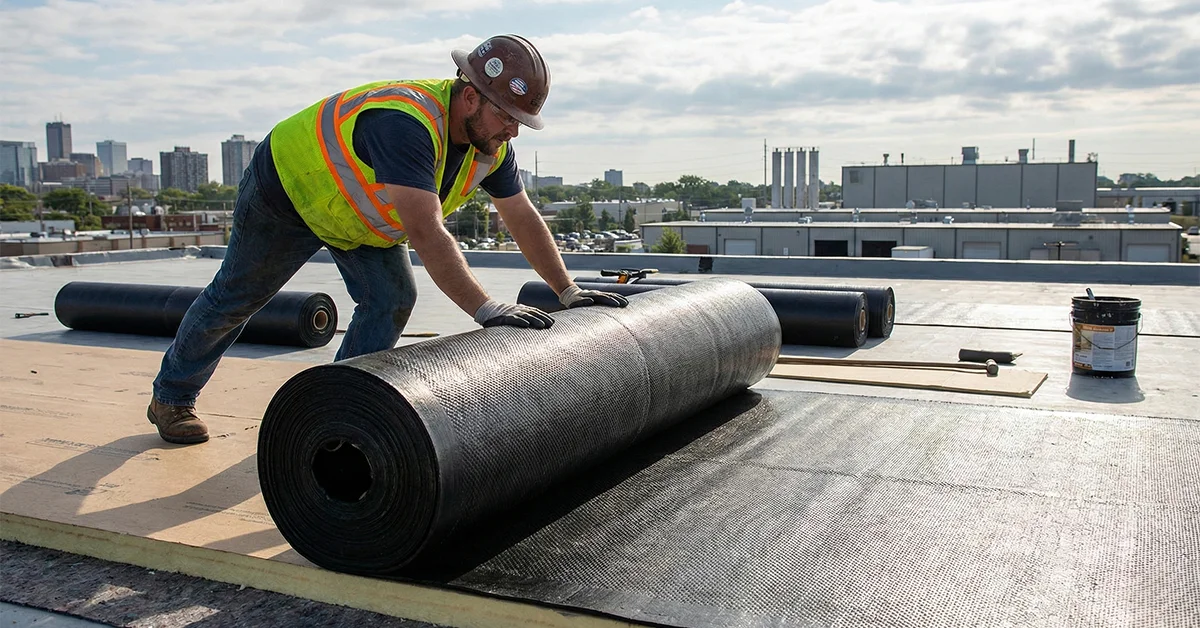
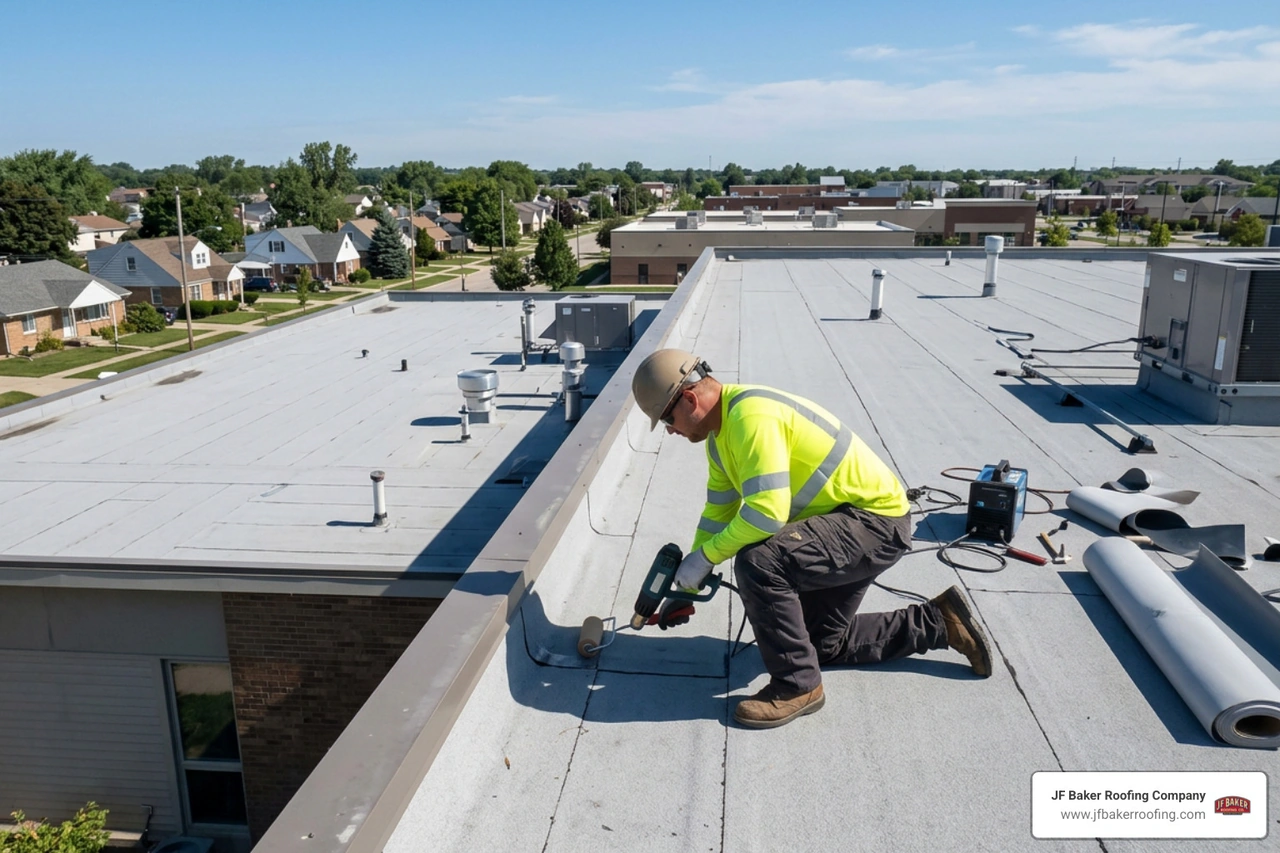
For these roofs, the best flat roof patch is often a peel-and-stick kit. The RoofKit EPDM Patch Kit is a popular choice for DIYers. These kits usually include:
- EPDM patches
- A scrubbie pad for cleaning
- Seam primer
- A wood roller to press the patch down
The key to success with these is the primer. Without it, the "sticky" part of the patch won't create a chemical bond with the old roof. You can learn more about the specifics of these materials in our EPDM Rubber Roof Installation Guide.
The Best Flat Roof Patch for Emergency Wet Weather Repairs
We’ve all been there: it’s 2:00 AM, it’s pouring rain in Gahanna, and you see a drip in the kitchen. You can't wait for the roof to dry.
In these cases, you need a rubberized wet patch designed for underwater adhesion. Products like Henry 208R or 209XR are specifically engineered to displace water. You can literally spread them into a puddle, and they will stick to the surface underneath. These bitumen-based formulas provide instant leak stopping and often come with a 10-year warranty.
How to Apply a Flat Roof Patch for Long-Lasting Results
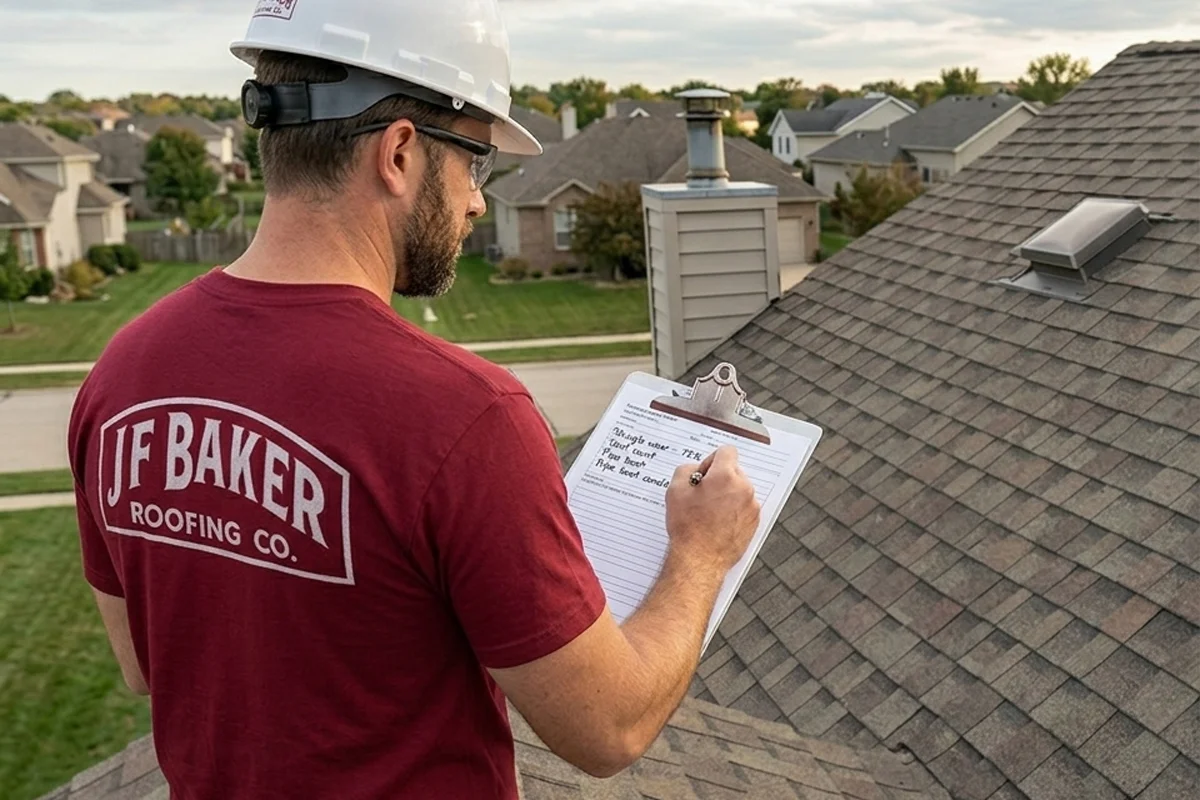
Even the best flat roof patch will fail if the preparation is sloppy. We have been serving Central Ohio since 1929, and the most common reason we see patches fail is because they were applied over dirt or loose debris.
Step 1: Surface Preparation
You must clean the area thoroughly. For liquid rubber or silicone, we recommend scrubbing the area with a solution of Trisodium Phosphate (TSP) and water. If you see mold or mildew, use a 3:1 water-to-bleach solution. The surface doesn't always have to be bone-dry (depending on the product), but it must be clean.
Step 2: The 3-Course Method
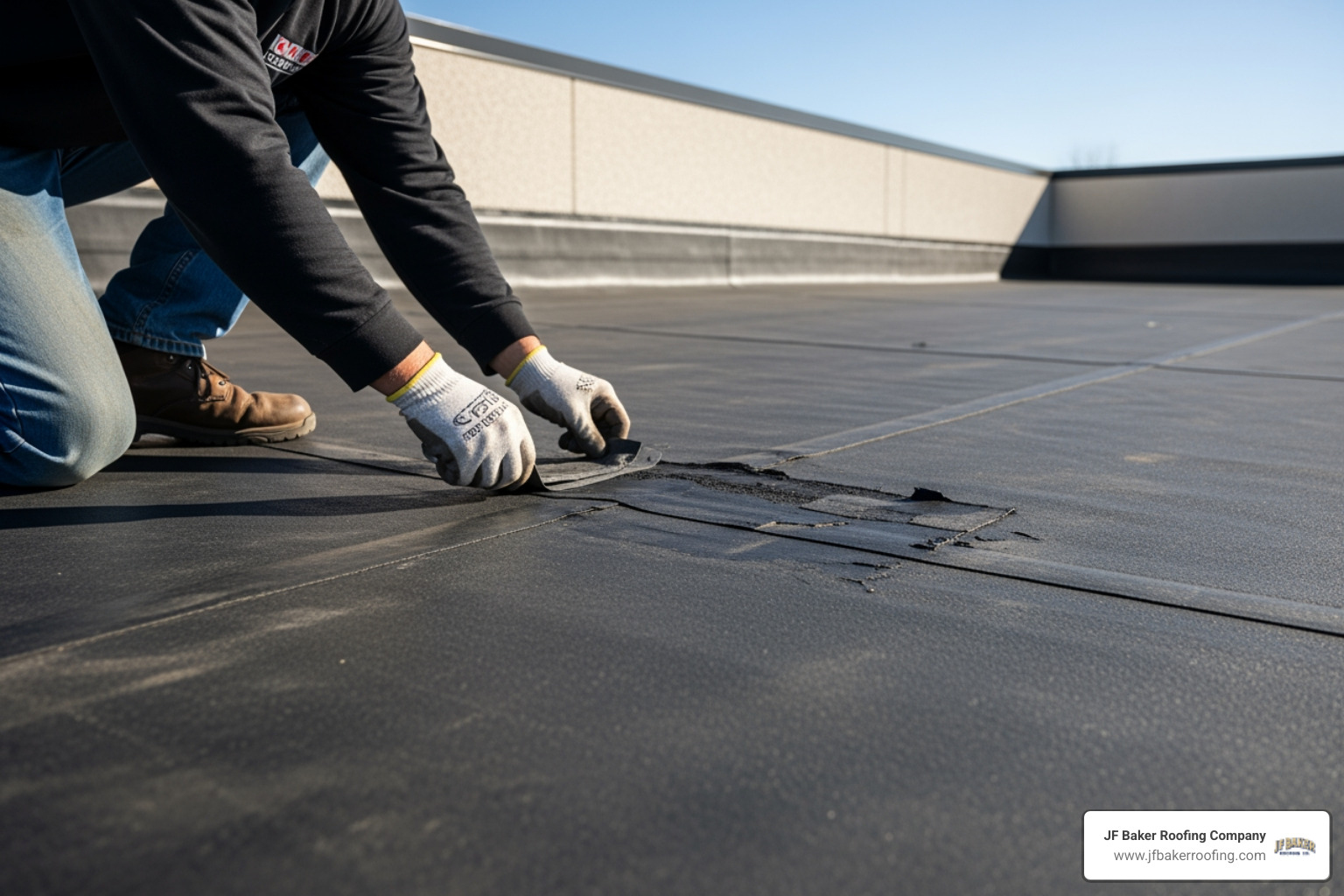
For any crack wider than 1/4 inch, a simple "shmear" of sealant isn't enough. You need the 3-course method:
- Apply a thick layer of the patch material.
- Embed a layer of reinforcing fabric (mesh) into the wet material.
- Apply a second layer of patch material over the fabric.
This creates a reinforced "sandwich" that can handle the roof's movement without tearing.
Step 3: Coverage and Curing
Most wet patch products cover about 12.5 square feet per gallon when applied at 1/8 inch thickness. If you are using a liquid rubber membrane, you might need 3-4 heavy coats to reach the recommended thickness.
- Henry 208R Wet Patch: Covers about 12.5 sq. ft. per gallon. Best for emergency leaks and wet surfaces.
- Liquid Rubber Sealant: Covers about 15 sq. ft. per gallon. Best for long-term flat roof coating.
- ALCM Rapid Seal: Covers about 50 sq. ft. per 25 lb bucket. Best for emergency pour-and-go repairs.
- GacoPatch Silicone: Coverage varies by thickness. Best for permanent flashing repair.
Always wear rubber gloves—these materials are notoriously difficult to get off your skin. If you plan to apply a reflective top coat, wait at least 30 days for the solvents in the patch to cure, or the top coat might bubble and peel.
Comparing Liquid Sealants, Wet Cements, and Repair Tapes
When choosing the best flat roof patch, you are usually deciding between three formats.
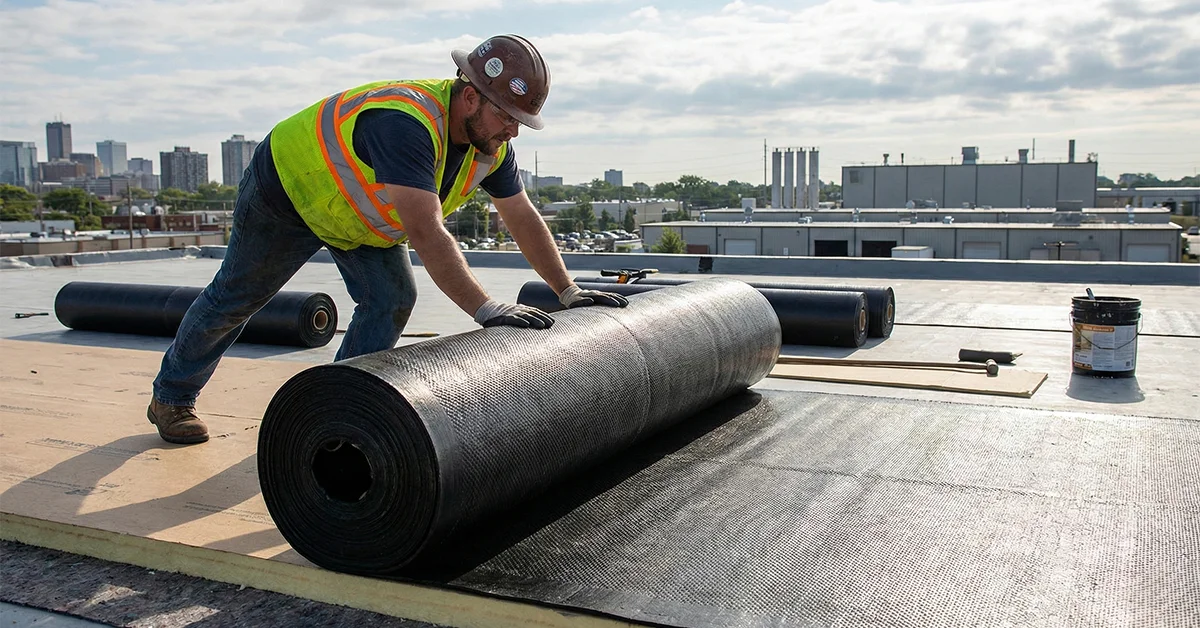
Liquid Sealants (Membranes): These are best for large areas or roofs with lots of protrusions like vents and pipes. They create a seamless waterproof barrier. They take longer to apply (multiple coats) but offer the best long-term protection, often lasting 10-20 years.
Wet Cements (Trowel-Grade): These are thick, like peanut butter. They are the best for emergency repairs and vertical surfaces because they don't sag. They are great for filling deep cracks or holes.
Repair Tapes: Peel-and-stick tapes like Gorilla Waterproof Patch & Seal or EPDM tapes are incredibly fast. They are excellent for straight seams or small punctures. Some even work underwater. However, they can be tricky to apply on uneven surfaces or around complex corners.
Frequently Asked Questions about Flat Roof Maintenance
Can a flat roof patch handle standing water?
Not all of them can. Traditional acrylic patches often fail if submerged for long periods. However, silicone-based patches (like GacoPatch) and rubberized bitumen patches (like Henry 208R) are specifically designed to handle ponding water without breaking down.
How long do flat roof patches typically last?
A high-quality, properly applied patch can last anywhere from 5 to 10 years. If you use a reinforced 3-course method with a UV-stable silicone or liquid rubber, you might get 15 years out of the repair. Regular Rubber Roof Inspection Service once a year can help you spot when a patch is starting to age.
What is the best way to patch a large crack in a flat roof?
The 3-course method mentioned earlier is the gold standard. By using a reinforcing fabric between two layers of sealant, you give the patch the structural integrity to span the crack even as the roof expands and contracts in the Ohio weather.
Conclusion
At JF Baker Roofing, we know that a leaking flat roof can be a major stressor for homeowners in Columbus, Dublin, and throughout Central Ohio. Whether you are looking for the best flat roof patch to handle a midnight emergency or you are planning a more permanent repair, choosing the right material is the first step toward a dry home.
Since 1929, our family has built a reputation on integrity and quality craftsmanship. We believe in providing honest assessments—if a repair will solve your problem, that is exactly what we will recommend. We don't believe in high-pressure sales tactics; we just believe in roofs that last.
If you have discovered damage after a storm or are worried about an aging flat roof, we are here to help. From Upper Arlington to Westerville, our third-generation owners, Chad and Pat Baker, ensure that every job meets the high standards our community has expected for nearly a century.
If you need professional assistance with Storm Damage Repairs or a comprehensive roof inspection, give us a call. We stand behind every roof we install and every repair we make. Let our reputation be your security.





.jpeg)