How to Succeed at Rubber Roof Maintenance, Even if You've Failed in the Past
Why House Rubber Roof Maintenance Determines Whether Your Roof Lasts 10 Years or 30
House rubber roof maintenance is the single biggest factor in how long your flat or low-slope roof survives. Here is what you need to know right away:
- Inspect your rubber roof at least twice a year, in spring and fall
- Clean it four times a year using mild soap and a soft-bristle brush
- Avoid petroleum-based products, citrus cleaners, and mineral oils — they degrade the membrane
- Reseal seams and flashing every 2-4 years
- Clear drains and gutters regularly to prevent ponding water
- Call a professional if you see multiple leaks, structural damage, or water that pools for more than 48 hours
A well-maintained rubber roof can last 20-30 years. Neglect it, and it can fail in as little as 5-7 years. That gap is almost entirely within your control.
Flat roofs work hard. They take the full force of Ohio winters, spring storms, and summer heat with nowhere to shed water except through drains and gutters. Most rubber roof failures do not happen overnight. They start small — a loose seam here, a clogged drain there — and quietly get worse until water is finding its way inside.
The good news is that rubber roofing is one of the more forgiving systems out there. It does not ask for much. But it does ask for something.
I am Chad M. Baker, and along with my brother Pat, I have spent my career helping Central Ohio homeowners get more life out of their roofs — including the flat and low-slope rubber systems that top garages, additions, and commercial buildings across Columbus.
Understanding Your Home's Rubber Membrane (EPDM, TPO, and PVC)
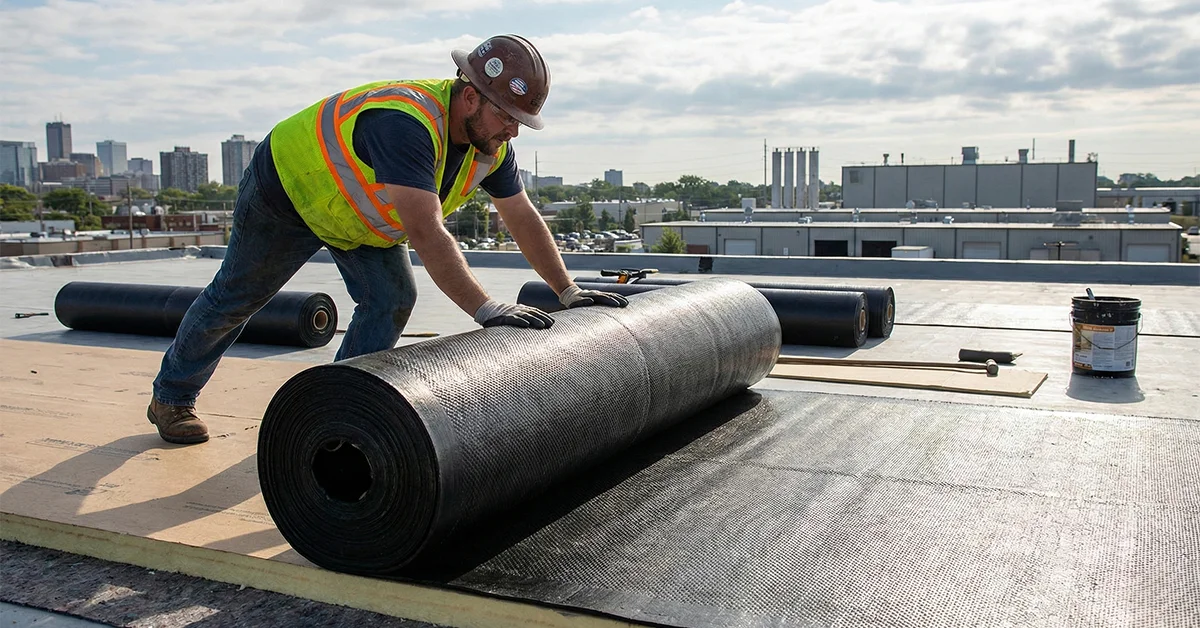
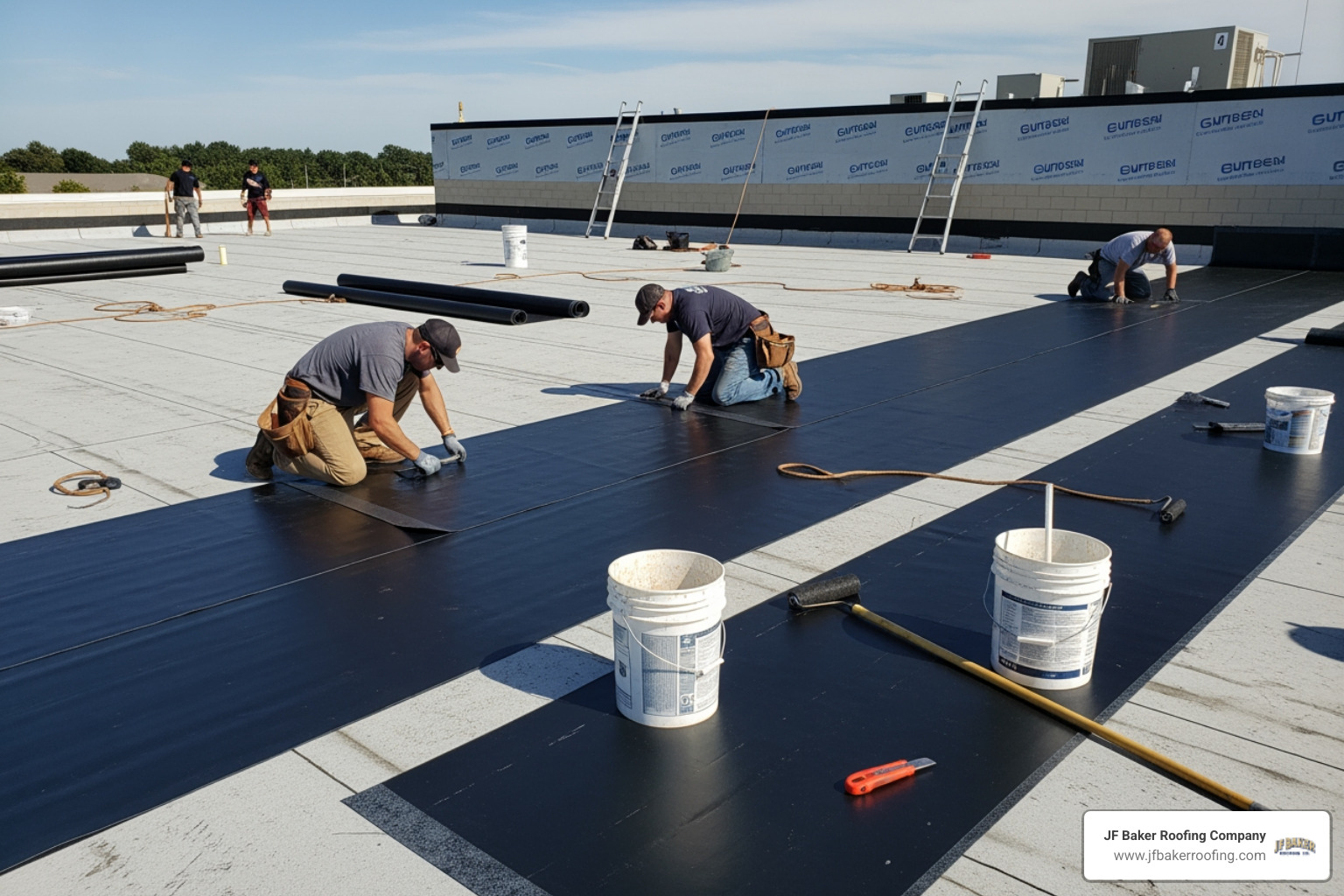
Before you can care for your roof, you need to know what you are actually walking on. While homeowners often refer to any single-ply flat roof as a rubber roof, there are actually three distinct types of membranes used on residential structures: EPDM, TPO, and PVC. Each has its own chemical makeup, physical properties, and maintenance needs.
If you are planning an installation or trying to understand your existing setup, reviewing our EPDM Rubber Roof Installation Guide is a great place to start. Identifying your specific material is crucial because using the wrong cleaner or sealant can chemically melt your roof, leading to rapid failure.
EPDM vs TPO vs PVC
Let us break down how to identify these three common single-ply membranes so you do not accidentally damage your roof during routine care:
- EPDM (Ethylene Propylene Diene Monomer): This is the classic synthetic rubber roof. It looks and feels like a giant black rubber inner tube. It is incredibly durable, highly flexible, and can withstand decades of UV rays. However, EPDM is highly sensitive to petroleum products, mineral oils, and citrus-based cleaners. These chemicals break down the polymer chains, causing the rubber to swell, blister, and dissolve.
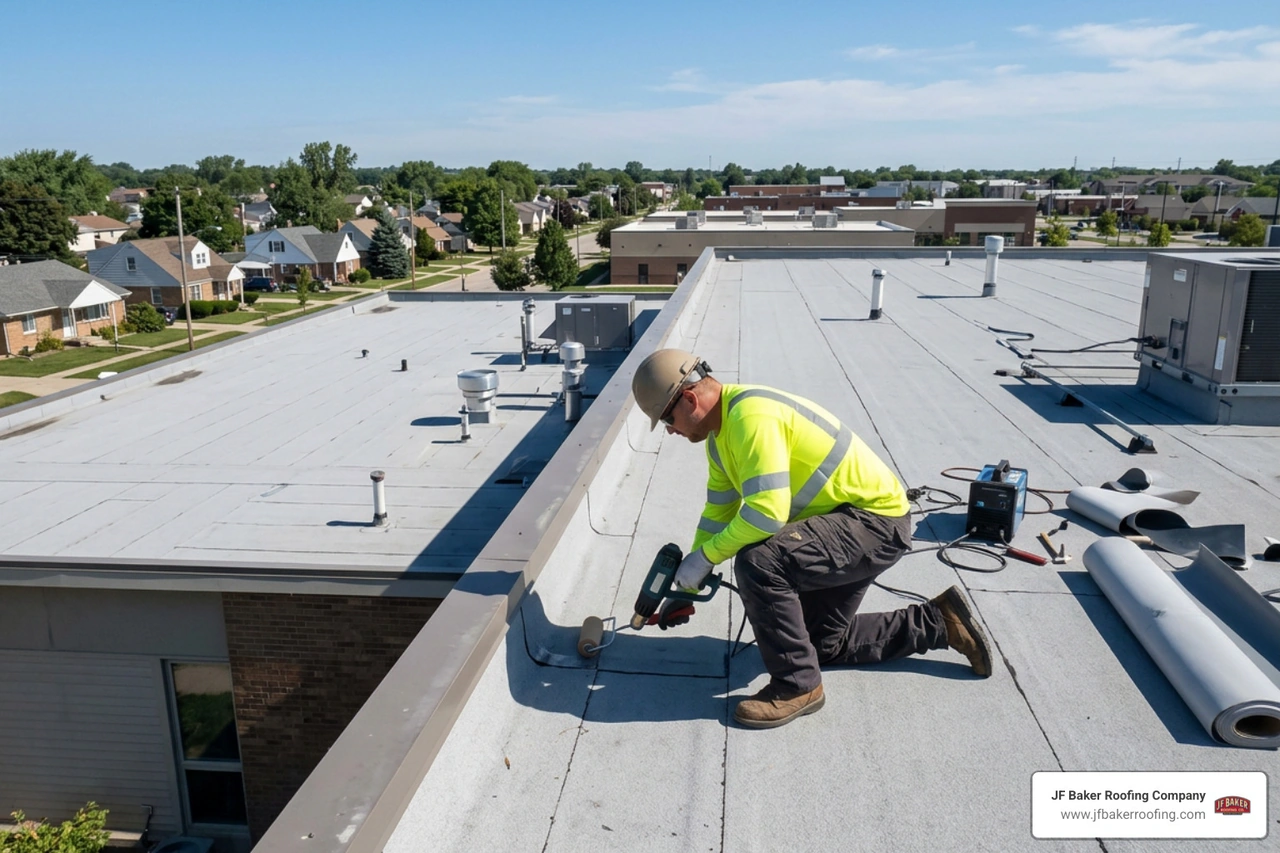
- TPO (Thermoplastic Polyolefin): This membrane is usually white or light gray. It feels plastic-like and often has a slight, woven-looking texture. Unlike EPDM, TPO seams are heat-welded together rather than glued. TPO has excellent resistance to chemical exposure, but it requires specialized primers if you ever need to apply a liquid coating.
- PVC (Polyvinyl Chloride): Similar in appearance to TPO, PVC is a white or light-colored plastic membrane. It is highly resistant to oils, chemicals, and punctures, and its seams are also heat-welded. PVC is incredibly tough, but it is typically more rigid than EPDM.
If you are managing a larger building in Central Ohio, understanding these distinctions is also a core part of our Commercial Roofing Guide 2026 and our overview of the Types of Commercial Roofing Systems.
Lifespan and the Value of House Rubber Roof Maintenance
A high-quality rubber roof is designed to last. In fact, when installed correctly and cared for properly, EPDM rubber roofing has an expected service life of 20 to 30 years, and some installations can even last up to 50 years.
Unfortunately, many homeowners confuse "low maintenance" with "no maintenance." Without regular care, a neglected rubber roof can fail in as little as 5 to 7 years. Small problems like a separated seam or a tiny puncture from a fallen branch can quickly allow water to rot the wood decking underneath.
The financial incentive for proactive care is massive. Property owners with documented maintenance programs consistently see their roofs last 10 to 15 years longer than neglected systems. Furthermore, preventative maintenance saves between 60% and 80% compared to the cost of reactive, emergency repairs. Spending a little time sweeping and washing your roof is much easier on your wallet than dealing with a sudden, active leak. For more on how proper upkeep prevents costly damage, check out this Rubber Roof Maintenance Guide: Prevent Leaks & Damage.
The Ultimate House Rubber Roof Maintenance Checklist
To keep your rubber roof in peak condition, you need a structured approach. We recommend keeping a simple digital log of your inspections, cleanings, and any minor repairs. This record is invaluable for tracking the age of your roof and ensuring warranty compliance.
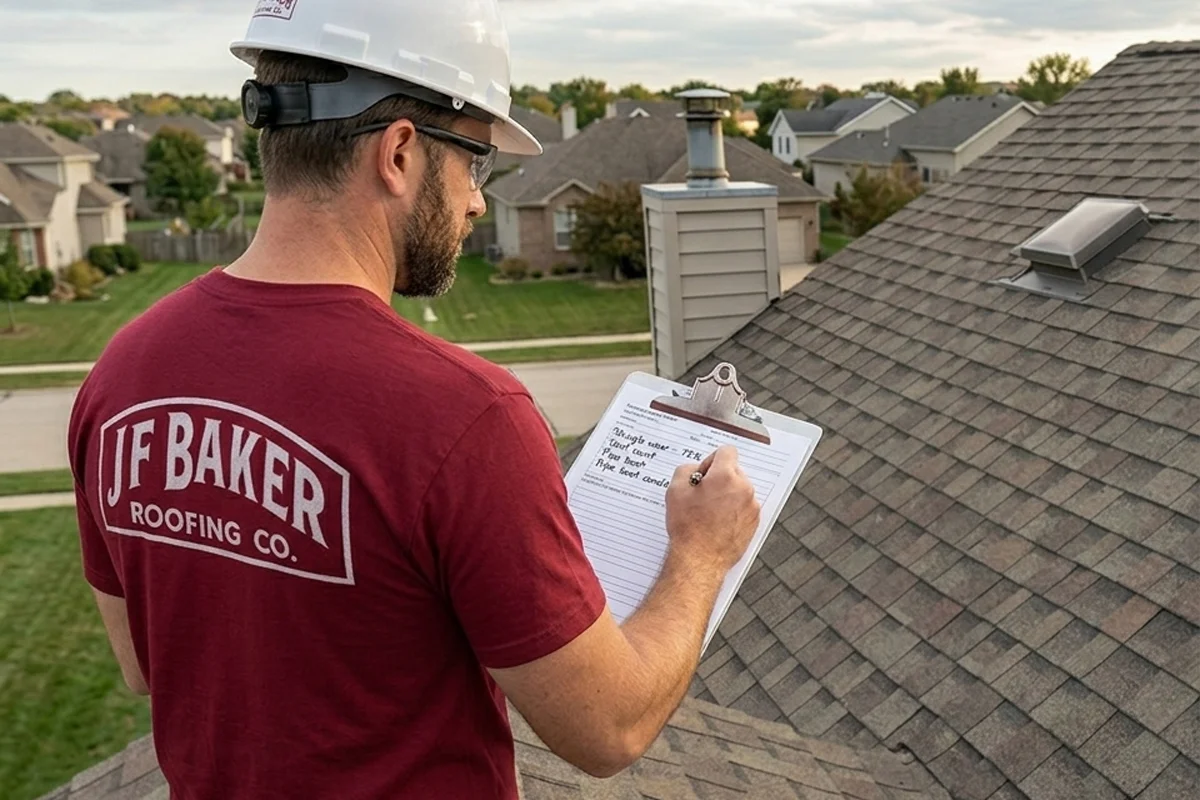
If you are uncomfortable climbing onto your roof or want a professional set of eyes to check the hard-to-reach areas, our team at JF Baker Roofing offers a comprehensive Rubber Roof Inspection Service to give you peace of mind.
Bi-Annual Inspections and Seasonal Care
You should inspect your rubber roof at least twice a year, ideally in the early spring and early autumn.
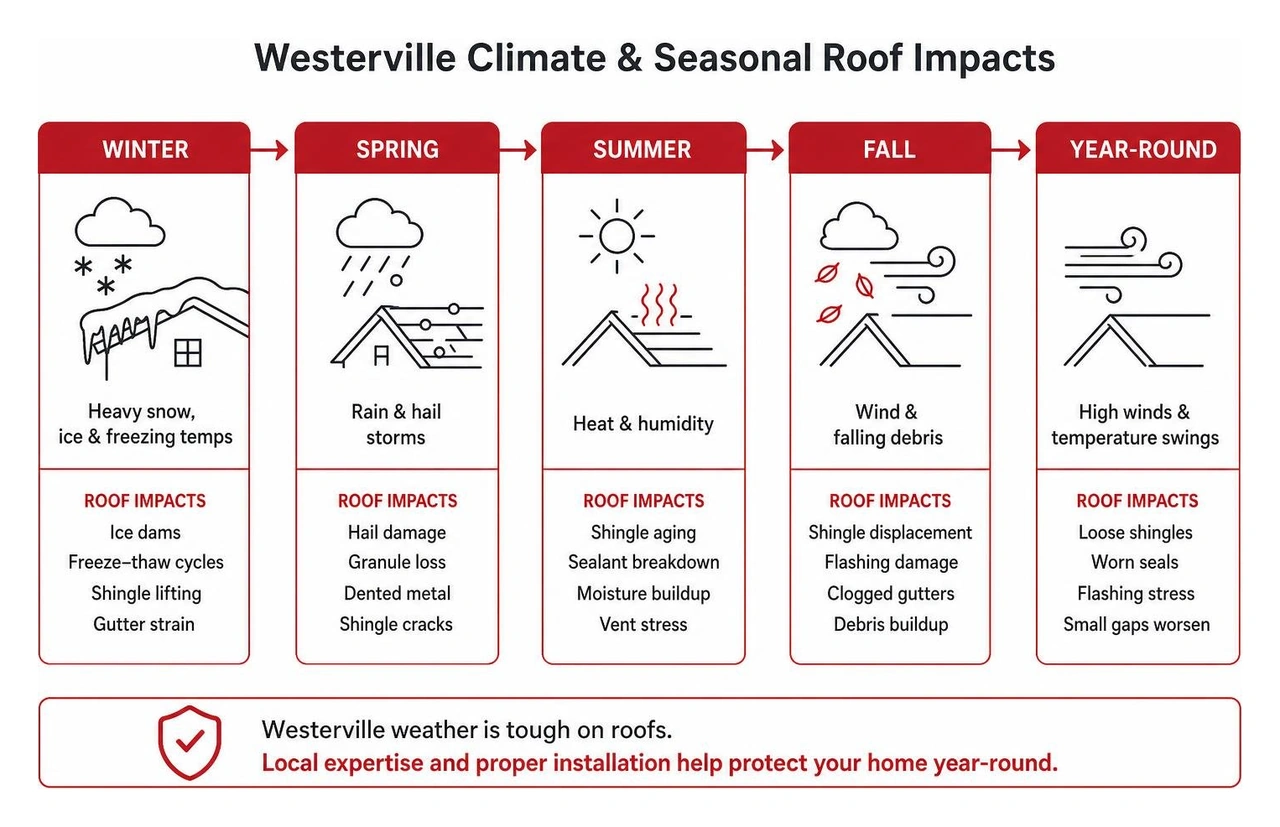
In Central Ohio, our climate puts unique stresses on flat roofing. The intense freeze-thaw cycles of Columbus winters can cause rubber membranes to shrink, pull at the seams, and put extreme stress on flashing. Inspecting in the spring allows you to find and fix any winter-inflicted damage before spring rains arrive. Inspecting in the fall ensures your roof is clear of leaves and ready to handle snow and ice.
You should also do a quick visual check after major weather events, such as severe summer thunderstorms or heavy windstorms. For a complete look at seasonal flat roof care, see this practical A Rubber Roof Maintenance Guide for Homeowners - Amber Flat Roofing.
Safe Cleaning Methods and Products to Avoid
Cleaning your rubber roof does not require expensive, highly specialized chemicals. In fact, standard household dish soap and warm water are among the safest and most effective tools you can use.
To clean your roof safely, follow this simple process:
- Clear the Debris: Sweep the entire roof with a soft-bristled broom to remove loose dirt, leaves, and twigs.
- Wet the Surface: Spray the roof and the sides of your home with a garden hose. Wetting the siding prevents dirty runoff from leaving permanent streaks on your walls.
- Mix Your Cleaner: Mix a mild, non-abrasive soap (like standard dish soap) in a bucket of warm water.
- Scrub in Sections: Work in small, manageable sections. Apply the soapy water and scrub gently with a soft or medium-bristled brush. Never use wire brushes or harsh abrasive pads.
- Rinse Thoroughly: Rinse the section completely with clean water before the soap has a chance to dry on the membrane.
What to Avoid: You must never use petroleum-based products, citrus-based cleaners, or mineral oils on EPDM rubber. These products will chemically degrade and dissolve the rubber, causing permanent damage. Also, avoid using high-pressure washers directly on seams and penetrations, as they can easily rip the membrane open.
Troubleshooting Common Rubber Roof Problems
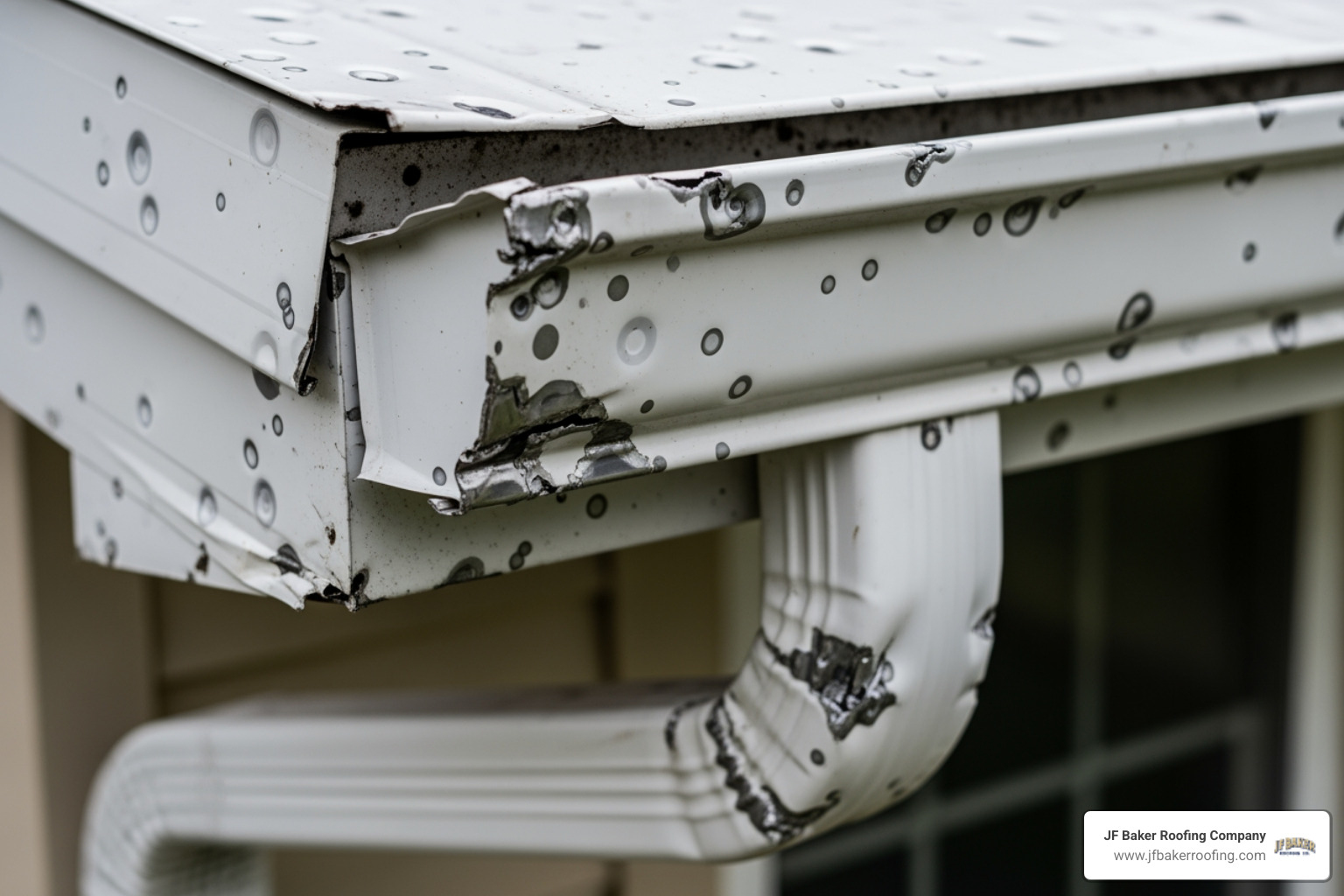
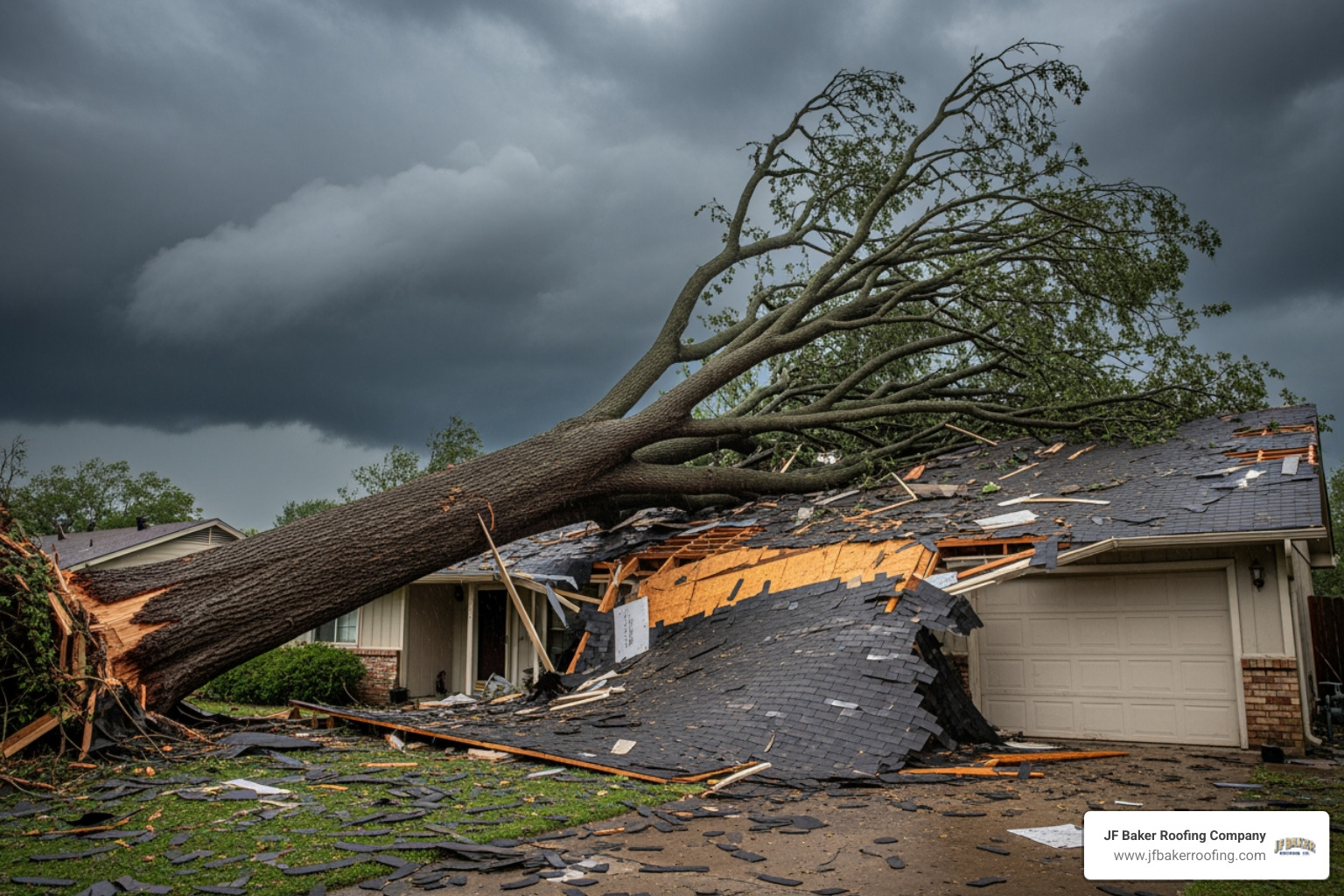
If you want to prevent a minor issue from turning into a major headache, you need to know what warning signs to look for. Regular visual checks of your roof surface, combined with interior checks of your ceilings and attic spaces, are your best line of defense. If you suspect your roof has suffered storm or wind damage, our Roof Damage Repair Guide 2026 can help you navigate the next steps.
Identifying Leaks, Punctures, and Seam Separation
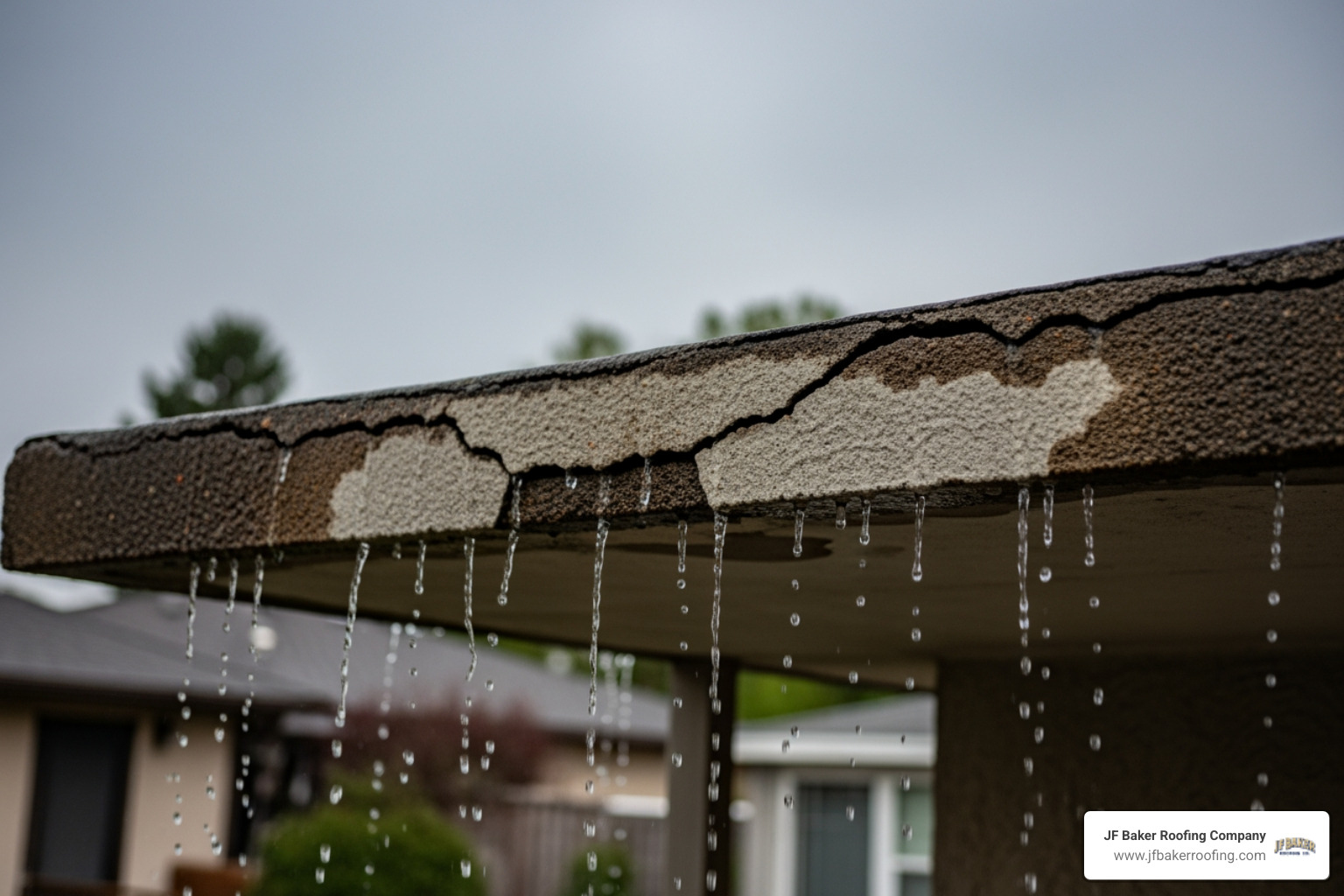
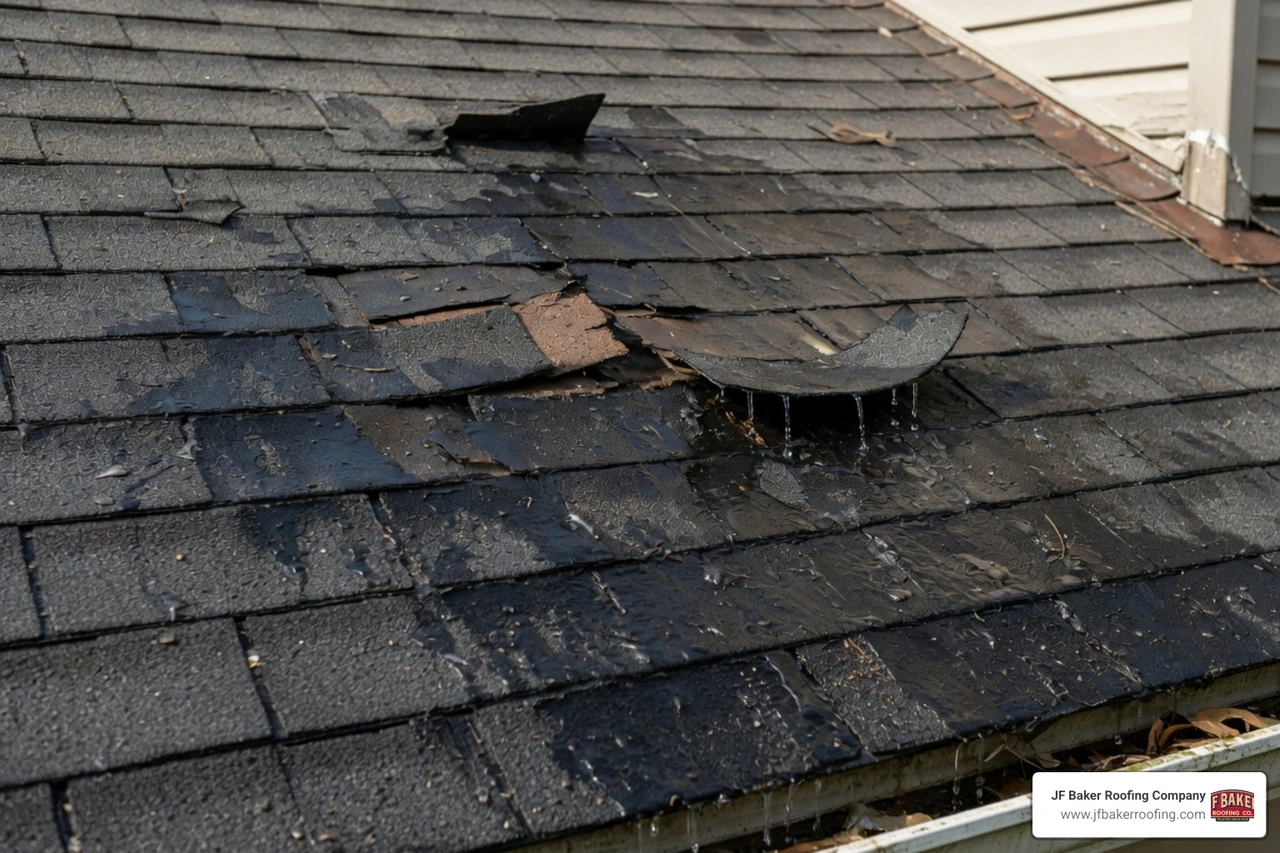
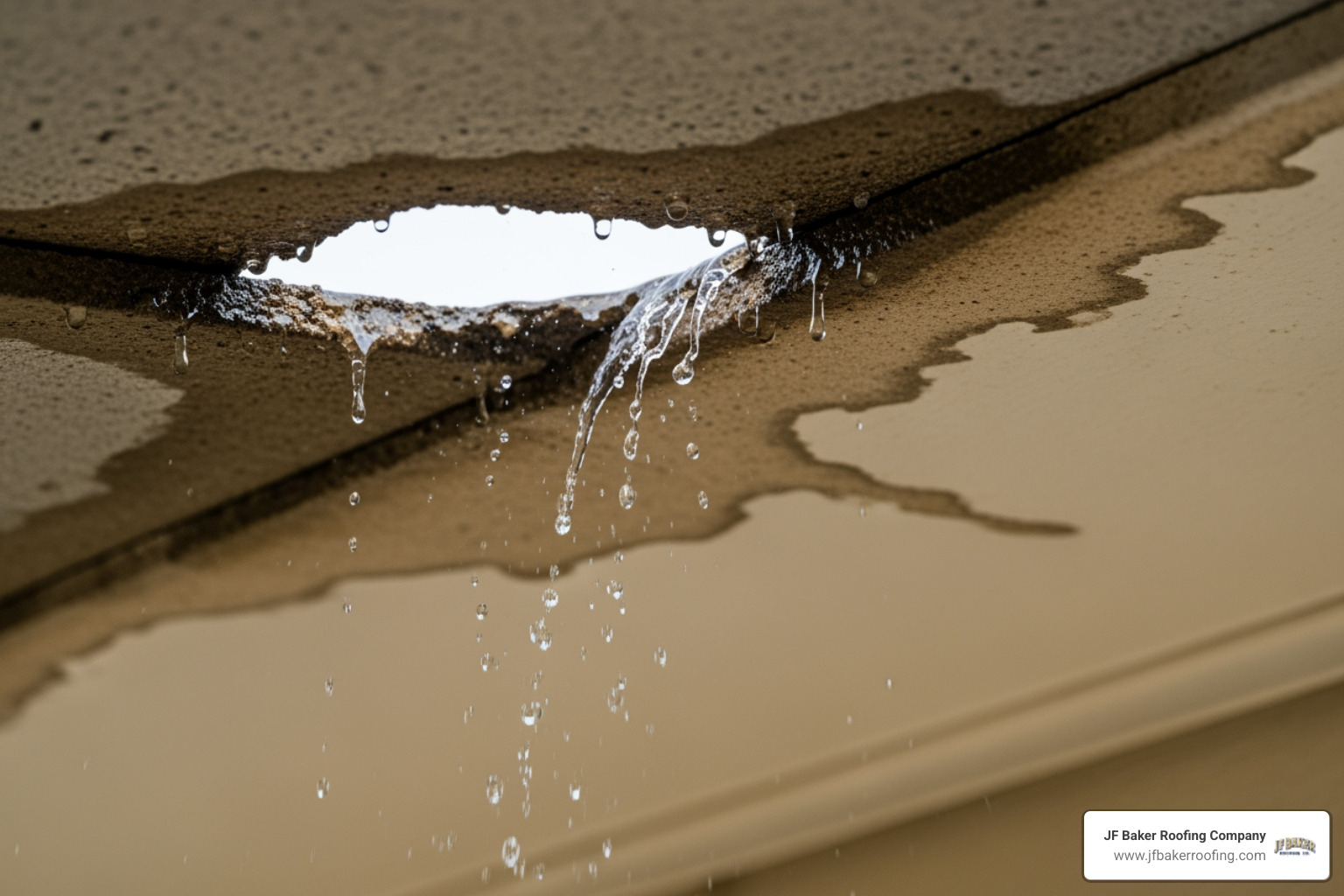
Because flat roofs have very little slope, finding the exact source of a leak can be tricky. Water can seep through a tiny hole in the rubber, run along the underlayment, and drip into your living room several feet away from the actual puncture.
When inspecting your roof, look closely for these common culprits:
- Punctures and Tears: These are often caused by falling tree branches, wind-blown debris, or heavy foot traffic. If you must walk on your roof, always tread carefully, and consider installing thick rubber walkway pads in high-traffic areas.
- Seam Separation: Seams are the most vulnerable part of any rubber roof. Over time, adhesive can fail, causing the overlapping sheets of rubber to peel, lift, or bubble.
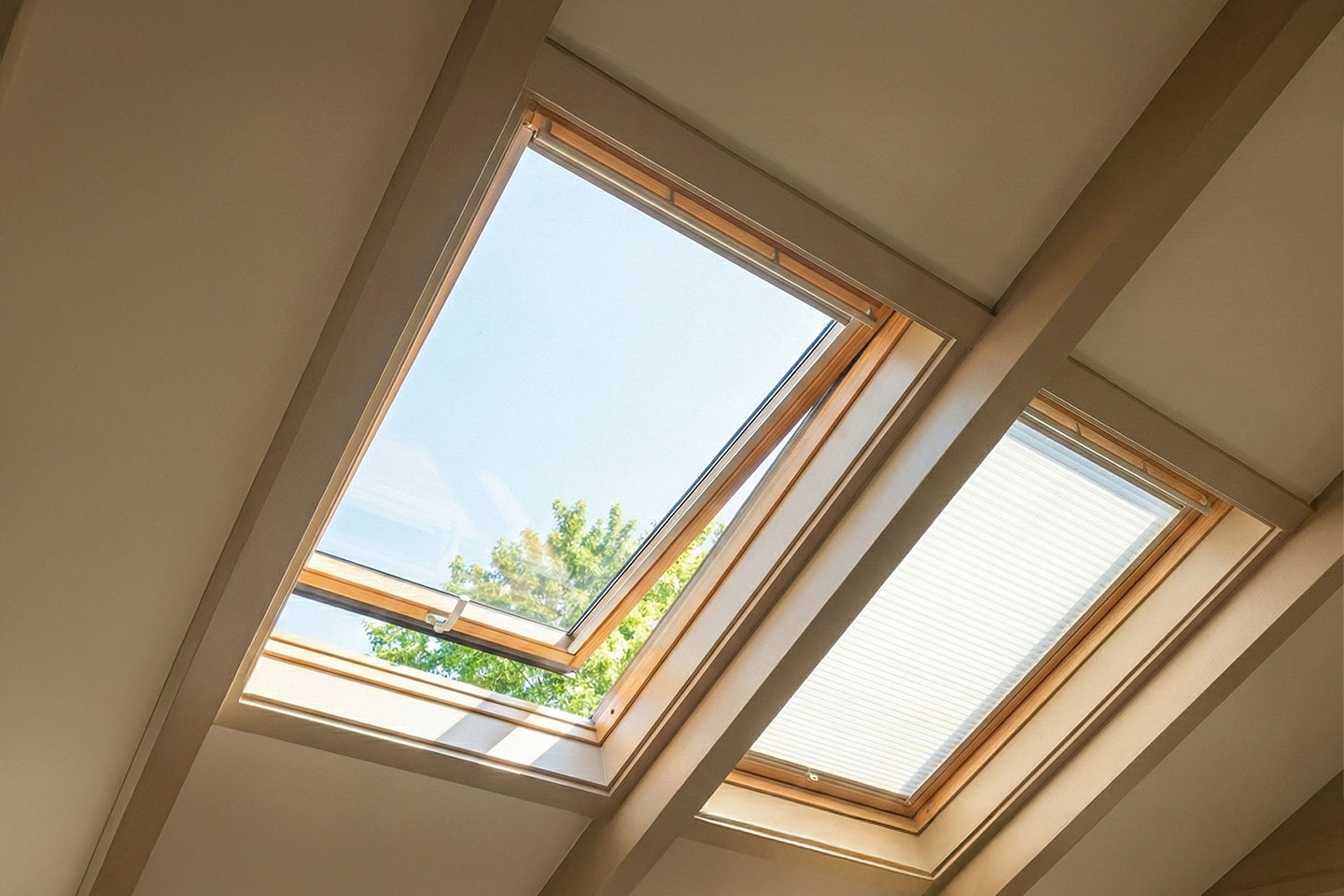
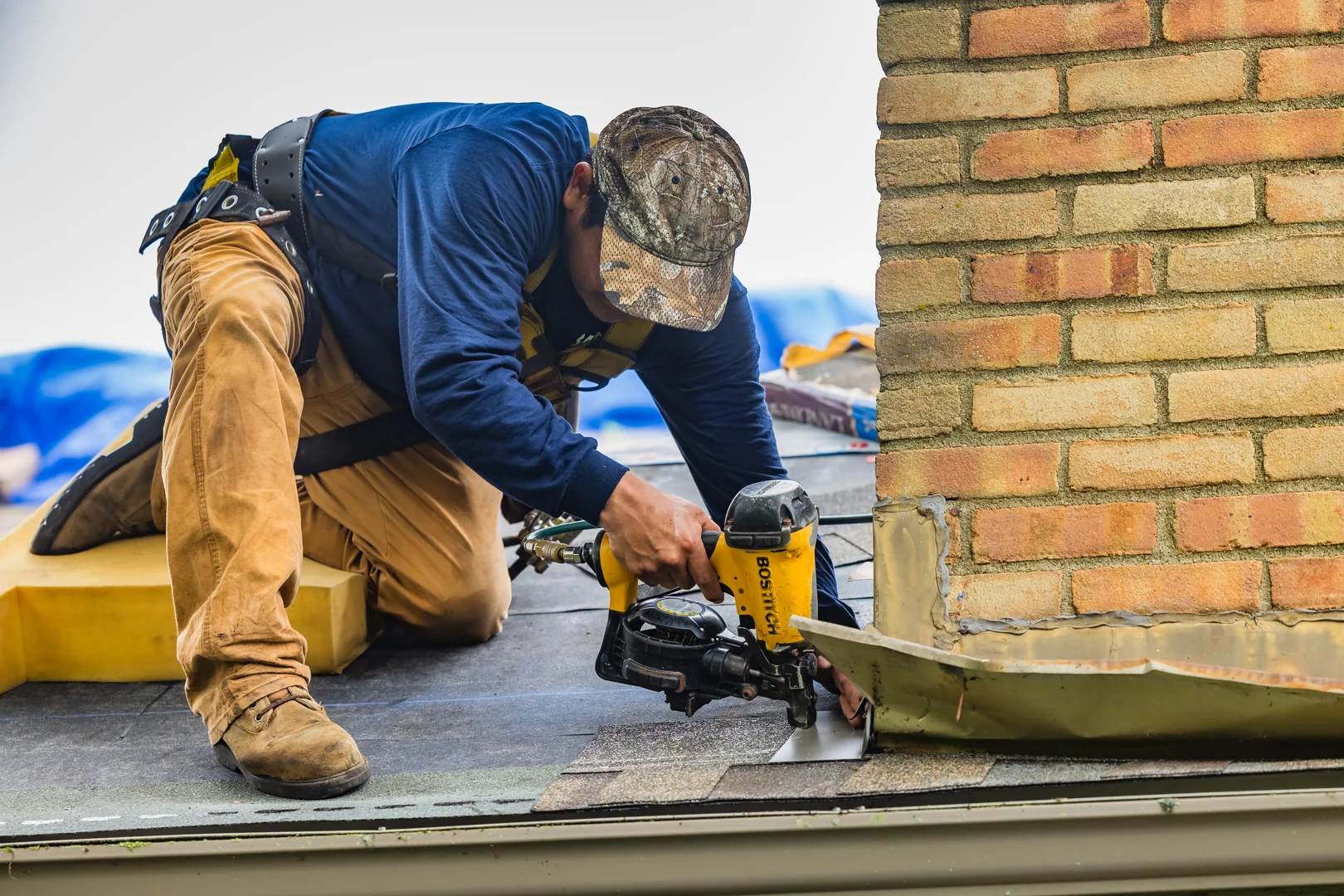
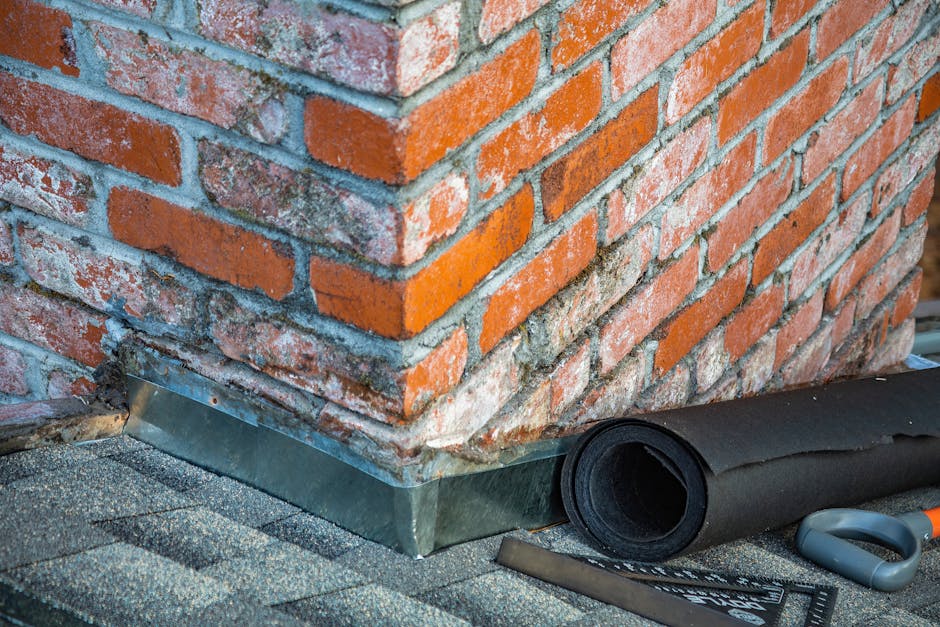
- Flashing Failures: Check the metal flashing around chimneys, vents, skylights, and roof edges. Cracked caulk or loose metal can easily let water slip underneath the membrane.
Managing Ponding Water and Blisters
Ponding water is defined as standing water that remains on a flat roof for more than 48 hours after rain has stopped. Flat roofs are naturally susceptible to ponding due to their low slope, but persistent standing water is a critical issue. It puts immense weight on your roof structure and accelerates the breakdown of adhesives and coatings.
Ponding is usually caused by clogged drains, backed-up gutters, or structural low spots in the roof deck. Keeping your gutters clear is the easiest way to prevent this.
Blisters or bubbles occur when moisture becomes trapped between the wooden roof deck and the rubber membrane. In the hot Ohio summer sun, this trapped moisture expands, stretching the rubber upward. If you discover blisters, do not pop them. Popping a blister creates an immediate leak. Instead, keep an eye on them and have a professional assess whether they need to be cut and patched.
DIY Repairs vs. Professional Intervention
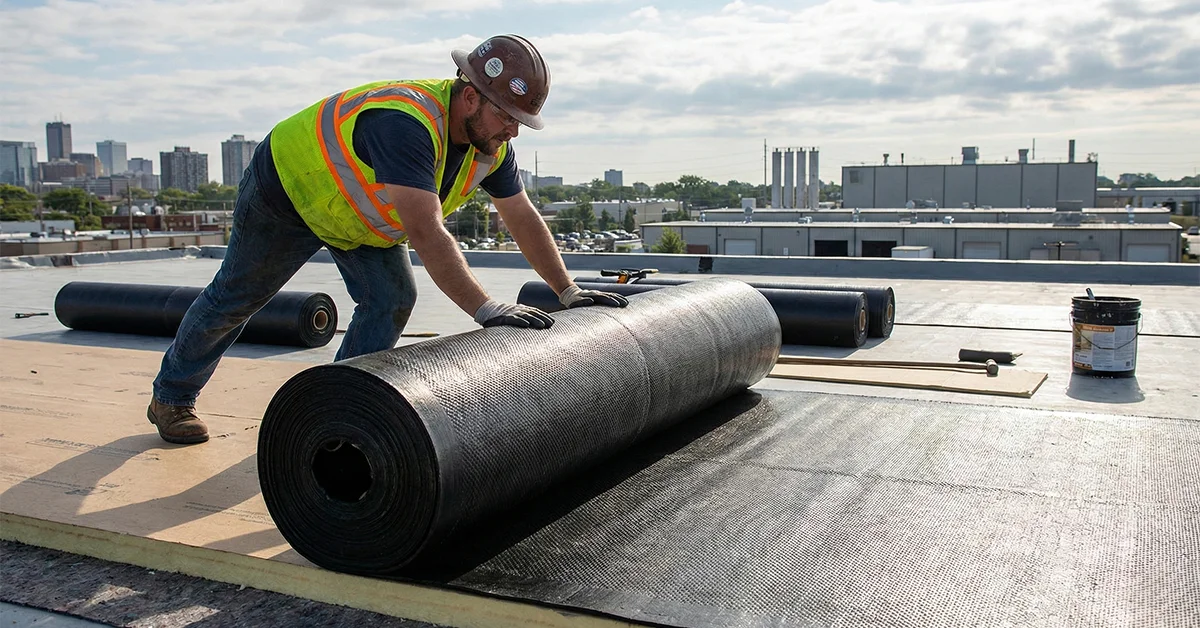
Many minor rubber roof repairs are highly accessible for handy homeowners. However, working on a roof carries inherent safety risks.
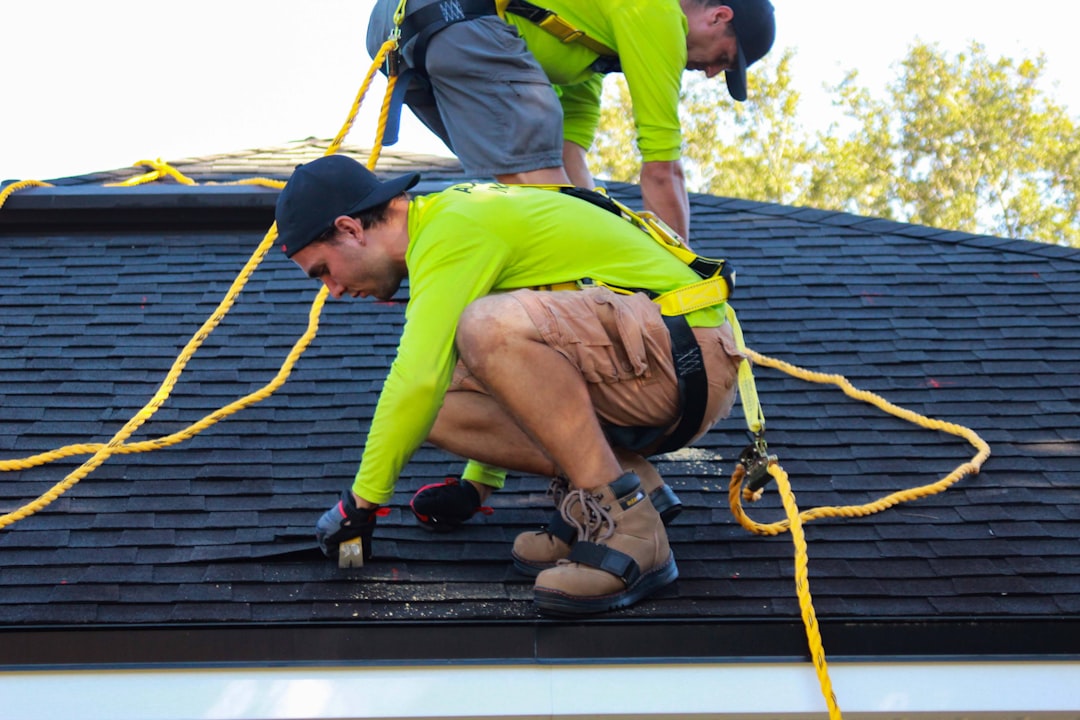
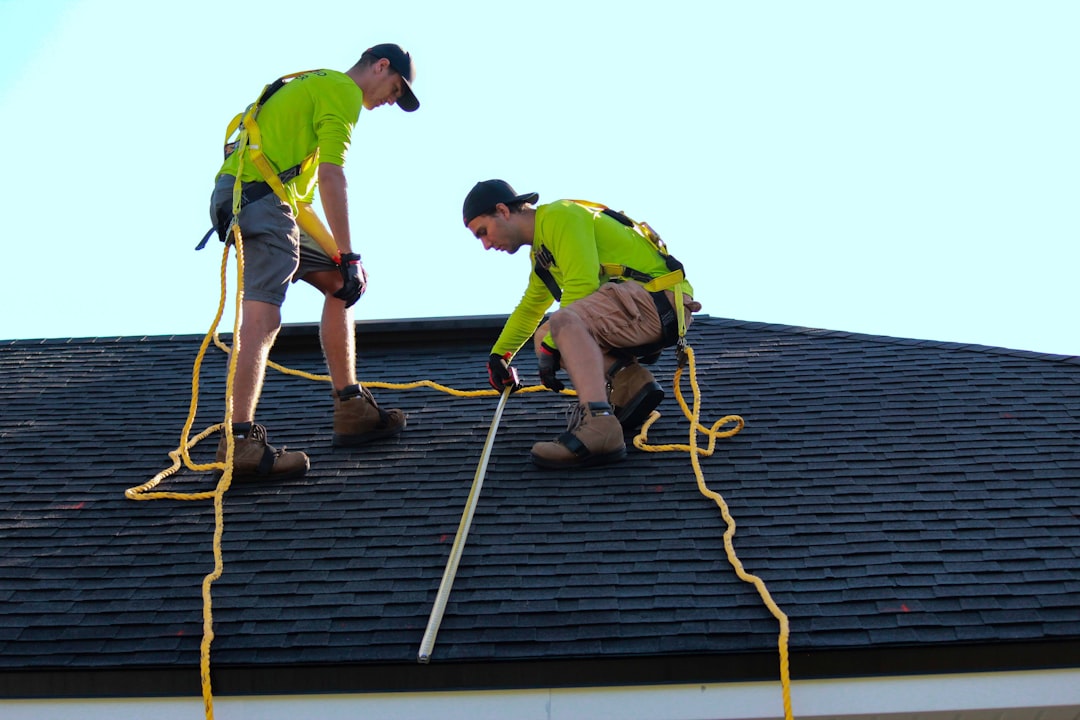
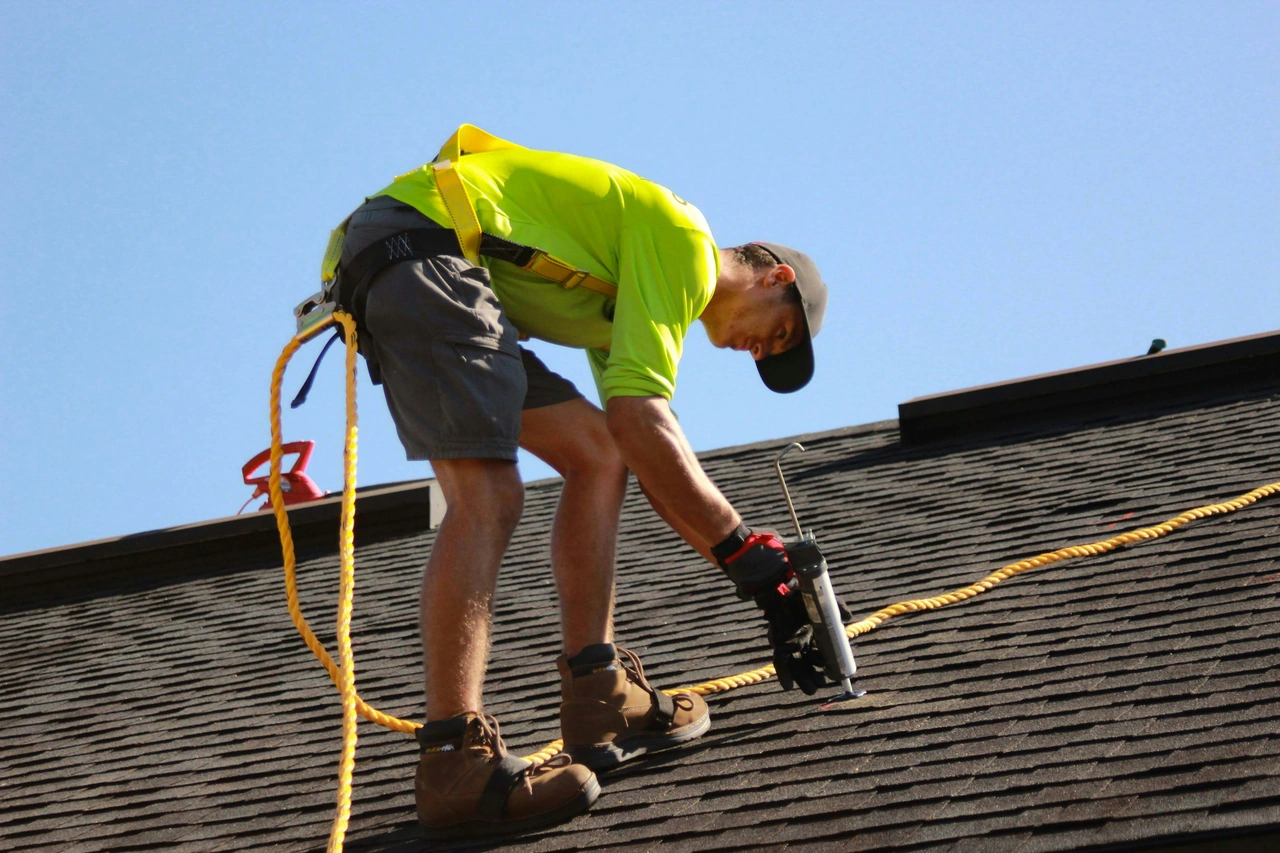
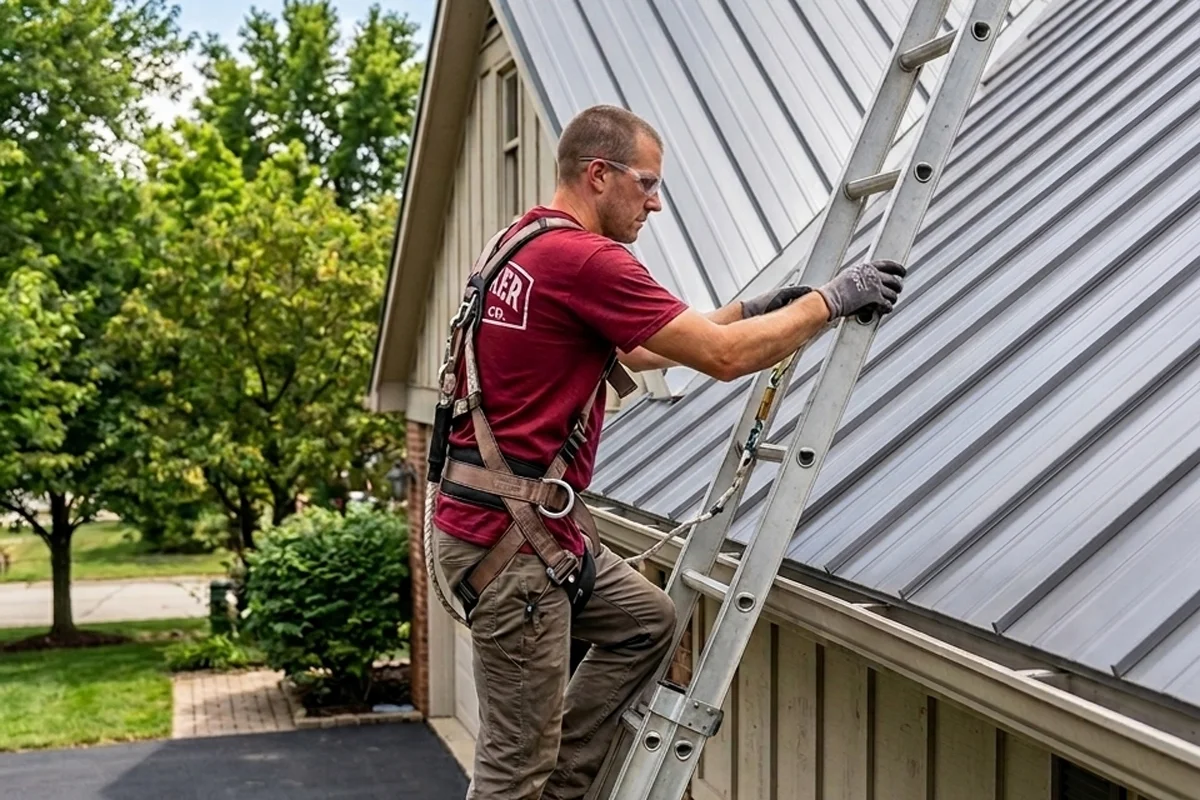
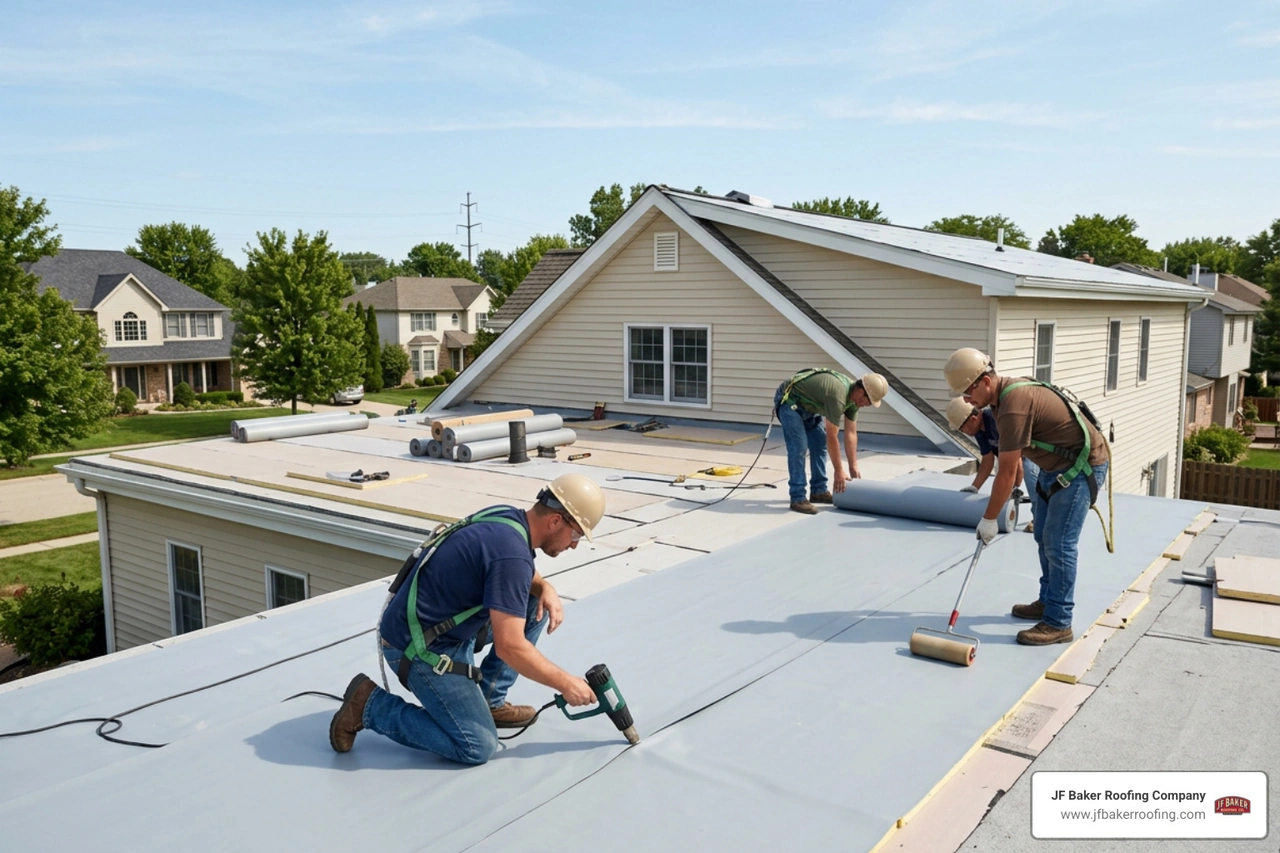
Before you attempt any DIY work, ensure you have a dry, calm day to work. Wet rubber membranes are incredibly slippery. Always work with a partner, use proper ladders, and wear fall protection equipment. If you are dealing with a complex issue, our guide on Rubber Flat Roof Repair offers deeper insights into how professional repairs are executed.
Step-by-Step Guide to Patching a Minor Leak
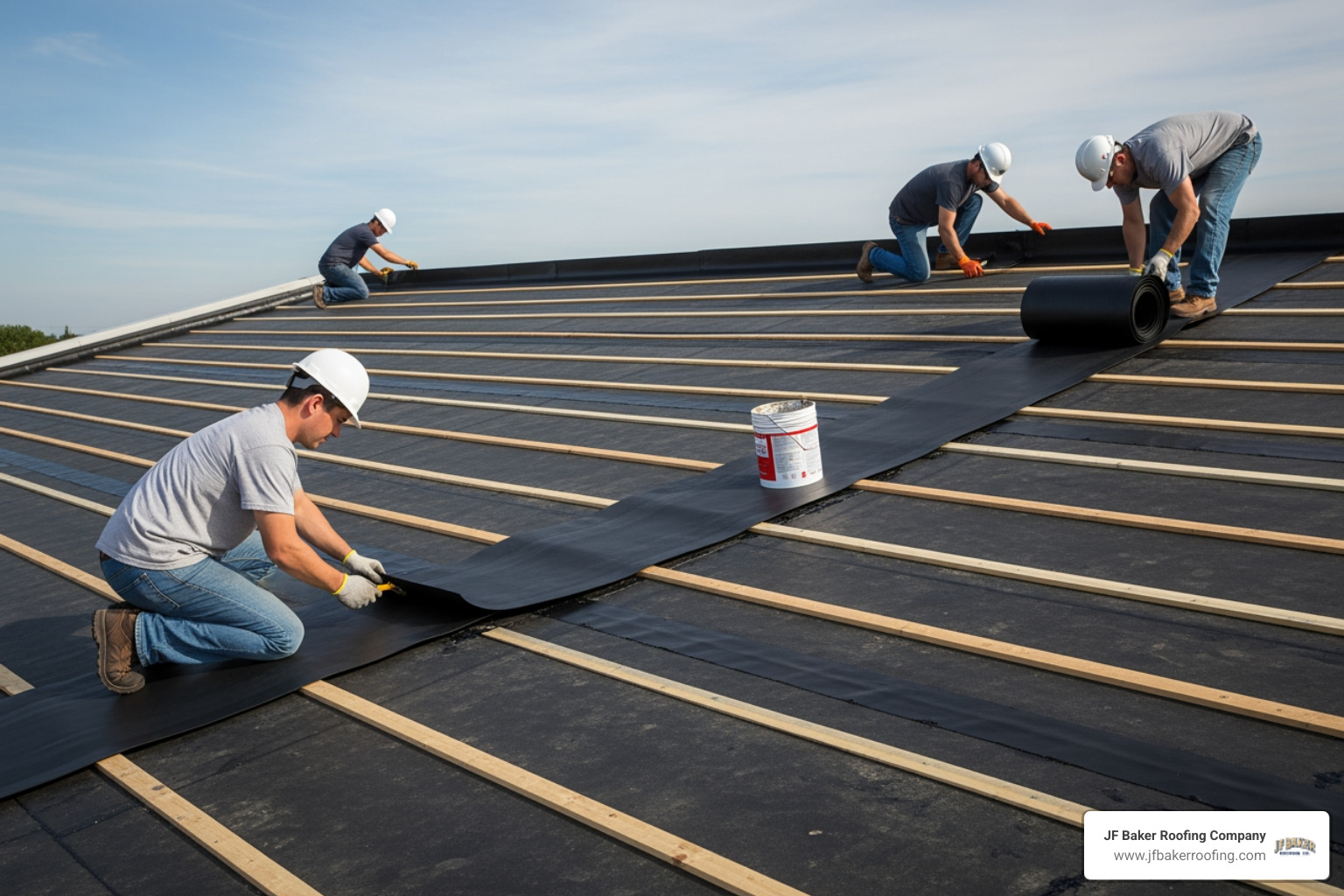
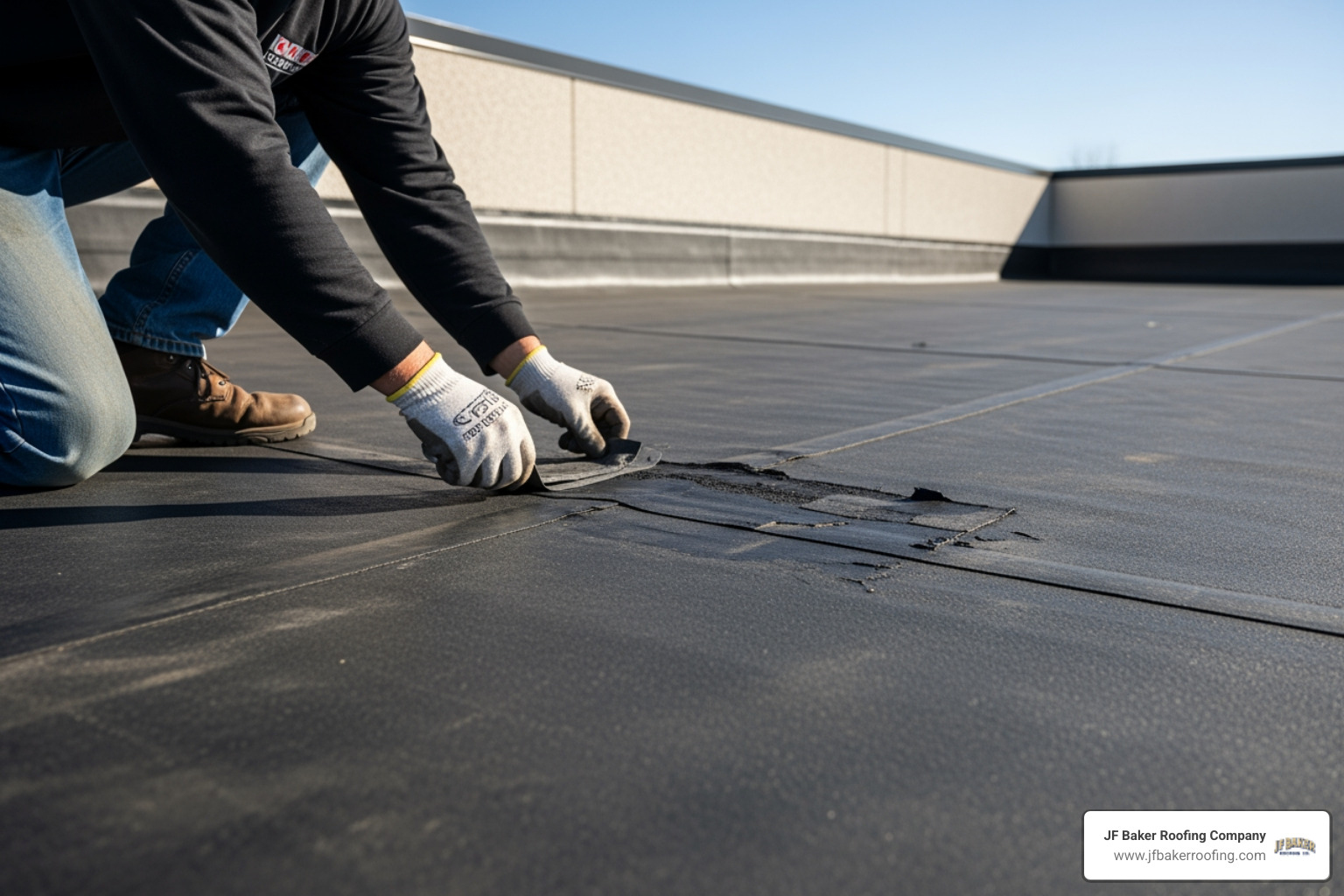
If you have a small puncture or a minor tear in an EPDM roof, you can perform a reliable patch repair using a few basic materials.
For detailed product instructions, you can consult the Liquid RubberFlat and Low Slope Roofs Application Guide2026 or read our breakdown of the Best Flat Roof Patch to find the right materials.
Here is how to patch a minor leak:
- Prepare the Area: Clean the rubber membrane thoroughly around the leak using a specialized EPDM membrane cleaner. The surface must be completely free of dirt, dust, and grease for the adhesive to stick.
- Cut the Patch: Cut a piece of EPDM rubber patch material. Ensure the patch is rounded (no sharp corners) and extends at least 3 to 6 inches beyond the damaged area in all directions.
- Apply Primer/Adhesive: Apply a thin, even layer of rubber-to-rubber contact cement or EPDM primer to both the patch and the roof surface. Let it dry for about 10 minutes until it feels tacky but does not stick to your finger.
- Press and Roll: Carefully lay the patch over the damaged area. Press down firmly from the center outward to push out any trapped air bubbles. Use a hand roller to seal the patch securely.
- Seal the Edges: Apply a generous bead of specialized lap sealant around the entire perimeter of the patch to prevent water from lifting the edges.
When to Call a Professional for Rubber Roof Care
While a single, small patch is a great DIY project, there are times when you should put down the caulk gun and call in a professional roofing team.
You should call us if you experience:
- Multiple Active Leaks: If water is coming into your home in several different places, the membrane may have reached the end of its useful life.
- Structural Wood Rot: If the roof feels soft, bouncy, or spongy when you walk on it, water has rotted the plywood decking underneath. The wood must be replaced before a new membrane can be applied.
- Extensive Seam Failure: If long sections of your roof seams are peeling apart, a simple patch will not suffice.
- Warranty Concerns: If your roof is still under warranty, performing DIY repairs may void your coverage.
If you own a business or commercial property in Columbus, we highly recommend working with an experienced Commercial Roofing Contractor Columbus to handle these complex repairs safely and professionally.
Coatings, Sealants, and Long-Term Protection
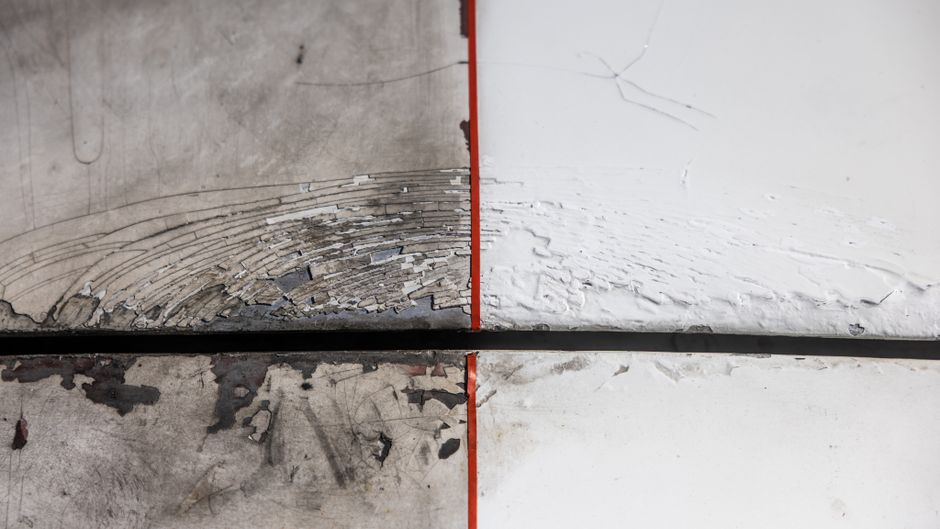
Applying a protective coating is one of the most cost-effective ways to extend the life of an aging rubber roof. Think of it as sunscreen for your home. UV rays break down the polymer chains in rubber over time, leading to chalking and cracking. A reflective coating blocks these rays and can dramatically lower your summer cooling costs by reducing solar heat absorption.
Choosing the Right Coating for House Rubber Roof Maintenance
Not all coatings are created equal. Choosing the right product depends on your roof's material, age, and slope.
- Silicone Coatings: These are the gold standard for flat roofs. Silicone is highly durable, UV-resistant, and, most importantly, it can withstand ponding water without breaking down.
- Acrylic Coatings: These are highly reflective and cost-effective, but they are not suitable for roofs with ponding water issues. Acrylic coatings will eventually dissolve if left submerged under standing water.
- EPDM Liquid Rubber: This product chemically bonds with your existing EPDM membrane, essentially creating a seamless, brand-new layer of rubber over your old roof.
EPDM and TPO membranes almost always require a specialized primer before you apply a topcoat. Skipping the primer will cause the coating to peel off in sheets. For a deeper dive into whether you should coat your roof, read our Do You Put Anything On Rubber Roof On The House? Expert Guide to Rubber Roof Care and Coatings.
Frequently Asked Questions About Rubber Roofs
We hear a lot of the same questions from homeowners in Central Ohio. Here are some quick answers to help you keep your roof in great shape.
How often should a rubber roof be cleaned?
Generally, you should clean your rubber roof about four times a year. While twice-yearly inspections are enough, washing the roof seasonally removes organic debris, bird droppings, and airborne pollutants that can slowly degrade the membrane over time.
Can I use a pressure washer on my rubber roof?
Yes, but you must be extremely careful. Keep the pressure setting low (under 1,500 PSI), use a wide spray pattern, and stand several feet back. Never spray water directly at seams, flashing, or penetrations, as the high pressure can easily tear the membrane or force water underneath the sheets.
What causes rubber roof membrane shrinkage?
Shrinkage is a natural part of the aging process for EPDM rubber. It is caused by decades of UV exposure, extreme thermal cycling (hot summers and freezing winters), and the gradual loss of plasticizers in the rubber. Regular cleaning and applying a UV-resistant coating can significantly slow down this process.
Conclusion
Succeeding at house rubber roof maintenance is all about consistency. By performing simple bi-annual inspections, cleaning your roof with safe household soaps, and addressing small seam separations before they turn into major leaks, you can easily help your flat roof reach its full 30-year potential.
At JF Baker Roofing, we have been serving the Central Ohio community since 1929. Led by third-generation owners Chad and Pat Baker, we are built on integrity and proven by performance. Whether you live in Columbus, Upper Arlington, Dublin, Westerville, or any of our surrounding neighborhoods, we stand behind every roof we install. We believe in providing honest assessments and transparent pricing with absolutely no high-pressure sales tactics.
If you need help inspecting, repairing, or restoring your flat rubber roof, let our reputation be your security. Explore our residential roofing services or reach out to us today for honest, neighborly advice.












.jpeg)