How to Find Local Roof Flashing Repair in Central Ohio

Find Reliable Roof Flashing Repair in Central Ohio
For roof flashing repair Central Ohio homeowners and business owners can trust, start with a local roofer who can inspect the leak source, check the flashing around chimneys, vents, walls, and valleys, and explain whether targeted repair or replacement is needed. Ask for proof of insurance, written scope details, material recommendations, and a clear estimate before work begins.
Flashing is the metal barrier that directs water away from vulnerable roof joints. In Central Ohio, heavy rain, wind, snow, ice, and freeze-thaw cycles can loosen sealant, corrode metal, and open small gaps that lead to leaks. Addressing damage early helps protect decking, insulation, ceilings, and interior finishes.
JF Baker Roofing has served Central Ohio since 1929. Led by third-generation owners Chad and Pat Baker, we provide honest assessments, transparent pricing, clean job sites, clear communication, and no high-pressure sales tactics. As a CertainTeed ShingleMaster Preferred Contractor, NRCA member, and BBB Accredited Business with an A+ rating, we recommend repairs when possible and replacement only when it is genuinely needed.
I’m Chad M. Baker, and this guide will help you spot flashing problems and choose the right local professional for the job.
Important roof flashing repair Central Ohio terms:
Understanding the Need for Roof Flashing Repair Central Ohio Homeowners Trust
Think of roof flashing as your home’s raincoat. While shingles cover the broad expanses of your roof deck, they cannot completely seal the junctions where different planes meet or where vertical structures penetrate the roofline. That is where thin pieces of weather-resistant sheet metal step in. Flashing bridges these gaps, acting as an impervious drainage channel that routes water safely down toward your gutters.
Residential and commercial roofs throughout Columbus, Dublin, Upper Arlington, and Delaware rely on various metals to safeguard these structural junctions:
- Galvanized Steel: Durable and economical, often coated with zinc to resist moisture corrosion.
- Aluminum: Lightweight, rust-proof, and easy to bend around custom roof profiles and sidewalls.
- Copper: Highly durable, naturally corrosion-resistant, and commonly chosen for historical homes or custom architectural transitions around stone chimneys and bay windows.
Flashing protects the most vulnerable roof zones, including the valleys where two slopes intersect, vertical sidewalls against dormers, plumbing vent pipes, and skylights. Over time, UV exposure, settling, and weather break down the flashing sealant applied along seams and fasteners. When this barrier fails, water sneaks under the shingles, wetting the attic, damaging insulation, and degrading interior drywall. Maintaining your metal flashing protects structural framing, lowers the frequency of premature shingle replacements, and preserves your home’s curb appeal.
How Severe Weather Drives Roof Flashing Repair Central Ohio Demands
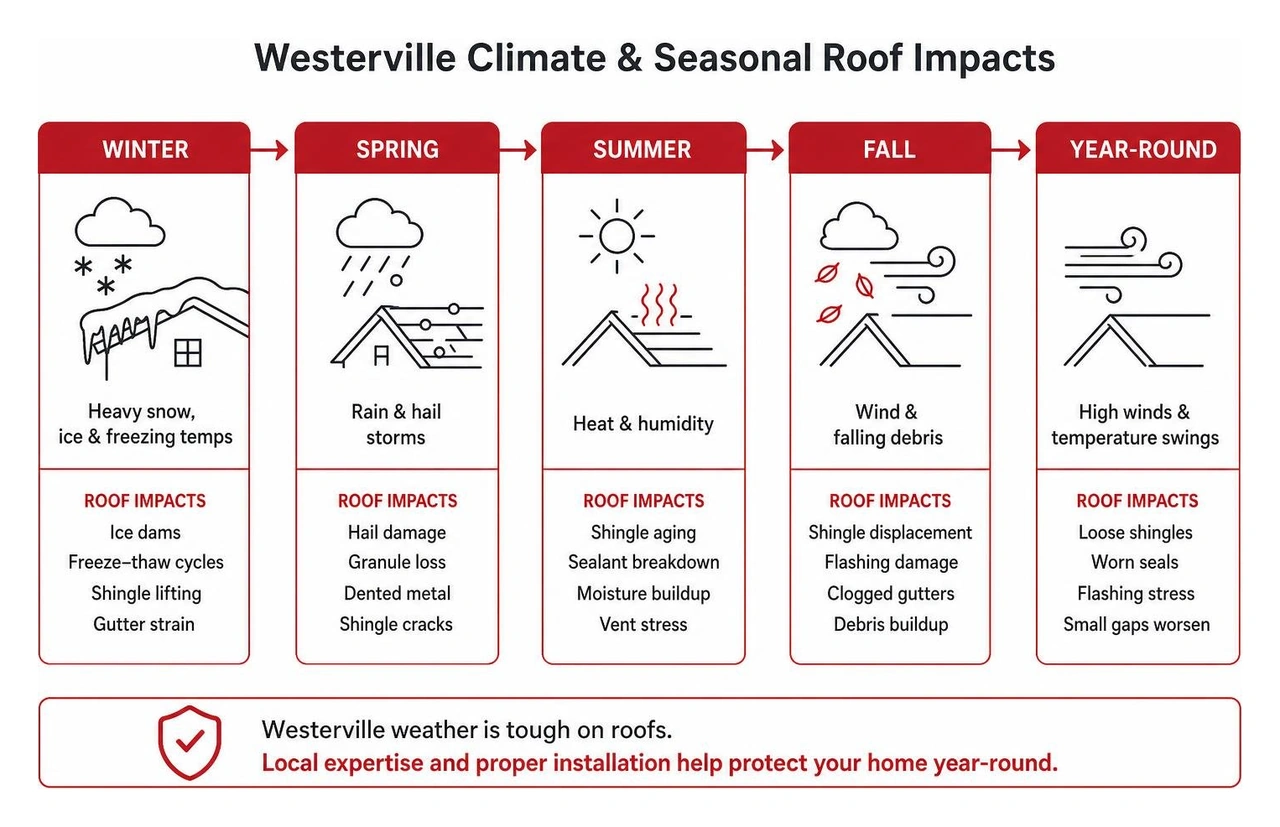
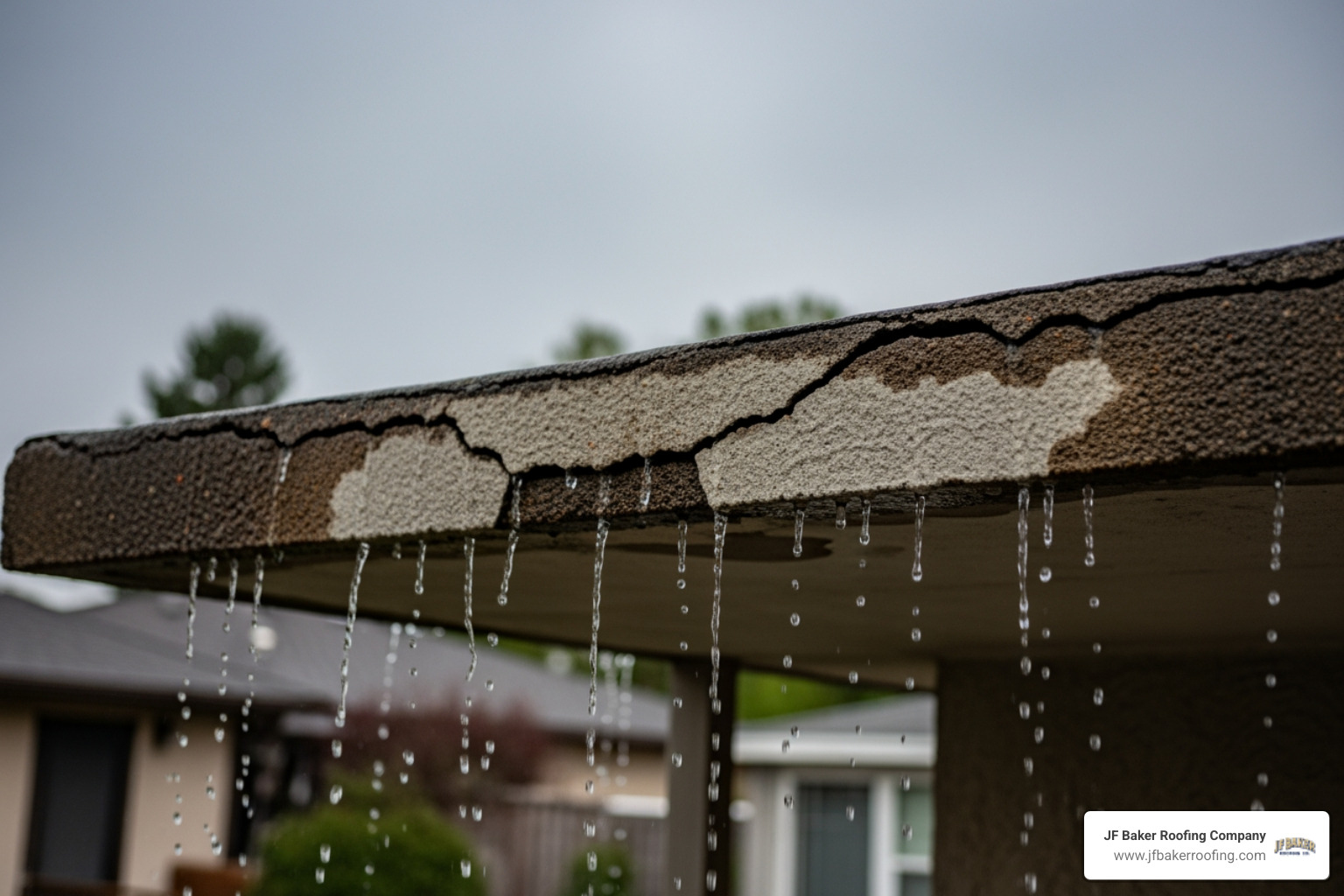
Central Ohio sees significant precipitation every year, with Columbus averaging roughly 44 inches of rainfall annually. That steady downpour puts constant hydrostatic pressure on every roof joint. However, rain is only one part of the challenge.
Our regional climate brings intense seasonal swings:
- Freeze-Thaw Cycles: Water seeps into microscopic voids along flashing joints during mild winter afternoons. When temperatures drop overnight, that trapped water freezes and expands, bending metal strips, popping mechanical fasteners, and tearing sealants apart.
- Ice Dams and Snow Loads: Winter snow accumulation along eaves and behind chimneys creates standing meltwater pools that back up underneath shingles, testing step flashing and counter flashing.
- Wind Uplift and Thermal Expansion: Summer heat waves cause metal to expand, while severe thunderstorms bring wind gusts that catch loosened metal edges, prying them away from decking and brickwork.
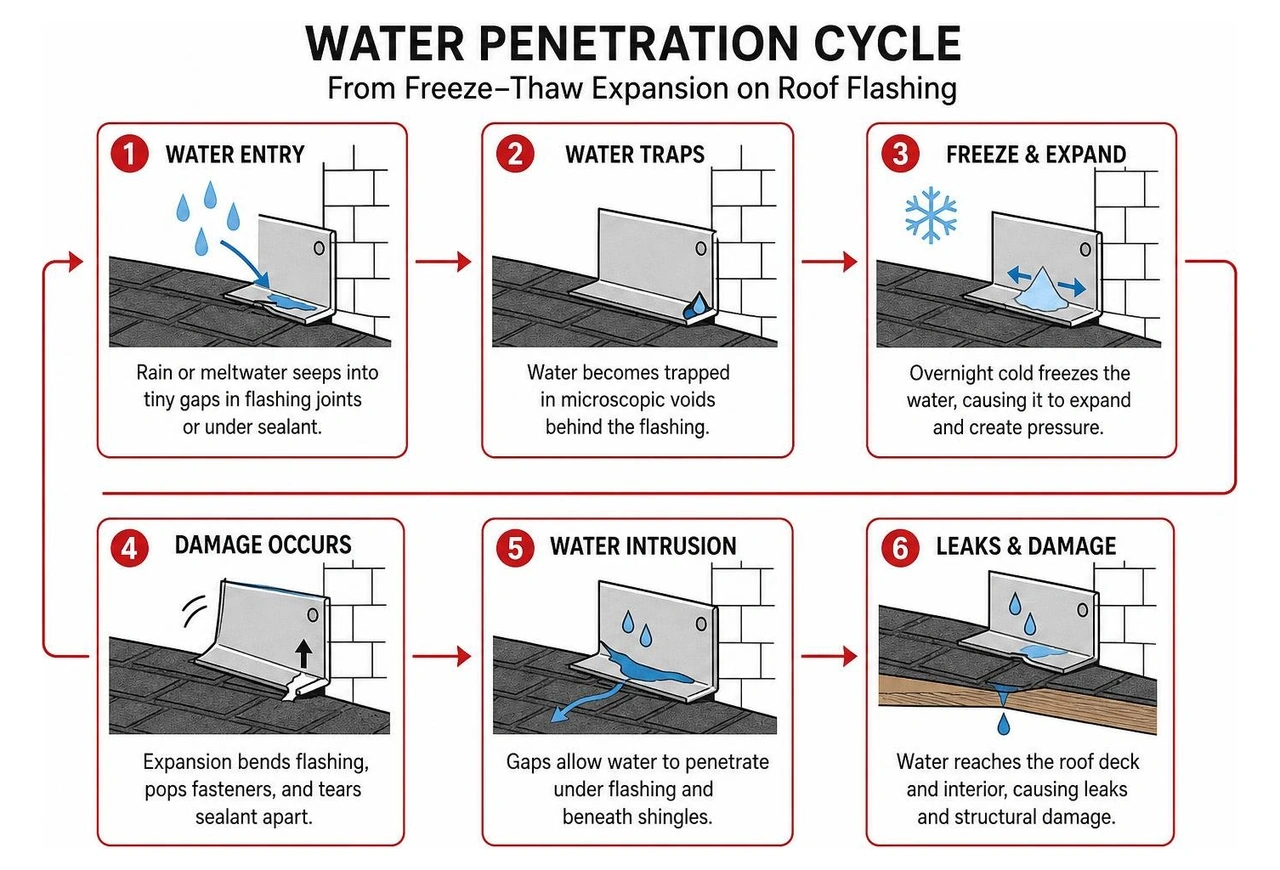
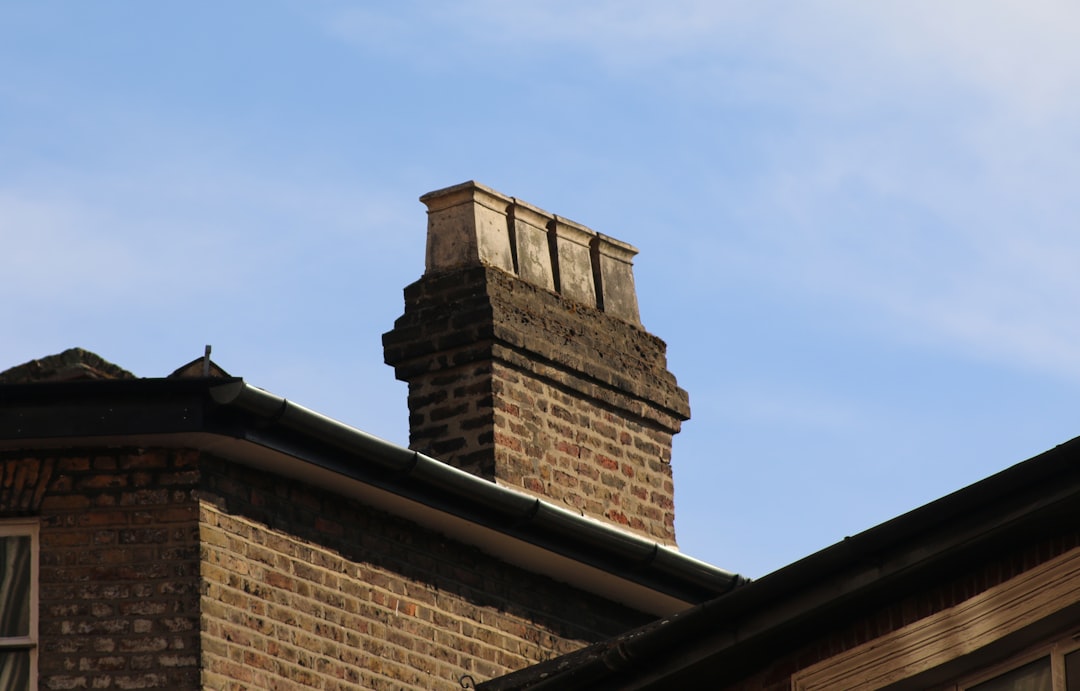
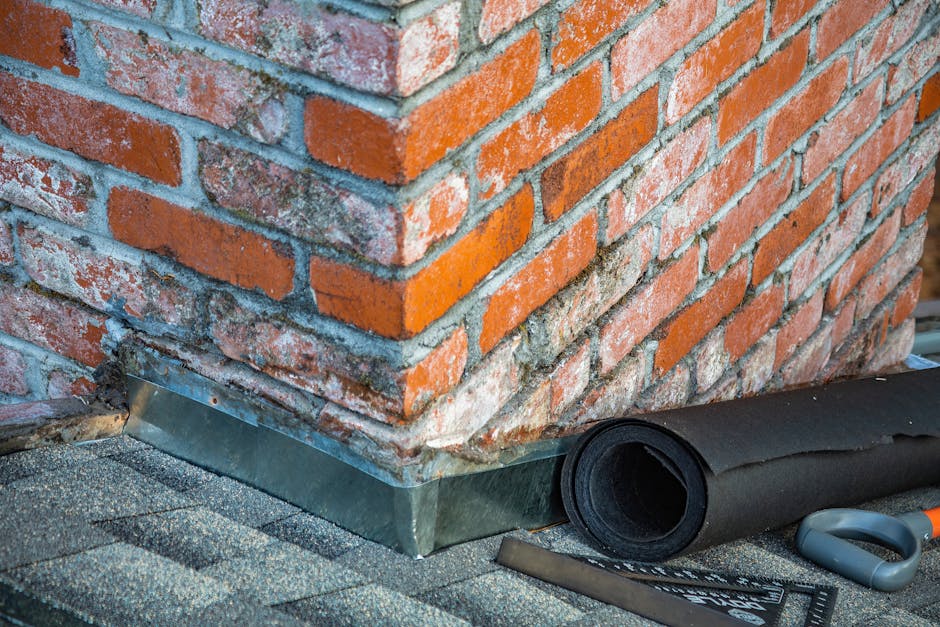
Masonry chimneys are especially vulnerable because bricks and mortar absorb water over time. When water works behind masonry joints, performing a timely chimney flashing leak repair prevents extensive chimney rebuilding and stops leaks from rotting the subfloor beneath the fireplace hearth.
Hidden Risks of Postponing Flashing Maintenance
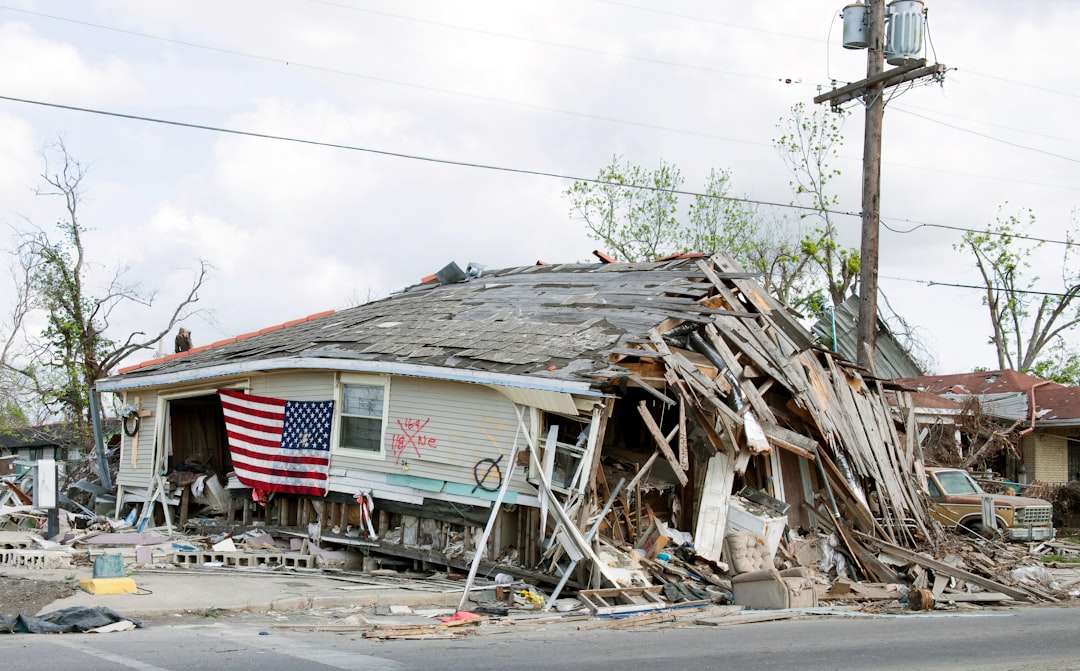
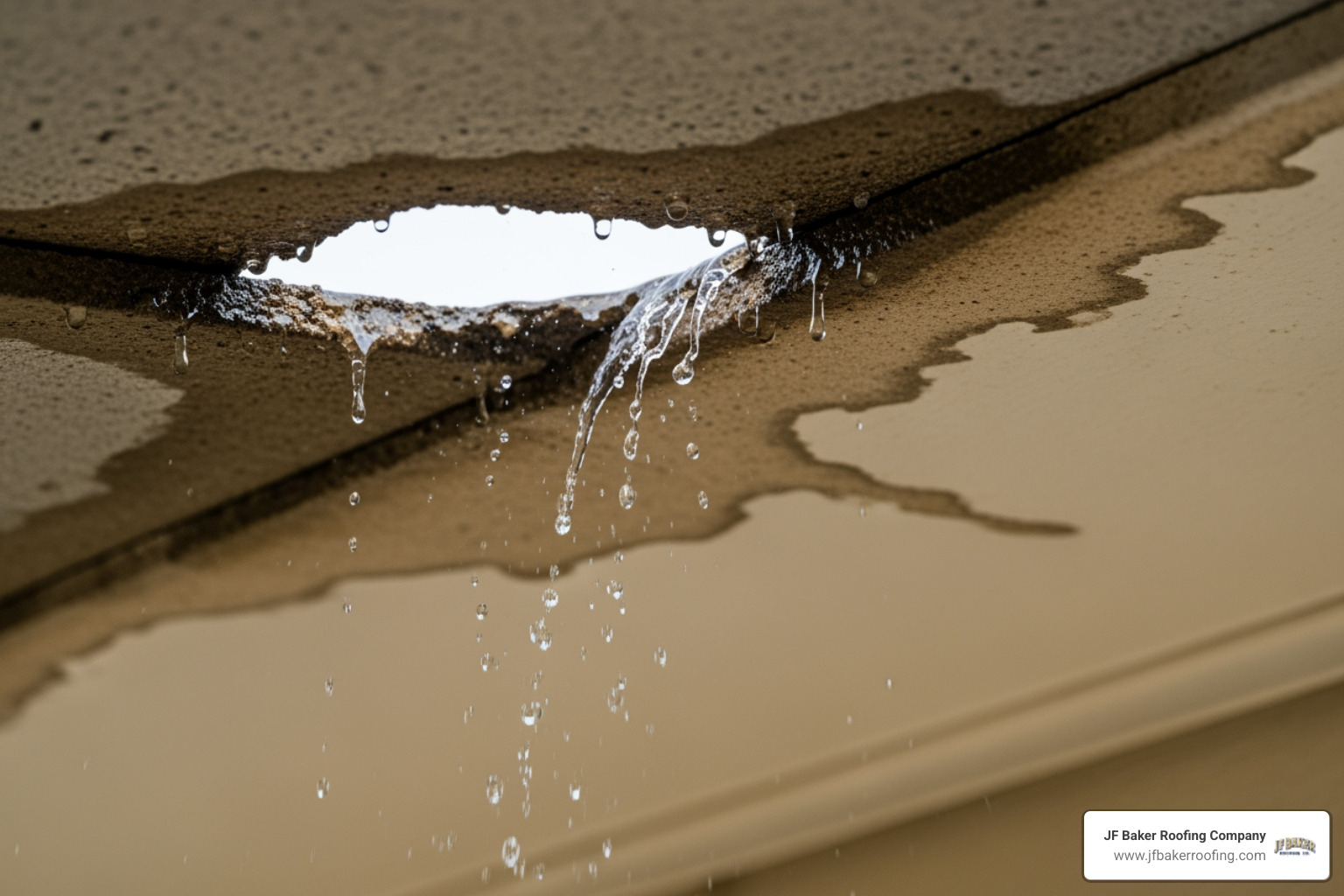
A minor leak around a vent pipe or dormer wall rarely stays small. Because flashing sits above critical structural framing, even minor water infiltration can cause serious interior damage before you ever spot a damp spot on your living room ceiling.
Delaying necessary flashing maintenance can lead to:
- Wood Rot in Roof Decking: Continuous moisture softens plywood or OSB decking, creating soft spots and compromising the roof’s structural stability.
- Attic Mold and Mildew: Trapped dampness in unventilated attic spaces encourages mold colonization within 24 to 48 hours, degrading indoor air quality.
- Compromised Thermal Insulation: Soaked fiberglass or cellulose insulation loses its R-value, raising monthly heating and cooling bills by creating thermal drafts.
- Drywall Deterioration: Water travels along rafters until it settles above drywall, resulting in stained ceilings, peeling paint, and falling plaster.
- Costly Structural Remediation: What could have been a straightforward, localized metal repair can escalate into extensive carpentry work, dry-rot removal, and early roof replacement.
Signs Your Roof Requires Professional Flashing Service
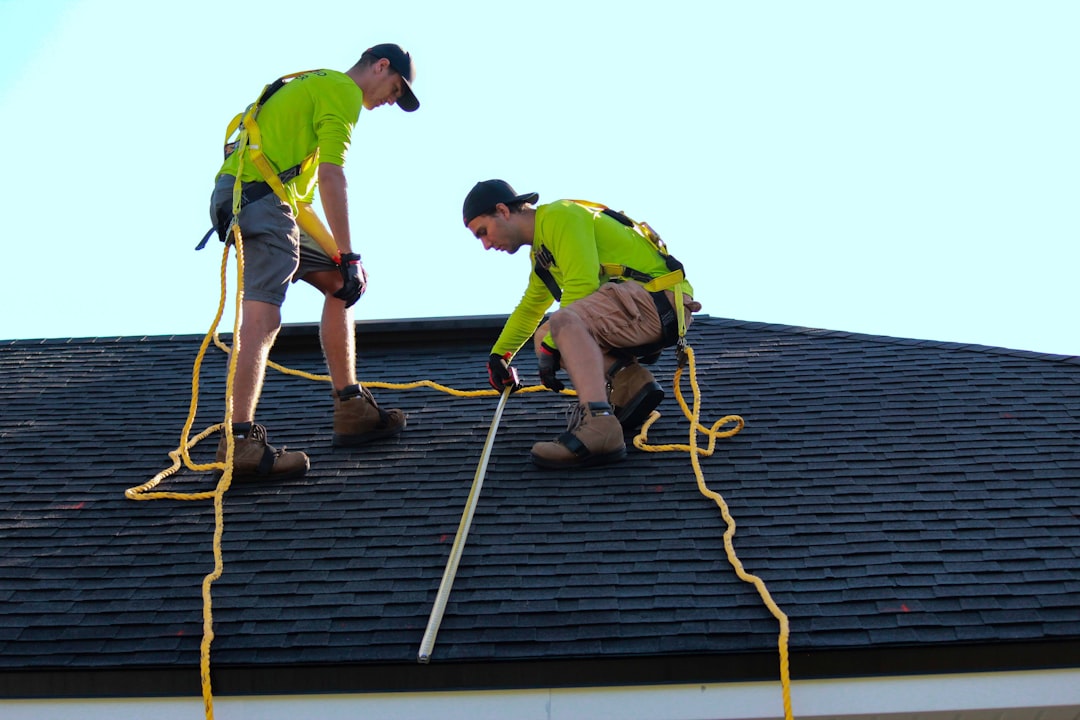
Spotting flashing issues early allows you to address problem areas before water damages the building structure. While climbing onto a steep or wet roof is dangerous, homeowners can spot many red flags from the ground with binoculars or during a basic attic walk-through after a rainstorm.
Check for these visual warning signs:
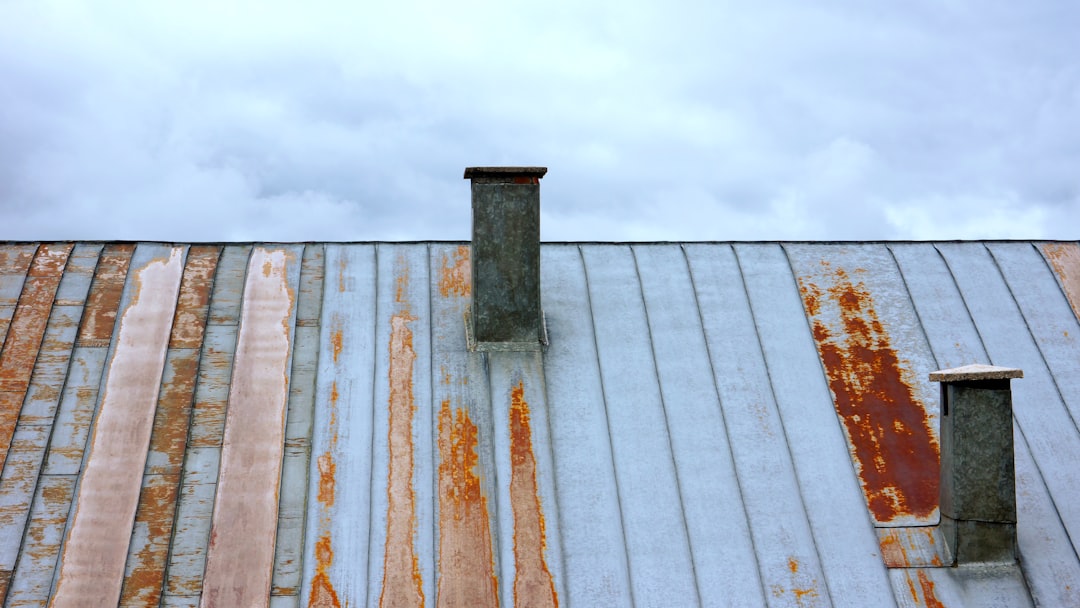
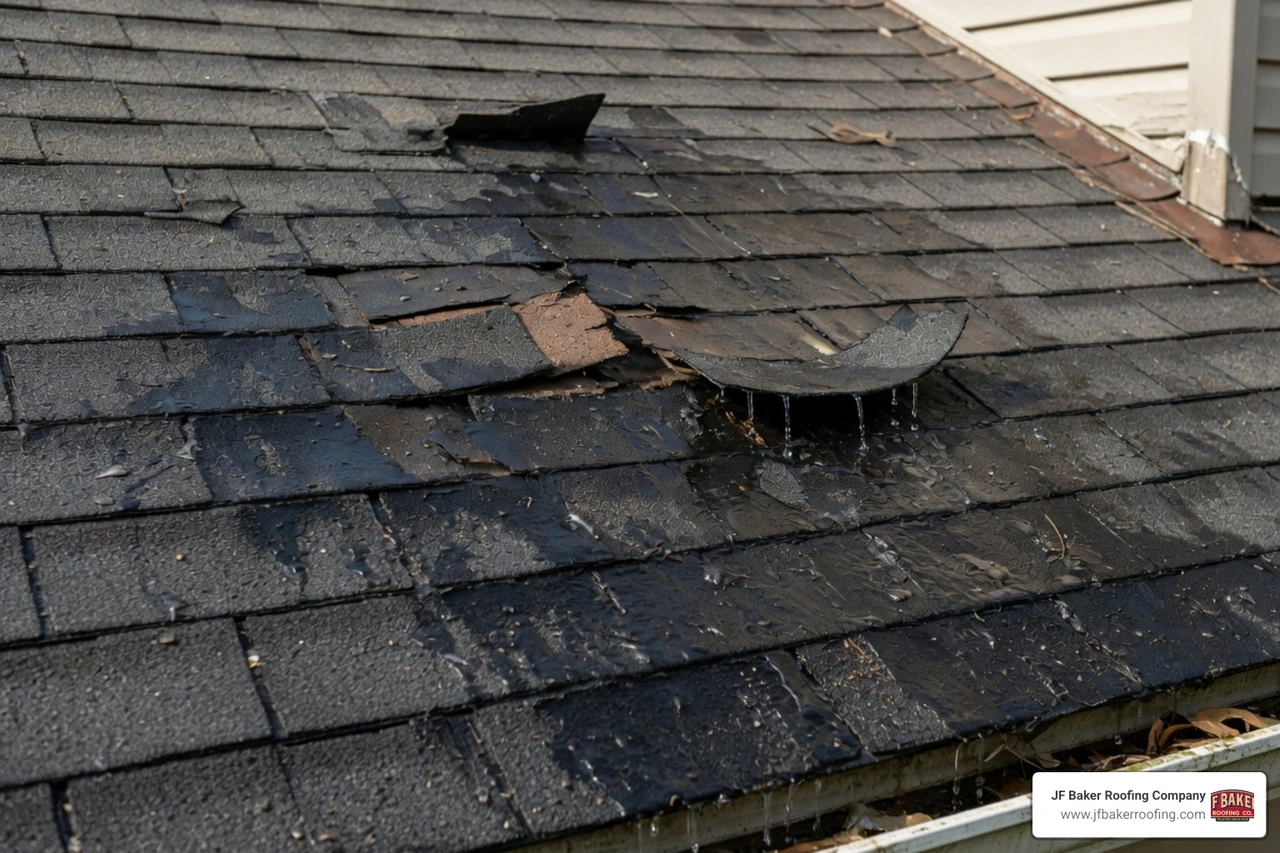
- Rusted or Corroded Metal: Rust spots, pitting, or green oxidation along galvanized steel or aluminum strips indicate the protective coating has broken down.
- Cracked or Missing Caulk: Hardened, peeling, or missing sealant along joints leaves open pathways for moisture. For detailed insights on sealant lifespans, review our roof flashing sealant guide 2026.
- Loose, Lifted, or Missing Fasteners: Nails that back out due to thermal movement leave open holes right through the metal base.
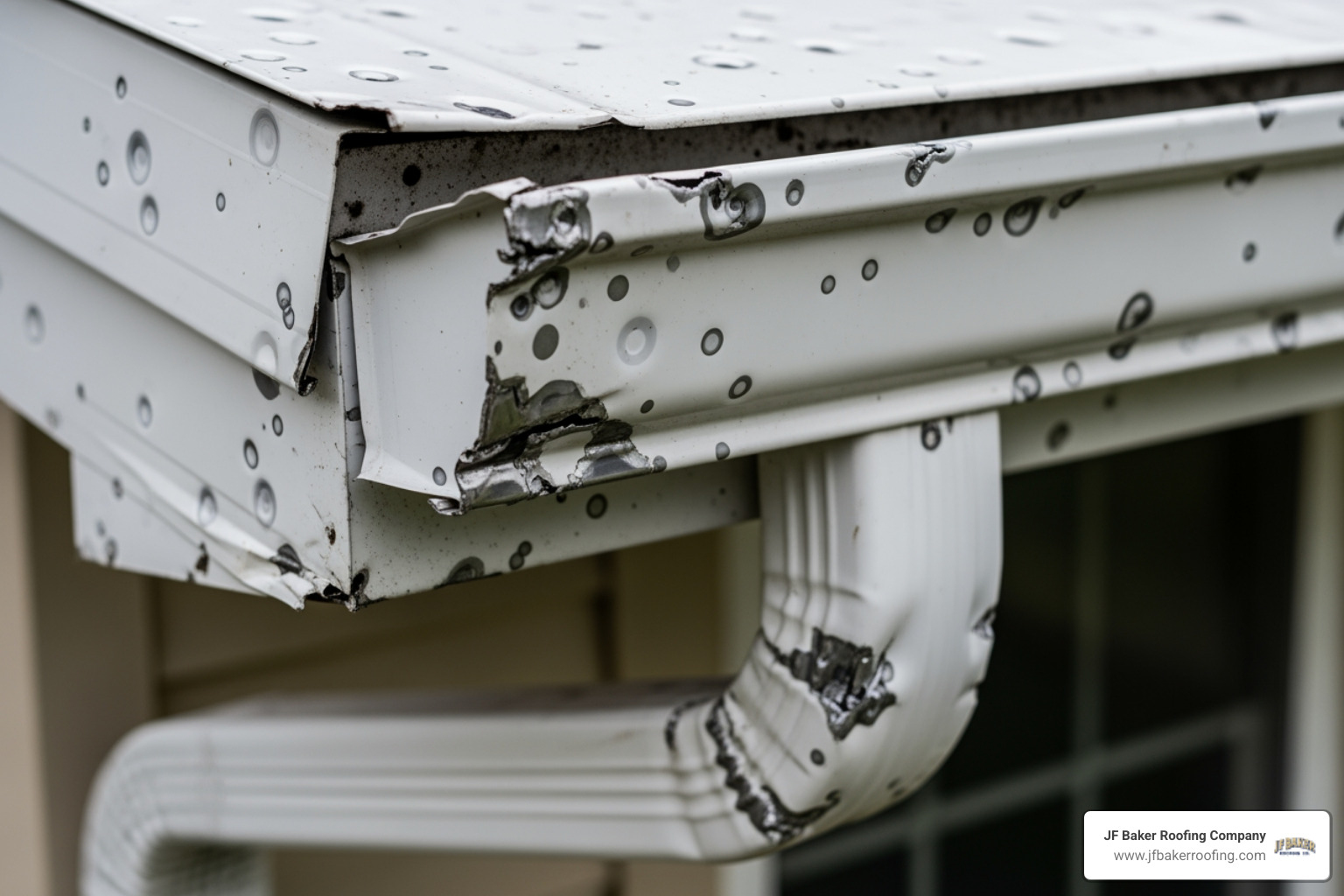
- Bent, Warped, or Detached Metal: Flashing pulled away from brick chimneys, dormers, or fascia boards allows windblown rain straight into the wall cavity.
- Interior Water Stains: Brown rings on upstairs ceilings, peeling wallpaper around exterior walls, or damp odors in the attic often trace directly back to failed flashing seams rather than damaged shingles.
The Professional Process for Roof Flashing Repair Central Ohio Properties Require
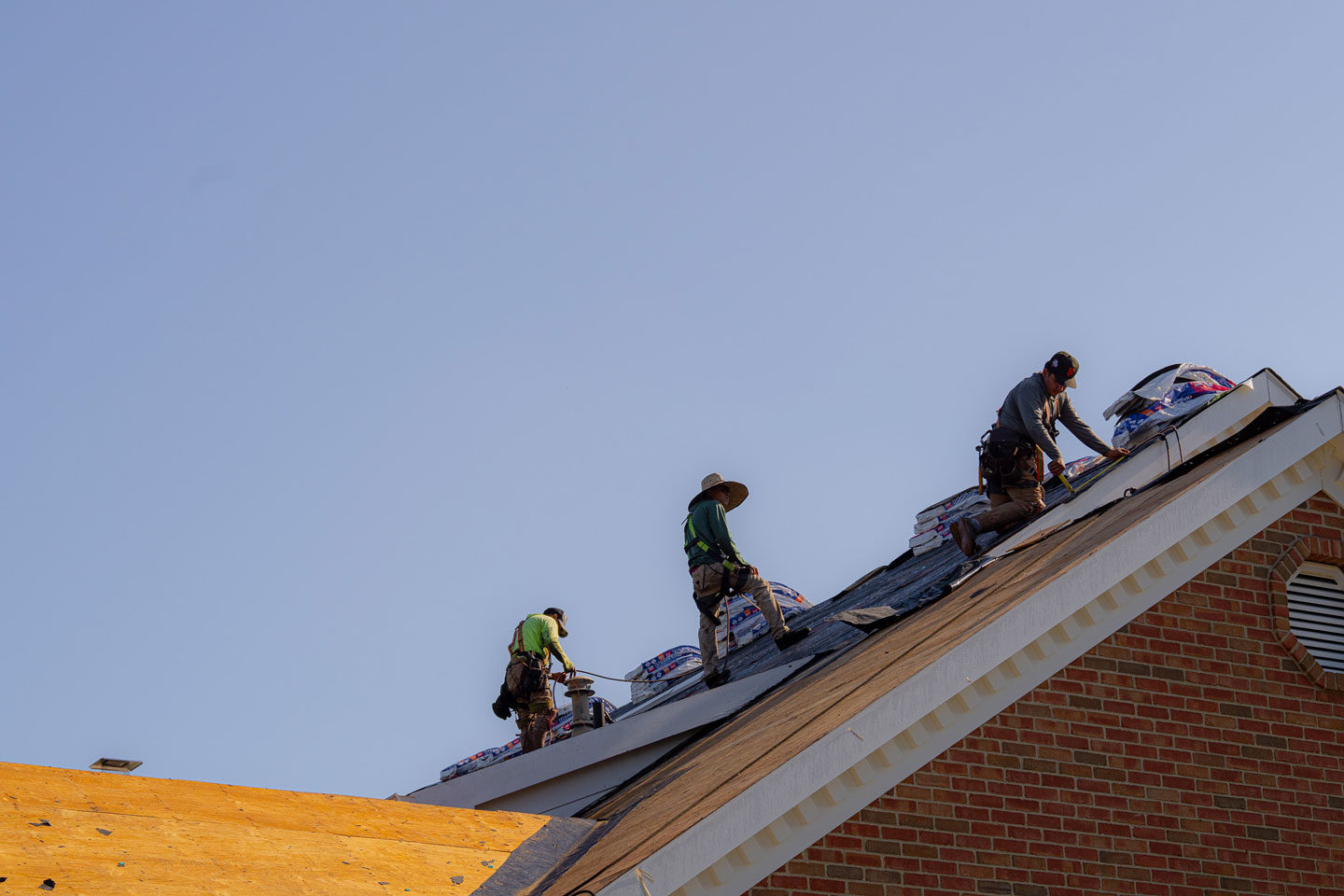
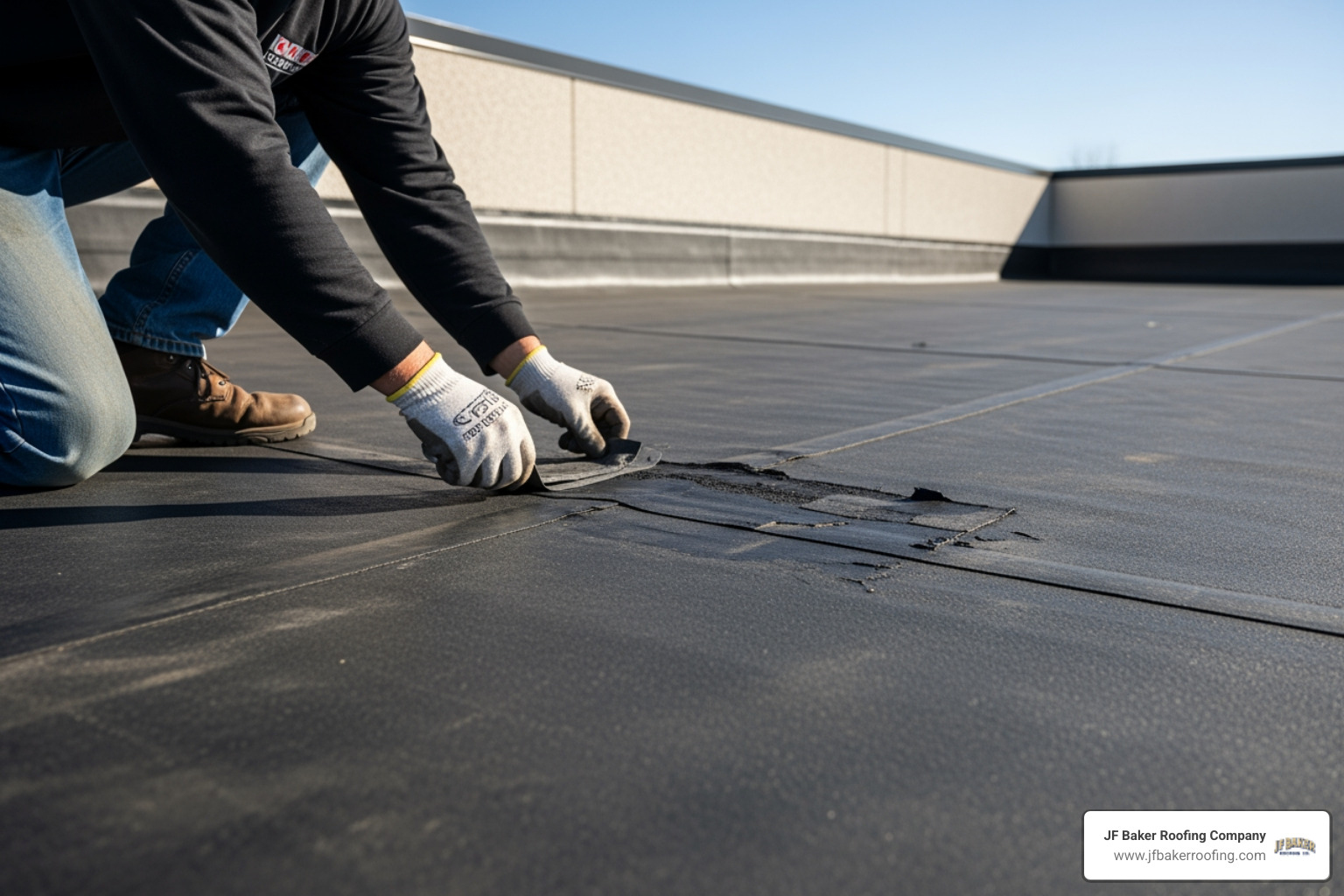
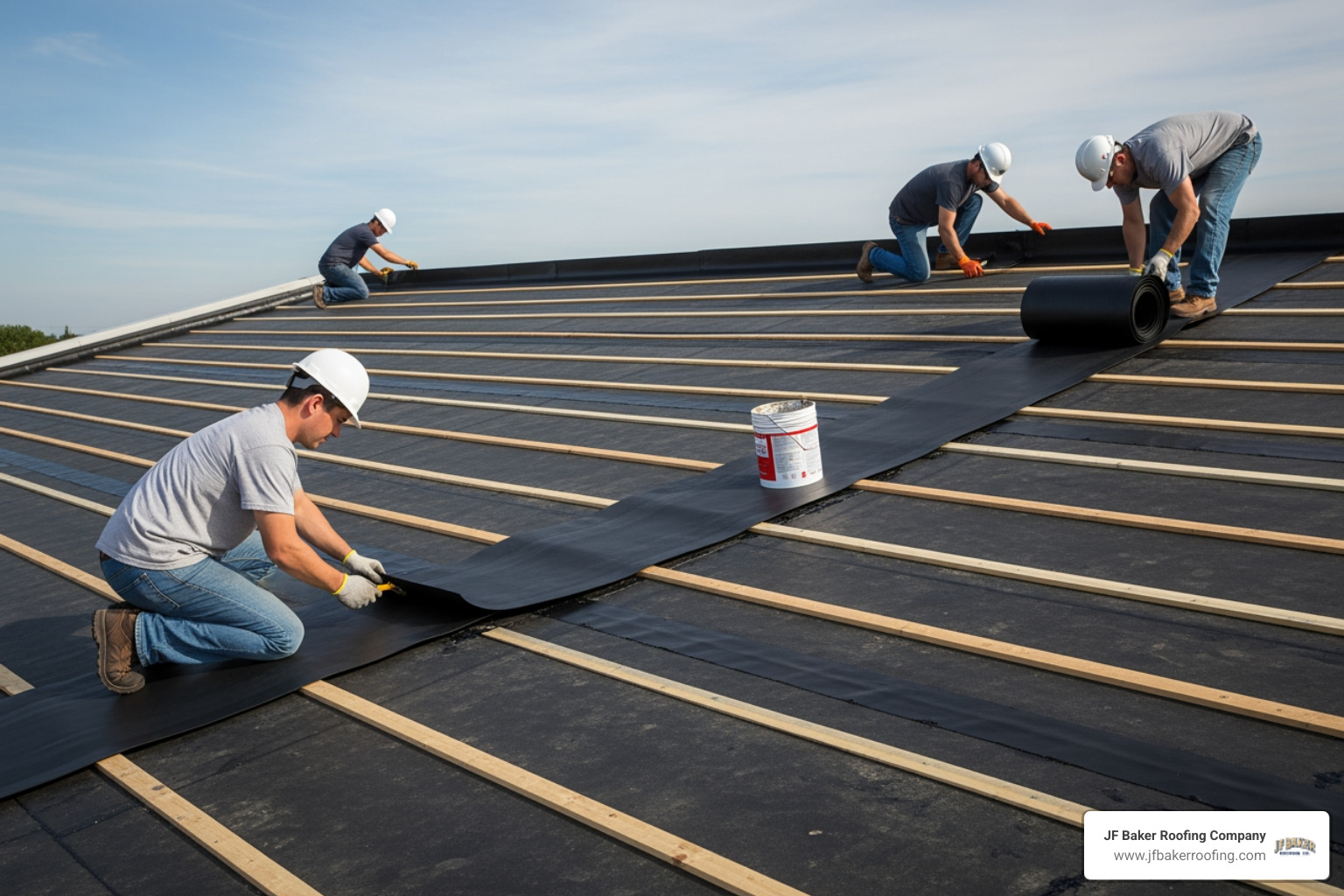
Addressing damaged flashing properly requires more than simply spreading roof cement over rusted seams. A lasting repair requires careful disassembly, precise metal fabrication, and correct fastening techniques that meet local building codes and maintain shingle warranties.
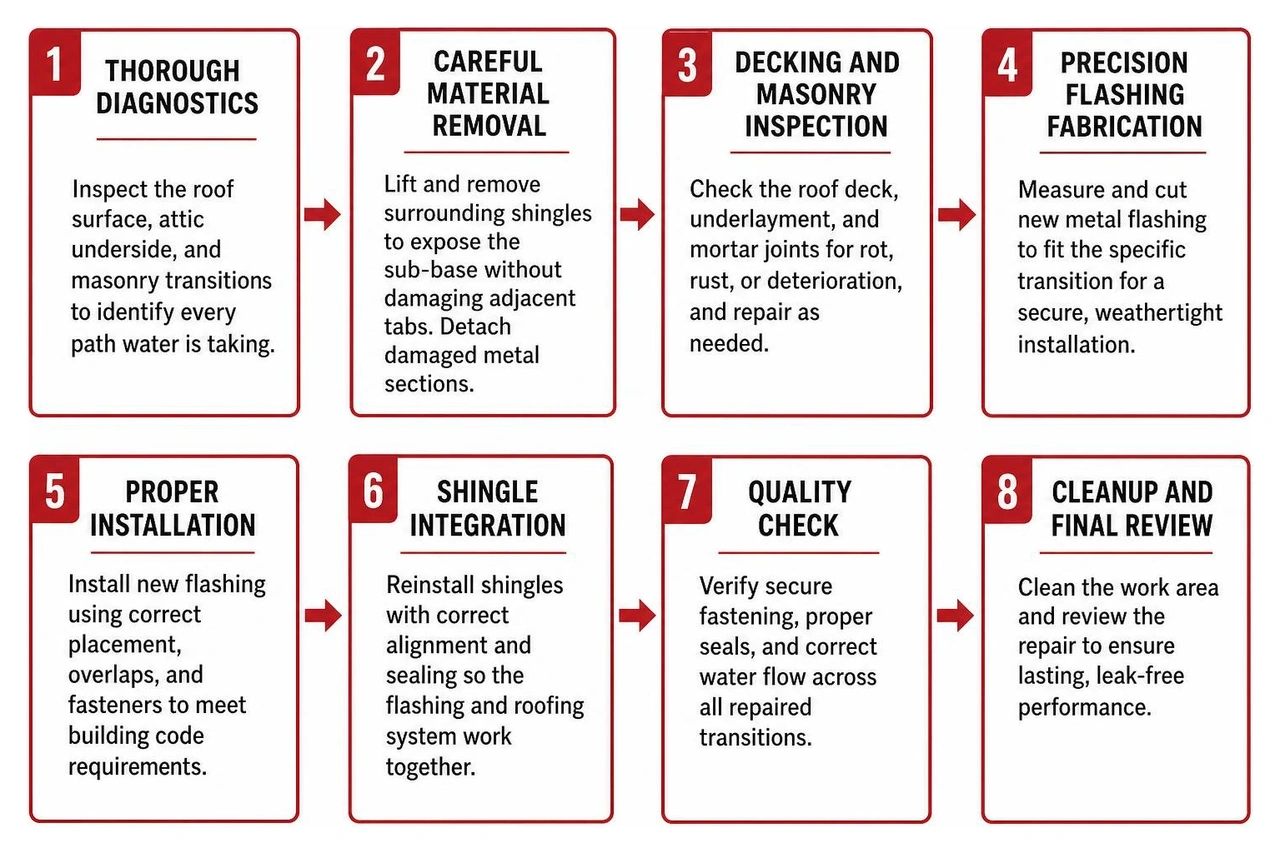
Here is how a skilled roofing crew systematically addresses damaged flashing:
- Step 1: Thorough Diagnostics: The roofer inspects the roof surface, attic underside, and masonry transitions to identify every path water is taking.
- Step 2: Careful Material Removal: Surrounding shingles are gently lifted and removed to expose the sub-base without breaking adjacent tabs. Damaged or corroded metal sections are detached.
- Step 3: Decking and Masonry Inspection: The underlying roof deck, underlayment, and mortar joints are checked for rot, rust, or deterioration, and repaired as needed.
- Step 4: Custom Metal Fabrication: Replacement step flashing, continuous valley flashing, or chimney aprons are custom-bent from durable gauge metal to match your roof's exact angles.
- Step 5: Layered Installation: Flashing is installed using a proper shingle-weave pattern. Step flashing cards are layered alternately between shingle courses so gravity naturally carries water downward over each seam.
- Step 6: Counter Flashing and Mortar Joint Sealing: On chimneys and brick walls, counter flashing is set into ground-out mortar joints (reglets) and mechanically fastened, then sealed with high-grade elastomeric sealant.
- Step 7: Quality Verification and Clean-up: Surrounding shingles are fastened back in place, fasteners are sealed, and the work area is cleared of nails and metal debris.
When you need dependable roof repair, professional replacement following this systematic process ensures full compliance with local building codes and preserves manufacturer warranties.
How to Choose the Right Central Ohio Roofing Contractor
Hiring the right contractor is the most important step in protecting your home from ongoing roof leaks. While some handy homeowners might consider a DIY patch, working on steep slopes carries serious fall hazards. In addition, applying tar or standard caulking often traps moisture beneath the metal, accelerating rot. Improper repairs can also void shingle manufacturer warranties.
Industry standards established by the National Roofing Contractors Association emphasize that proper flashing integration, code-compliant detailing, and quality materials are essential to safeguard your roof deck against moisture intrusion.
To ensure your home is in good hands, vet your contractor using this straightforward checklist:
- Local Roots and Physical Presence: Choose established contractors with a verified local address and a proven track record across Columbus, Grandview Heights, Westerville, and Hilliard.
- Proper Licensing and Insurance: Always request written proof of active commercial general liability insurance and current Ohio Workers' Compensation coverage.
- Factory Certifications: Look for recognized industry designations, such as CertainTeed ShingleMaster credentials, which demonstrate proven product knowledge and strict installation standards.
- Itemized, Transparent Estimates: A reputable contractor provides a clear written scope detailing tear-off, metal thickness, sealant types, and labor, with no hidden surprises.
- Unbiased Evaluations: Avoid high-pressure sales reps who try to turn a simple flashing fix into a full roof replacement. Your roofer should provide an honest assessment, advising when a targeted repair is sufficient.
If you are scheduling a professional roof inspection delaware or need service elsewhere in Central Ohio, partnering with a dependable, family-owned business gives you the peace of mind that the job will be done right the first time.
Frequently Asked Questions About Roof Flashing in Central Ohio
How much does roof flashing repair cost in Columbus and Central Ohio?
Flashing repair costs depend on several clear factors rather than a single fixed rate. The overall cost depends on the scope of the repair, the accessibility and pitch of your roof, the type of metal used (such as aluminum versus custom-fabricated copper), and the specific location of the leak. For example, replacing a single plumbing boot flashing is straightforward, whereas cutting into chimney mortar joints to install custom-bent counter flashing involves more labor and specialized masonry tools. A reputable local contractor will inspect the site and provide a transparent, itemized written estimate detailing labor and materials before starting any work.
Can damaged roof flashing be repaired without replacing the entire roof?
Yes. In most cases, damaged or corroded roof flashing can be repaired or replaced independently of the rest of the roof system. If the surrounding shingles, decking, and underlayment are in sound condition, a technician can lift adjacent shingle courses, remove old metal pieces, install new custom-bent flashing, and reinstall the shingles securely. To make sure underlying wood rot is not hidden beneath the leak point, schedule a comprehensive roof inspection to confirm whether a localized repair will solve the problem.
How long does metal roof flashing typically last in Ohio?
Under normal conditions, quality metal roof flashing lasts between 15 and 30 years, depending on the material and exposure to the elements. Galvanized steel and standard aluminum typically last 15 to 20 years before rust or joint fatigue appears, while premium heavy-gauge copper can last 40 to 50 years or longer. However, the sealants and mechanical fasteners securing the flashing often need inspection and maintenance every 5 to 10 years due to Central Ohio's severe freeze-thaw cycles and seasonal temperature swings.
Conclusion
A durable roof relies on solid, properly installed flashing at every transition. Whether you are dealing with a persistent chimney leak in Bexley, loose dormer flashing in Upper Arlington, or storm damage in Powell or Worthington, addressing small metal defects today prevents costly water remediation tomorrow.
At JF Baker Roofing, we have served Central Ohio since 1929 and are led by third-generation owners Chad and Pat Baker. As a CertainTeed ShingleMaster Preferred Contractor, NRCA member, and BBB Accredited Business with an A+ rating, we take pride in delivering honest assessments, transparent pricing, clean job sites, clear communication, and no high-pressure sales tactics. We recommend repairs when possible and replacement only when genuinely needed.
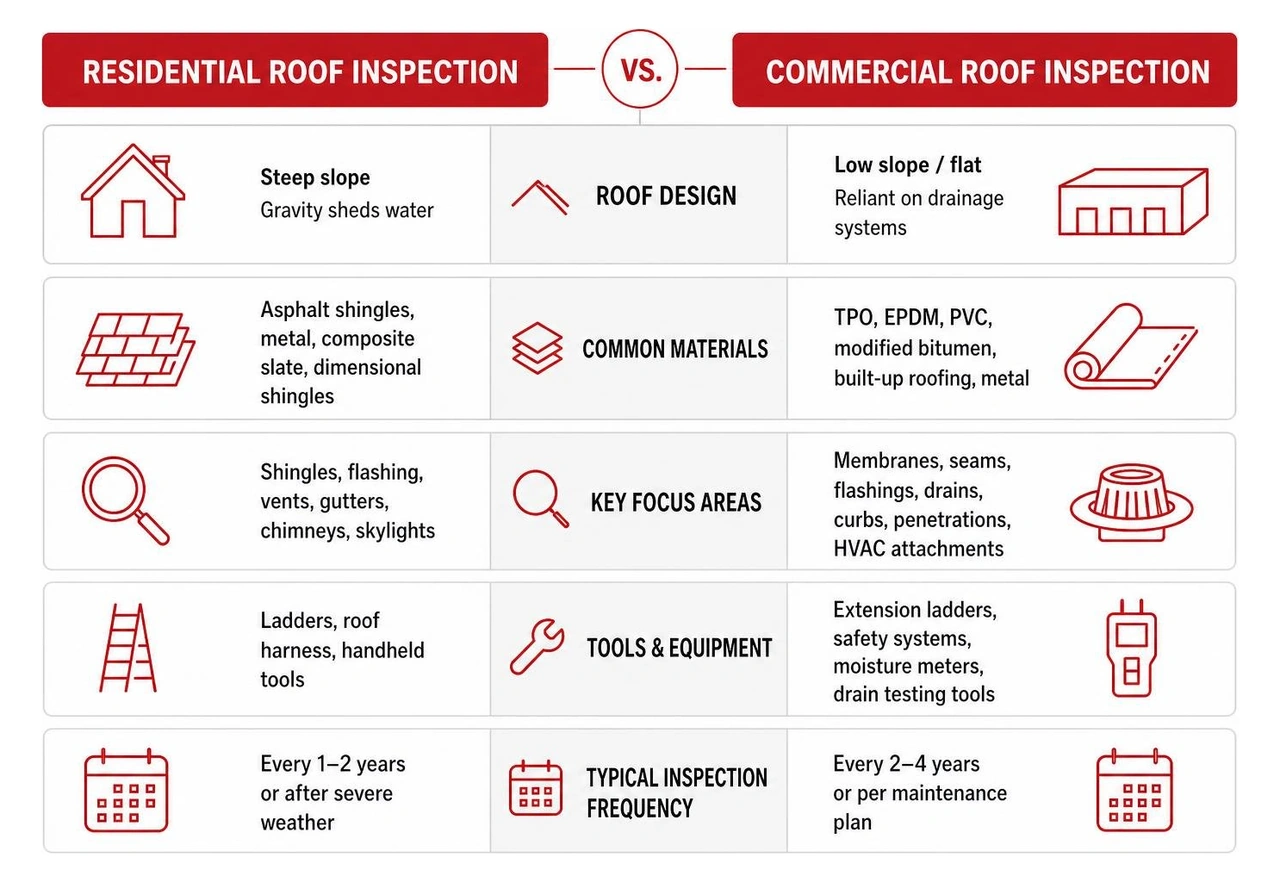
We serve both residential and commercial clients across Columbus and surrounding communities, including Dublin, Upper Arlington, Hilliard, Grandview Heights, Worthington, and Westerville. Our comprehensive services include:
- Residential roofing
- Commercial roofing
- Roof repair and roof replacement
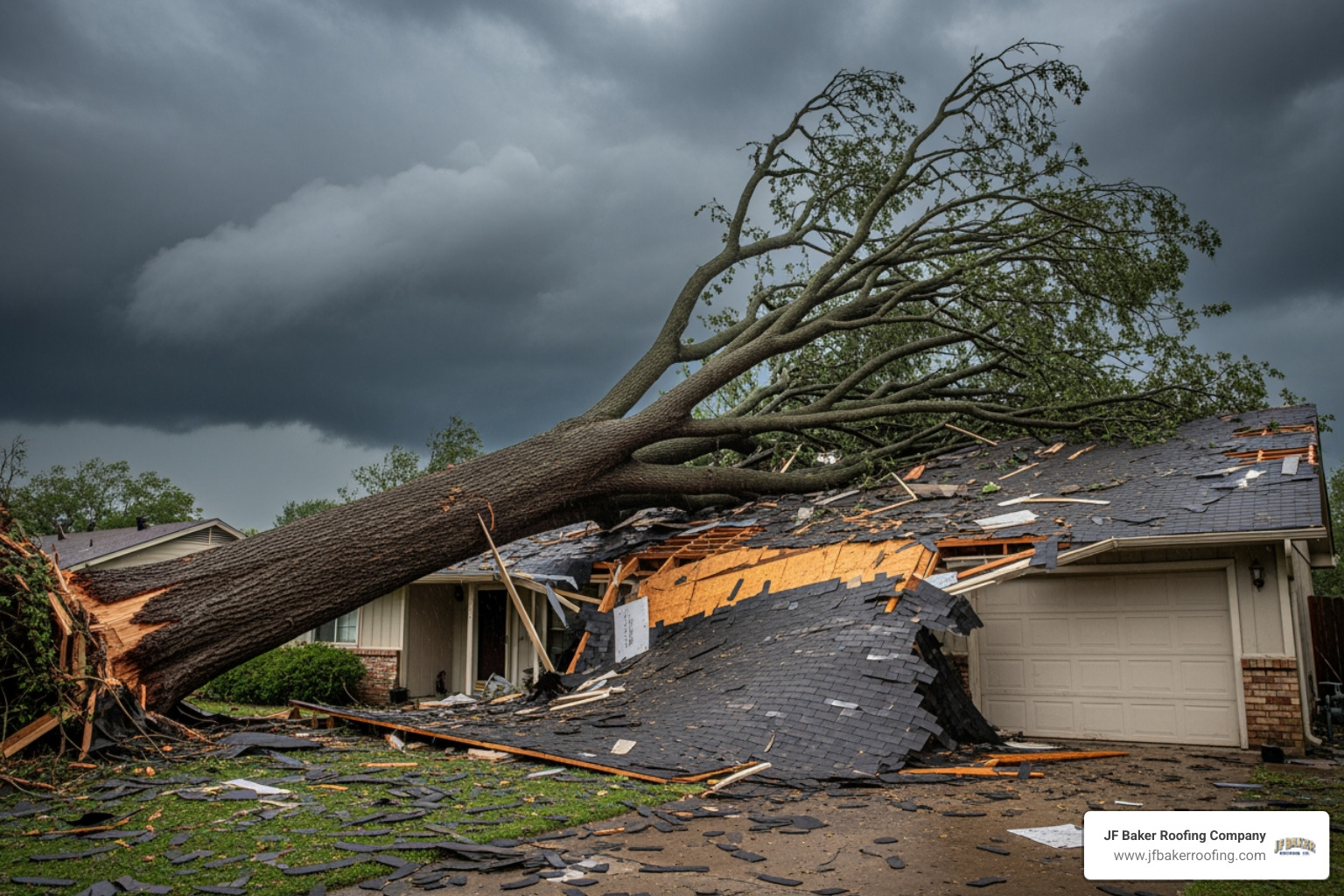
- Storm damage roofing
- Gutter installation and repair
- Custom sheet metal work
Trusted since 1929, we operate on three generations of Central Ohio roofing experience: built on integrity, proven by performance. Let our reputation be your security, because we stand behind every roof we install.
If you suspect your roof flashing is leaking, damaged, or pulling away from the wall, reach out to our friendly team at JF Baker Roofing today. We will provide an honest, thorough evaluation and help you protect your home with confidence.











.jpeg)