The Safe Way to Clean Moss Off Your Asphalt Shingle Roof
Why Roof Moss Is More Than Just a Cosmetic Problem
To safely clean moss off an asphalt shingle roof, apply a gentle chemical treatment such as zinc sulfate or a diluted bleach solution, let it dwell so the moss dies down to its root structures, then brush downward with a soft-bristle broom and rinse with low-pressure water from a garden hose. Avoid pressure washing, which strips protective granules and can void your shingle warranty.
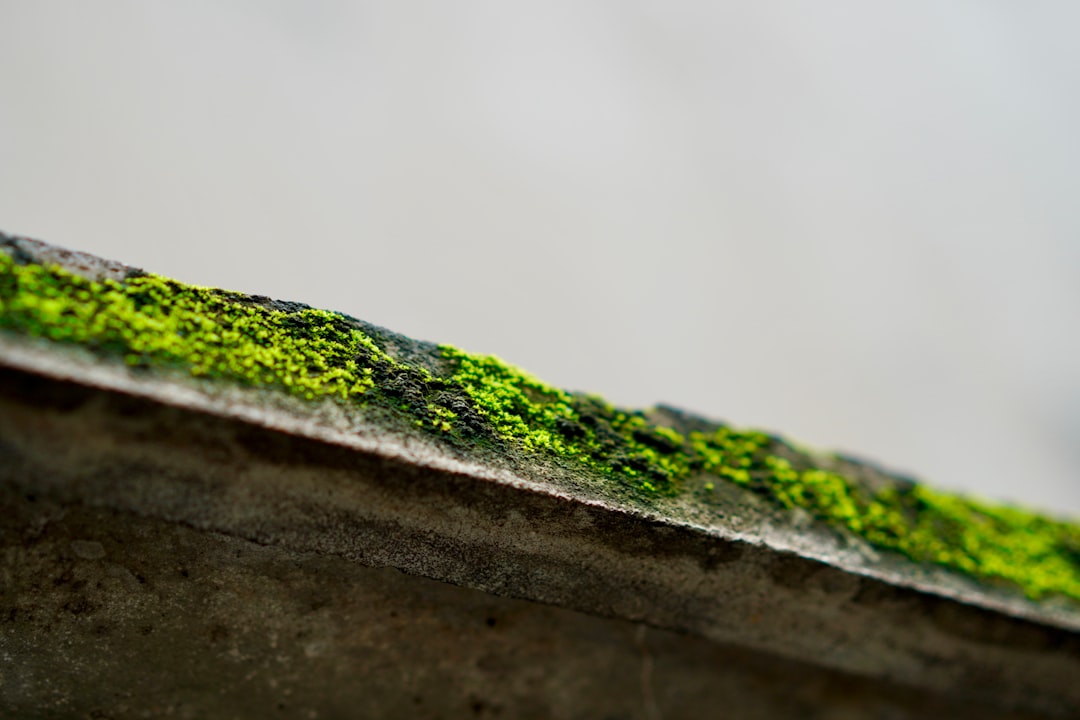
Many homeowners think a patch of green on their shingles adds rustic character. In reality, moss behaves like a heavy sponge that continually traps water against your roof surface. Moss can hold 20 to 30 times its own weight in water, creating a persistent micro-environment of dampness.
When moisture remains trapped against asphalt shingles, several destructive things happen:
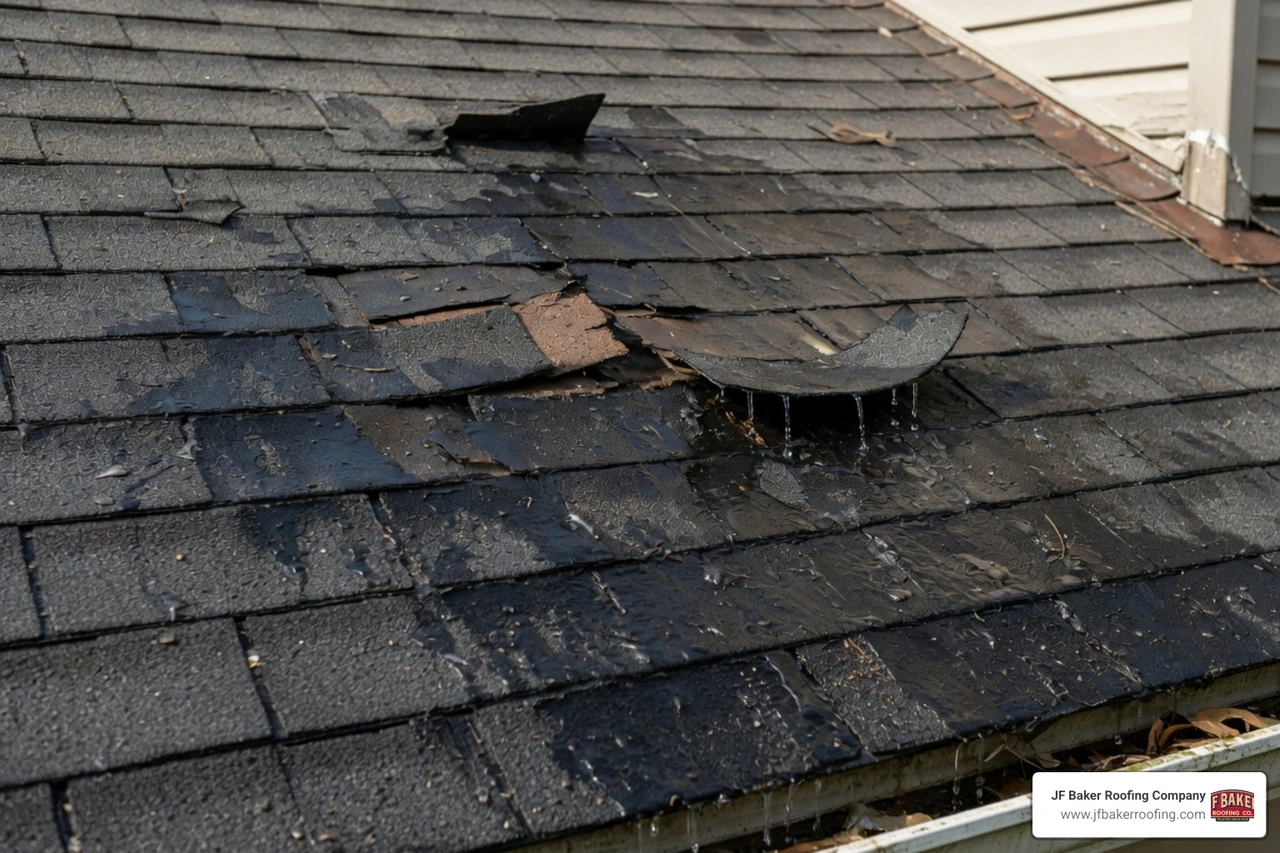
- Shingle Tab Lifting: As moss grows, its root-like anchoring structures, called rhizoids, work their way underneath the edges of the shingles. As the moss expands, it physically lifts the shingle tabs, breaking the manufacturer sealant bond and exposing the roof to wind damage.
- Freeze-Thaw Damage: In our Central Ohio climate, trapped water freezes during winter nights and expands. This expanding ice cracks the asphalt coating and dislodges protective mineral granules.
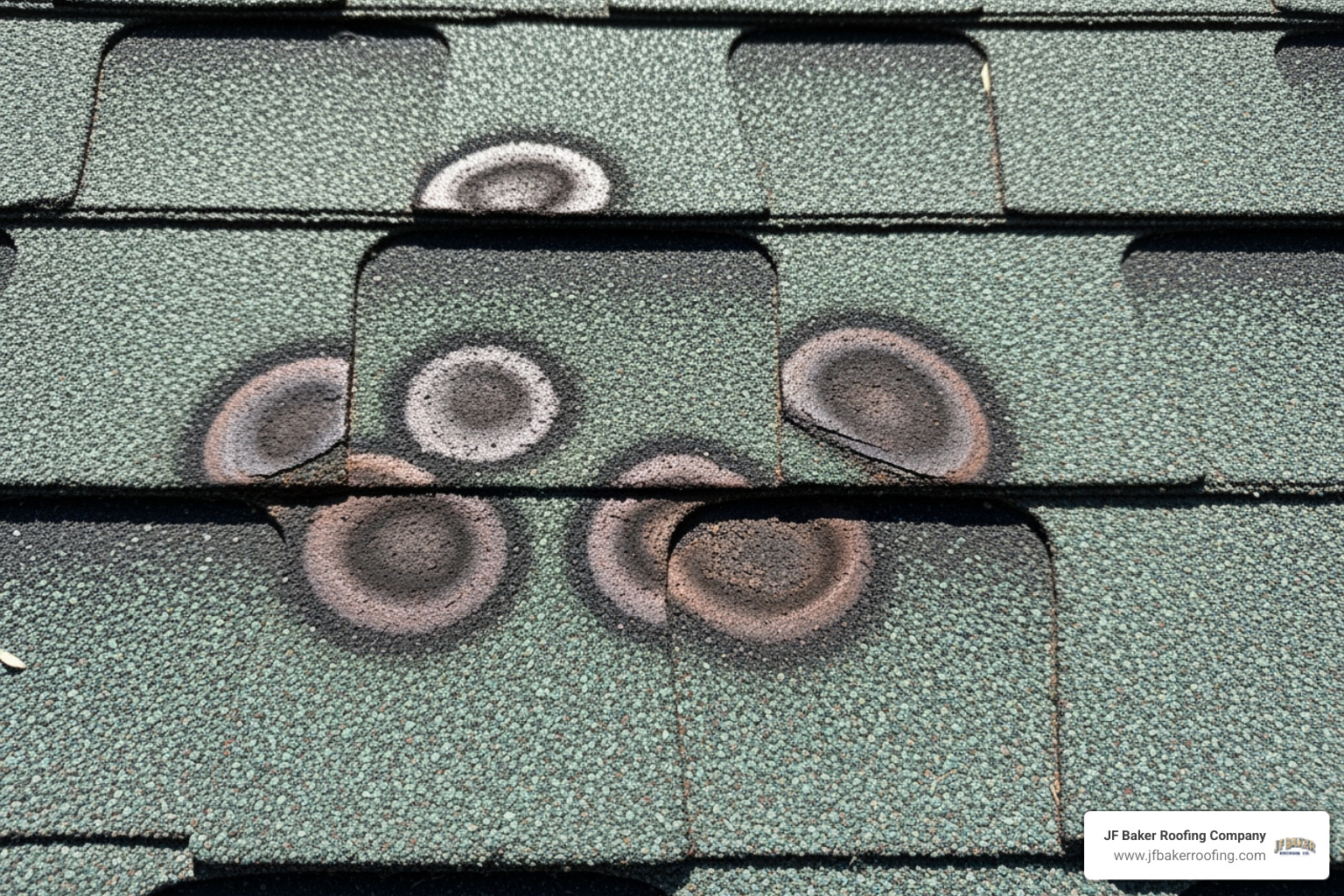
- Granule Loss: The protective granules shield the underlying asphalt from ultraviolet sun rays. Once moss takes hold and gets pulled away aggressively, it takes those essential granules with it, leaving the asphalt core exposed to rapid decay.
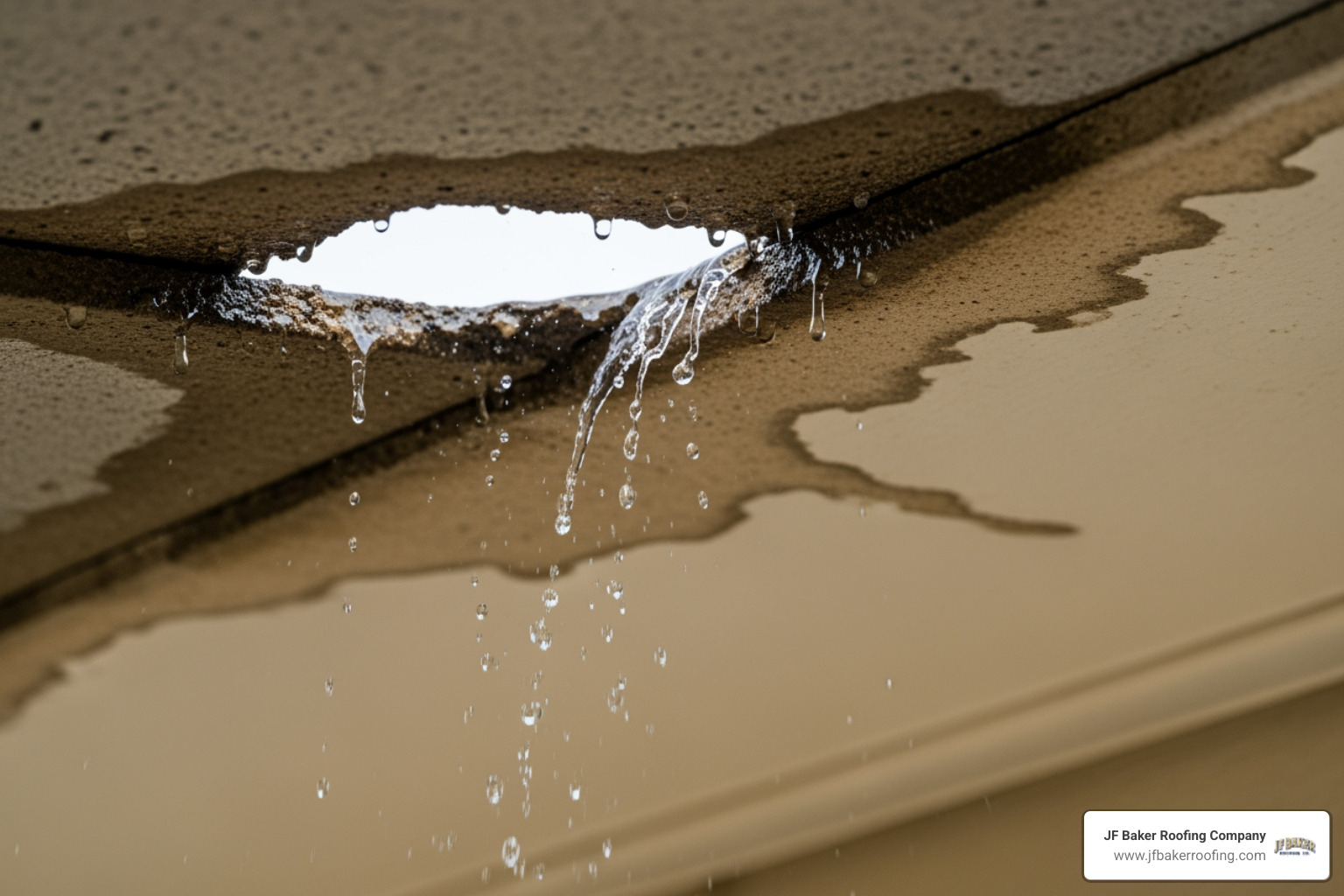
- Decking and Underlayment Decay: Over time, water seeps past lifted shingles and soaks the roof underlayment, eventually causing the wooden decking beneath to soften and rot.
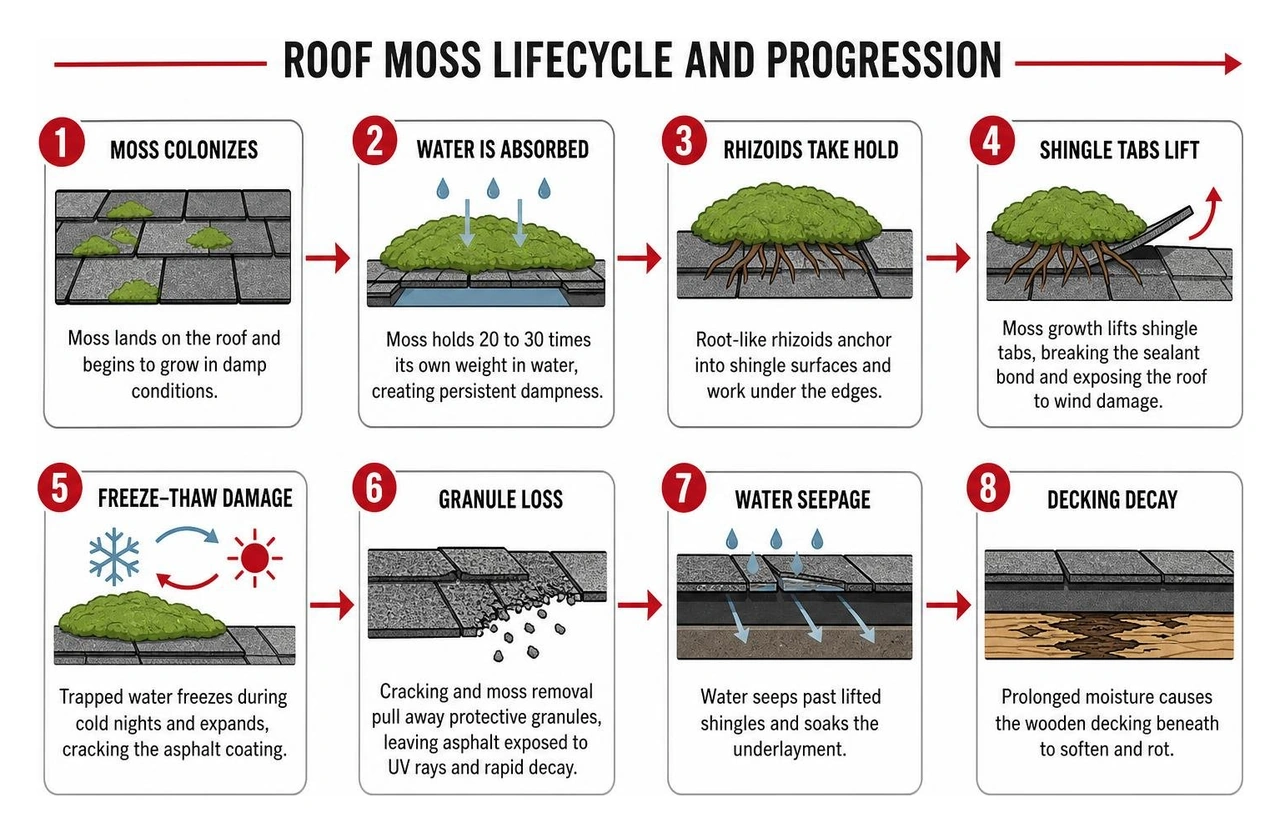
Moss-covered asphalt shingles lose 20 to 30 percent of their service life compared to clean shingles. On a standard 25-year architectural shingle, that translates to 5 to 7 years of lost service life. If you want to understand how minor surface issues turn into structural repairs, take a look at our Roof Damage Repair Guide 2026.
Why Pressure Washing Destroys Asphalt Shingles
When homeowners spot thick green patches, their first instinct is often to fire up a pressure washer. This is one of the most expensive mistakes you can make on an asphalt roof.
High-pressure water acts like a sandblaster against shingle surfaces. A single session of pressure washing can age an asphalt roof by 5 to 10 years in just a few minutes by stripping away the mineral granules that provide UV protection and fire resistance. Furthermore, the concentrated upward spray pushes water directly underneath the shingle overlaps, soaking the underlayment and causing immediate leaks.
Major shingle manufacturers specifically state in their warranty terms that using a pressure washer voids your warranty protection. Industry resources like The Roofing Brief safe moss removal steps strongly advise against high-pressure washing for this exact reason.
The Step-by-Step Guide to Safe Roof Moss Removal
Cleaning moss requires patience, chemical efficacy, and gentle mechanical action. The key is to kill the root structures completely so the moss detaches without pulling the shingle granules along with it.
Safe Chemical Treatments: Comparing Cleaners and Solutions
Choosing the correct cleaning agent ensures that you eliminate the growth without discoloring your shingles or harming your surrounding gutters and plants.
- Zinc Sulfate Solutions: Highly effective at killing moss down to the rhizoids while leaving a light residue that temporarily discourages new spore germination. It is gentle on asphalt roofing materials.
- Sodium Hypochlorite (Diluted Roof Bleach): A standard 50:50 mixture of water and household bleach acts rapidly, killing moss within hours. However, it requires careful property protection because runoff can damage delicate plants and stain outdoor fabrics.
- Commercial Moss Cleaners: Products based on potassium salts of fatty acids or quaternary ammonium compounds (such as Wet & Forget) offer a gentler, biodegradable option. They take longer to show full results but carry fewer risks of plant toxicity.
Helpful practical resources such as the This Old House guide on removing roof moss emphasize that protecting your landscaping is a critical first step. Always soak surrounding bushes and flower beds with clean water before and after applying any cleaning solution, or cover them with lightweight tarps to catch chemical runoff.
Applying the Treatment and Agitating Dead Moss
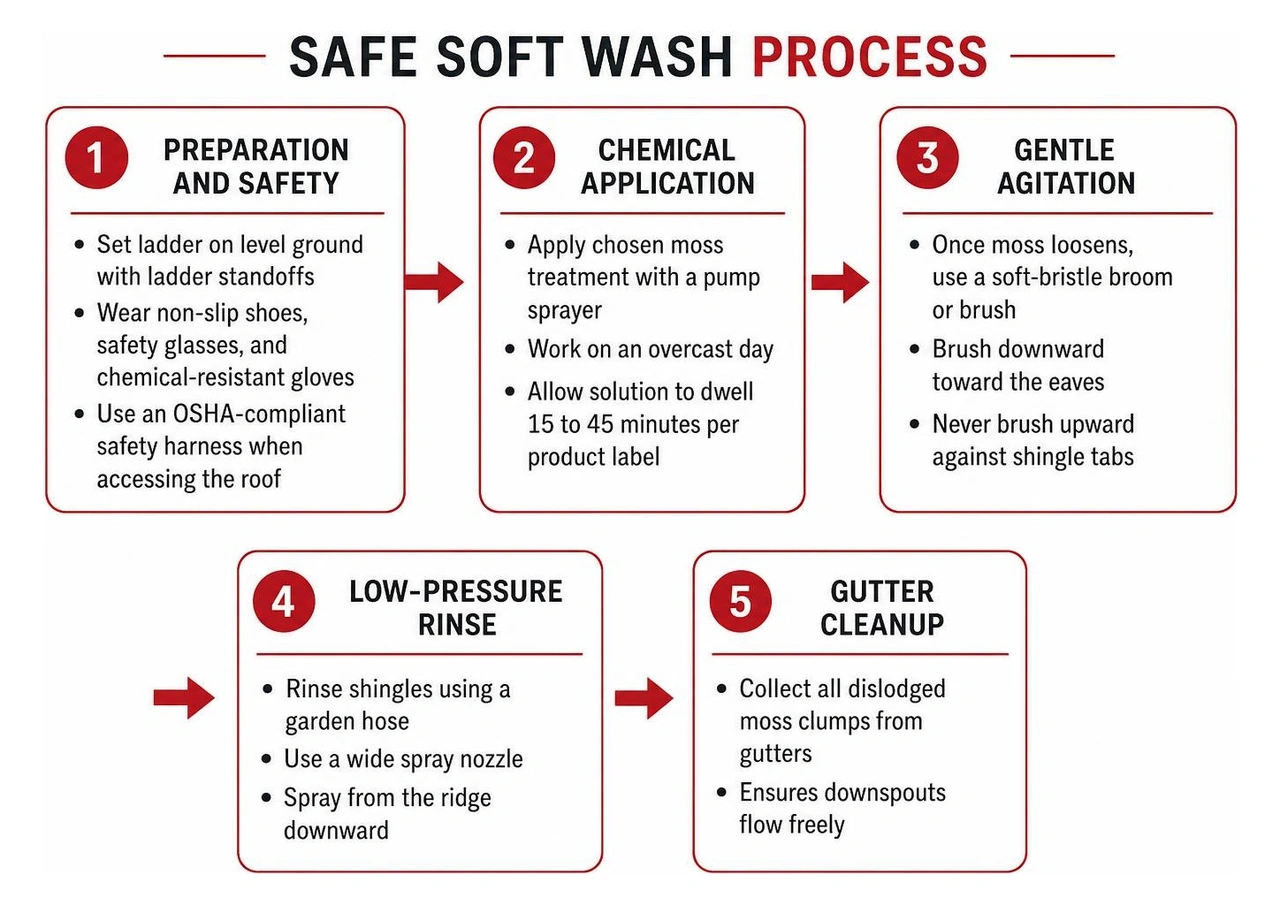
Follow this controlled sequence to treat the surface safely:
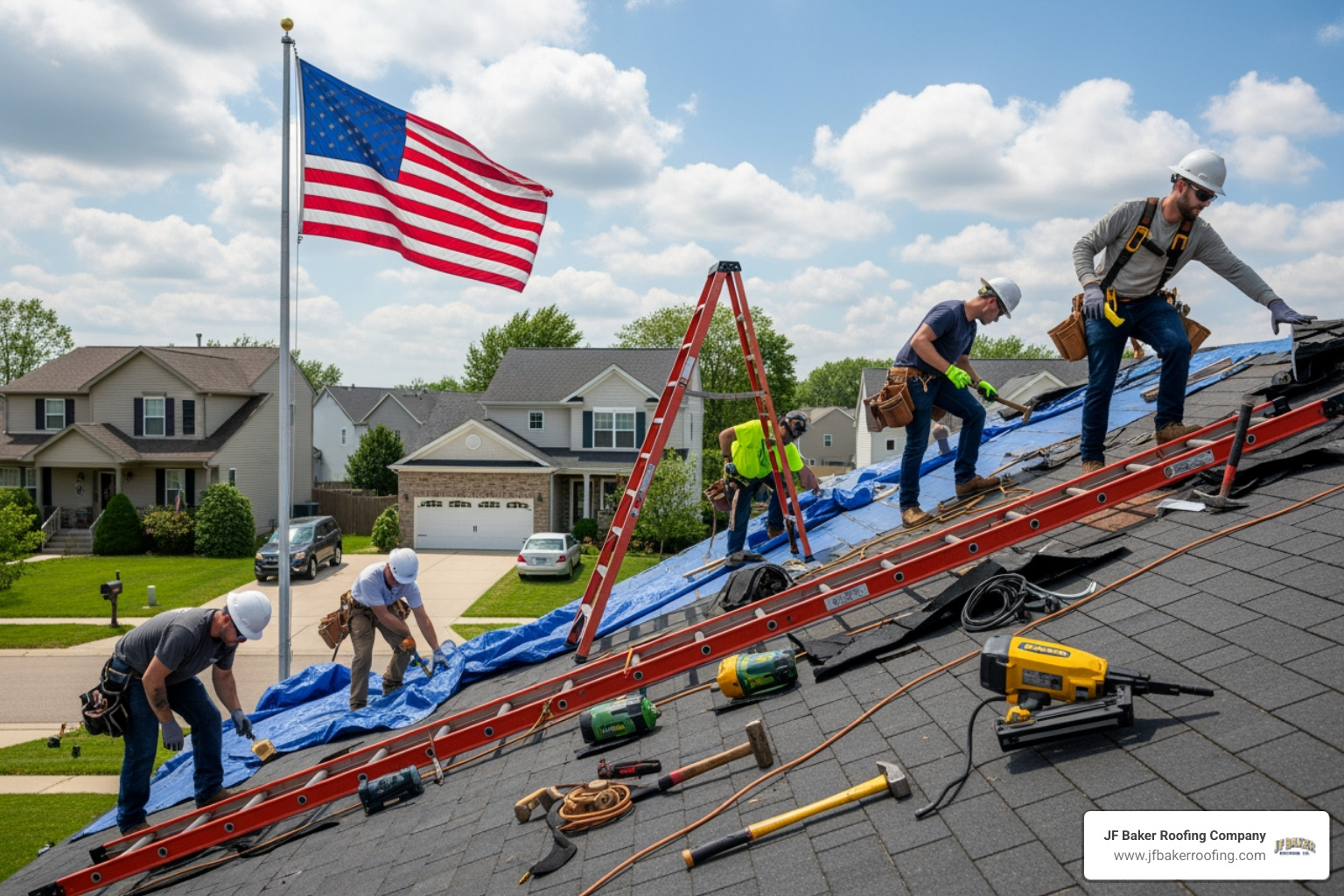
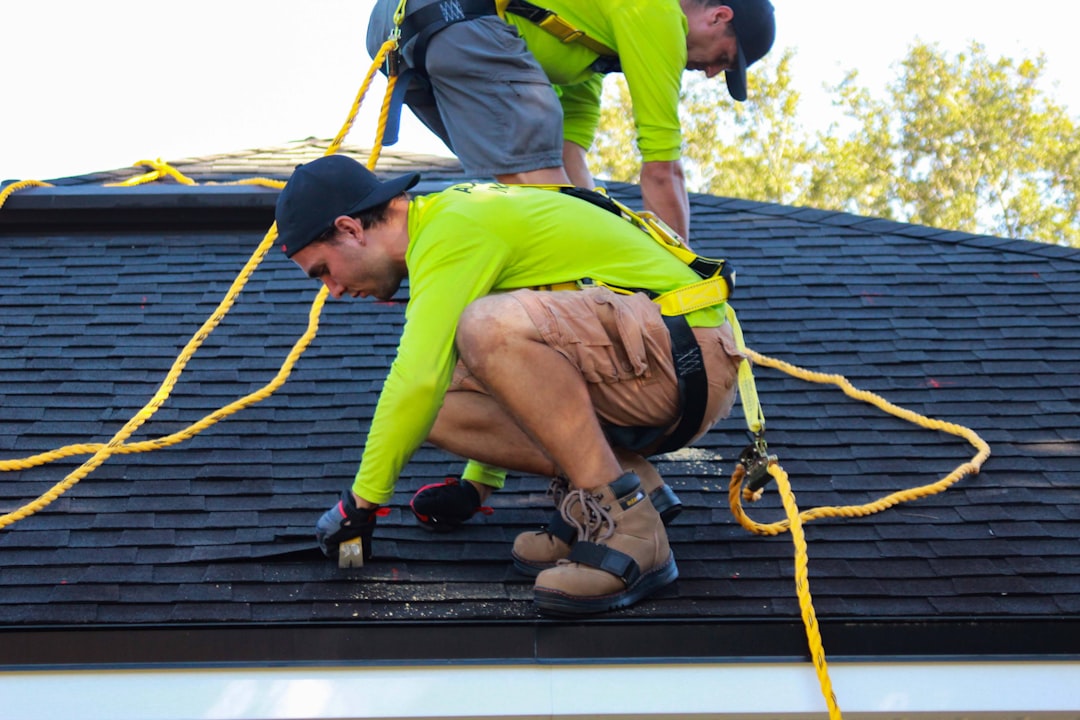
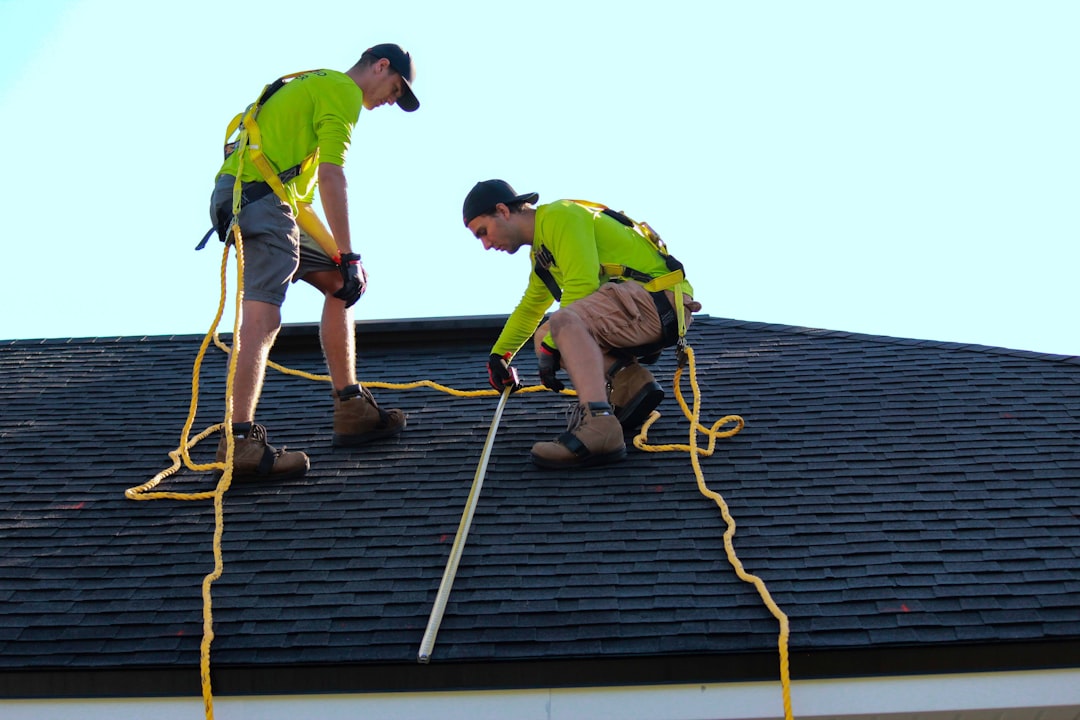
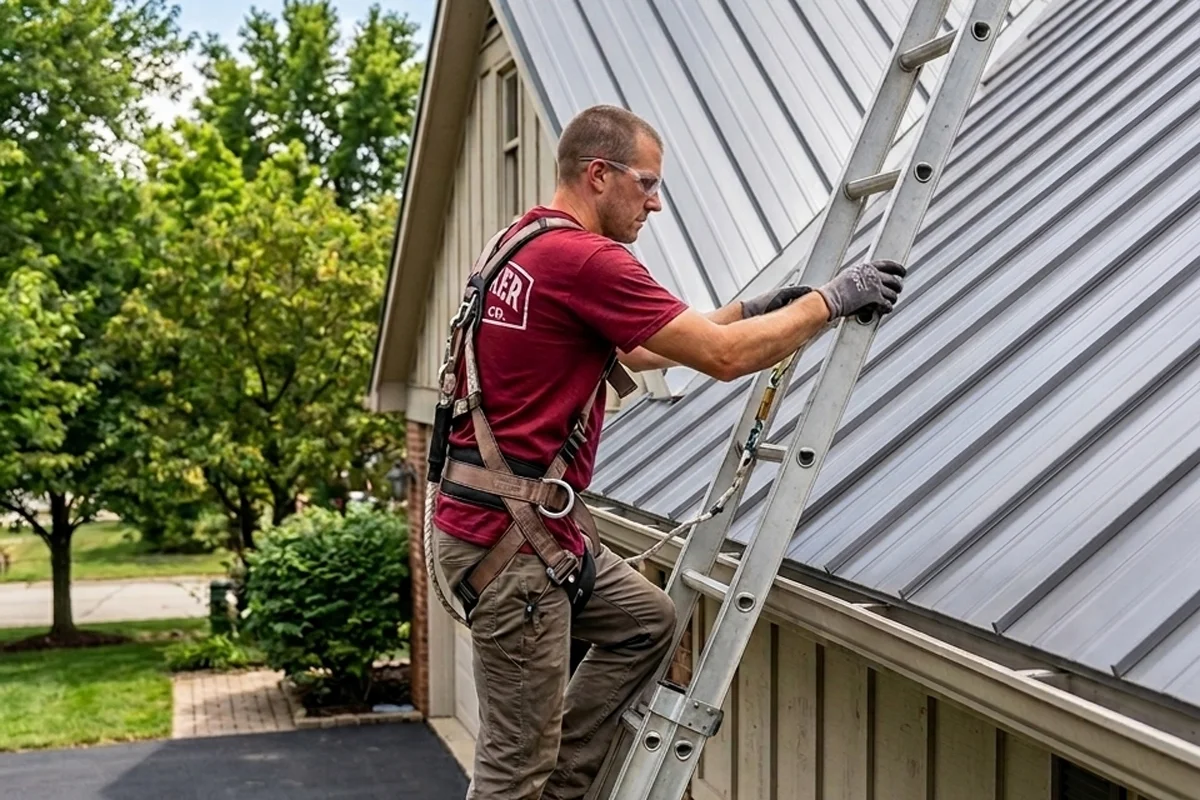
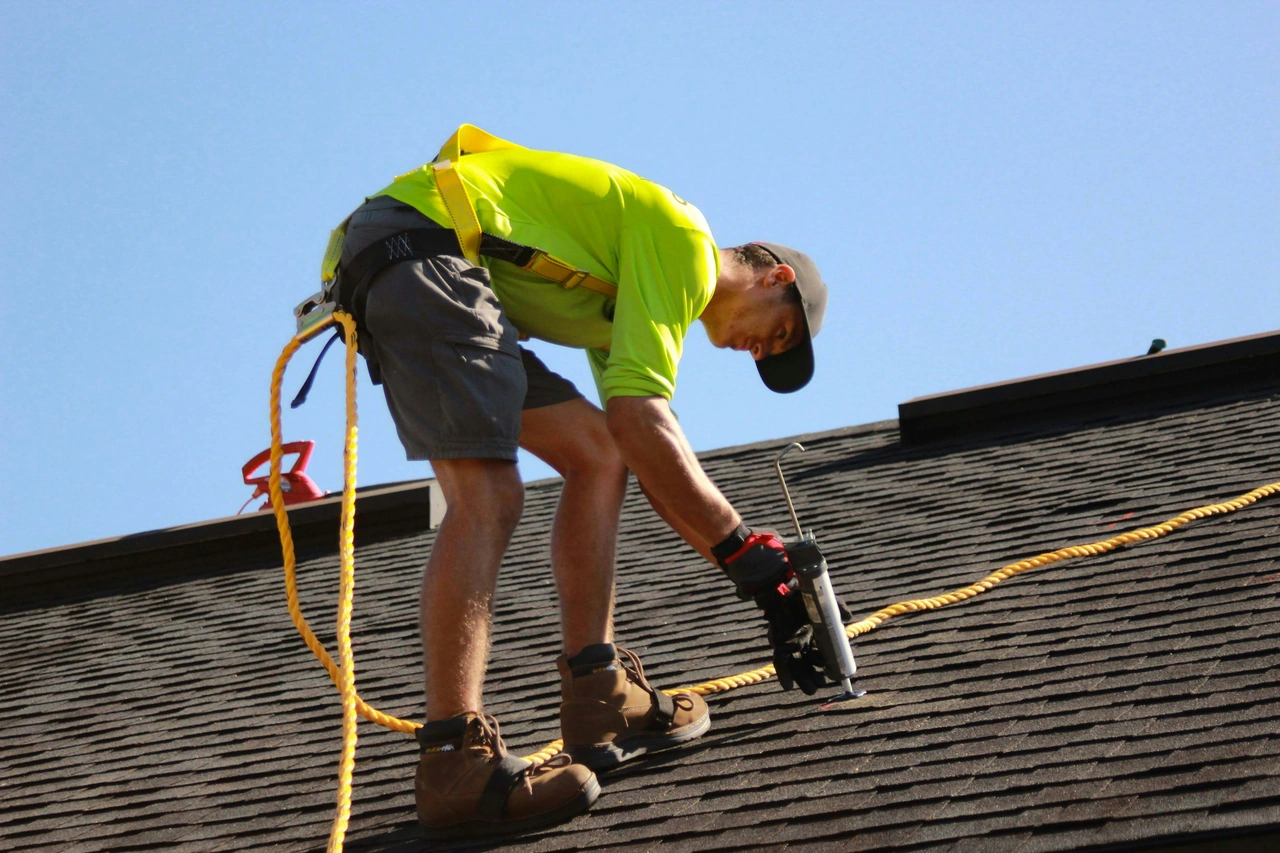
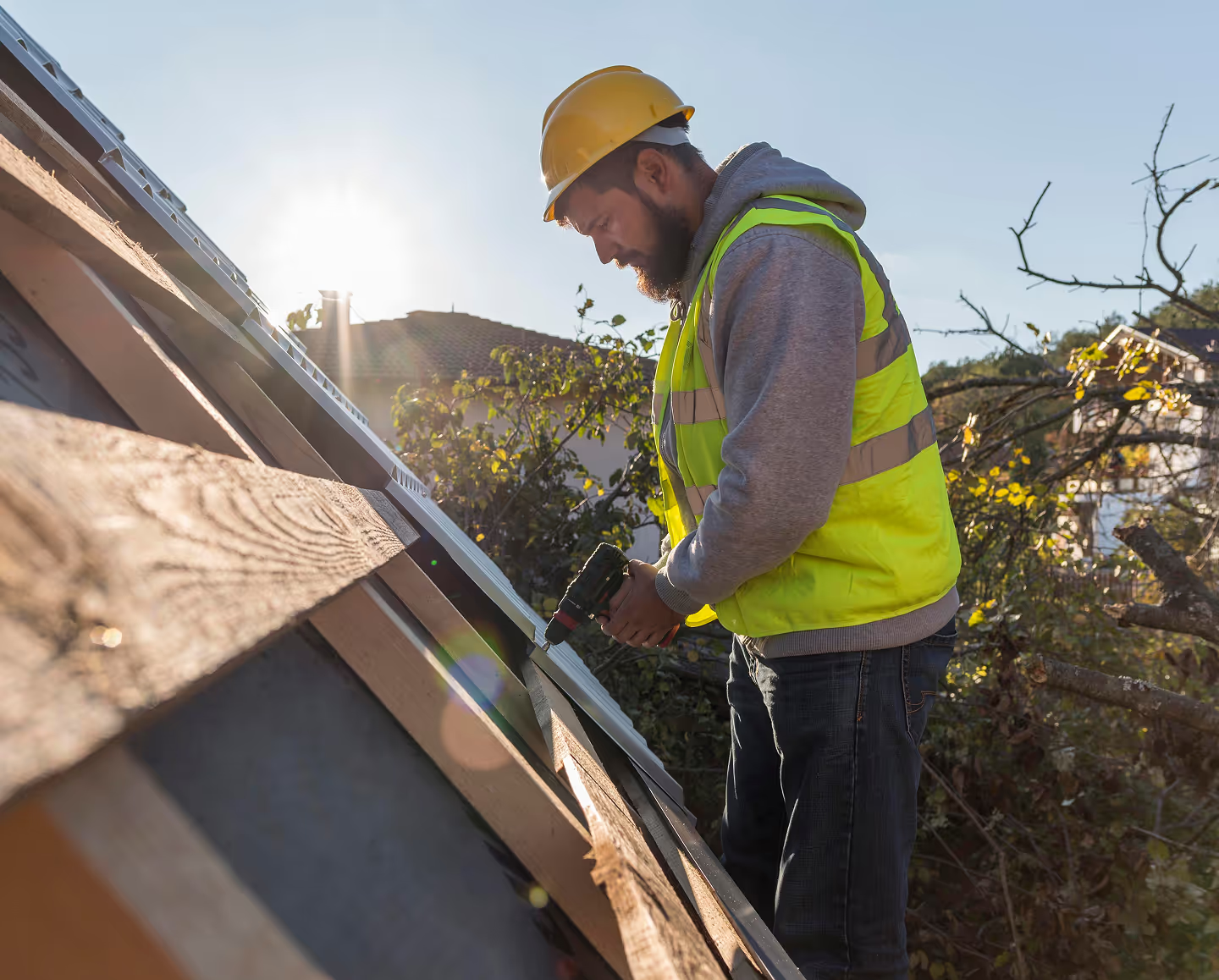
- Preparation and Safety: Set your ladder on level ground with ladder standoffs. Wear non-slip shoes, safety glasses, and chemical-resistant gloves. If accessing the roof, use an OSHA-compliant safety harness anchored securely.
- Chemical Application: Using a standard pump garden sprayer, apply your chosen moss treatment generously across the affected shingles. Work on an overcast day so the solution does not evaporate immediately, allowing a dwell time of 15 to 45 minutes depending on the product label.
- Gentle Agitation: Once the moss has absorbed the treatment and begins to loosen, use a soft-bristle broom or brush to agitate the thickest patches. Always brush downward toward the eaves. Never brush upward against the shingle tabs, as this can break the adhesive seals.
- Low-Pressure Rinse: Rinse the shingles using a normal garden hose with a wide spray nozzle, spraying from the ridge downward.
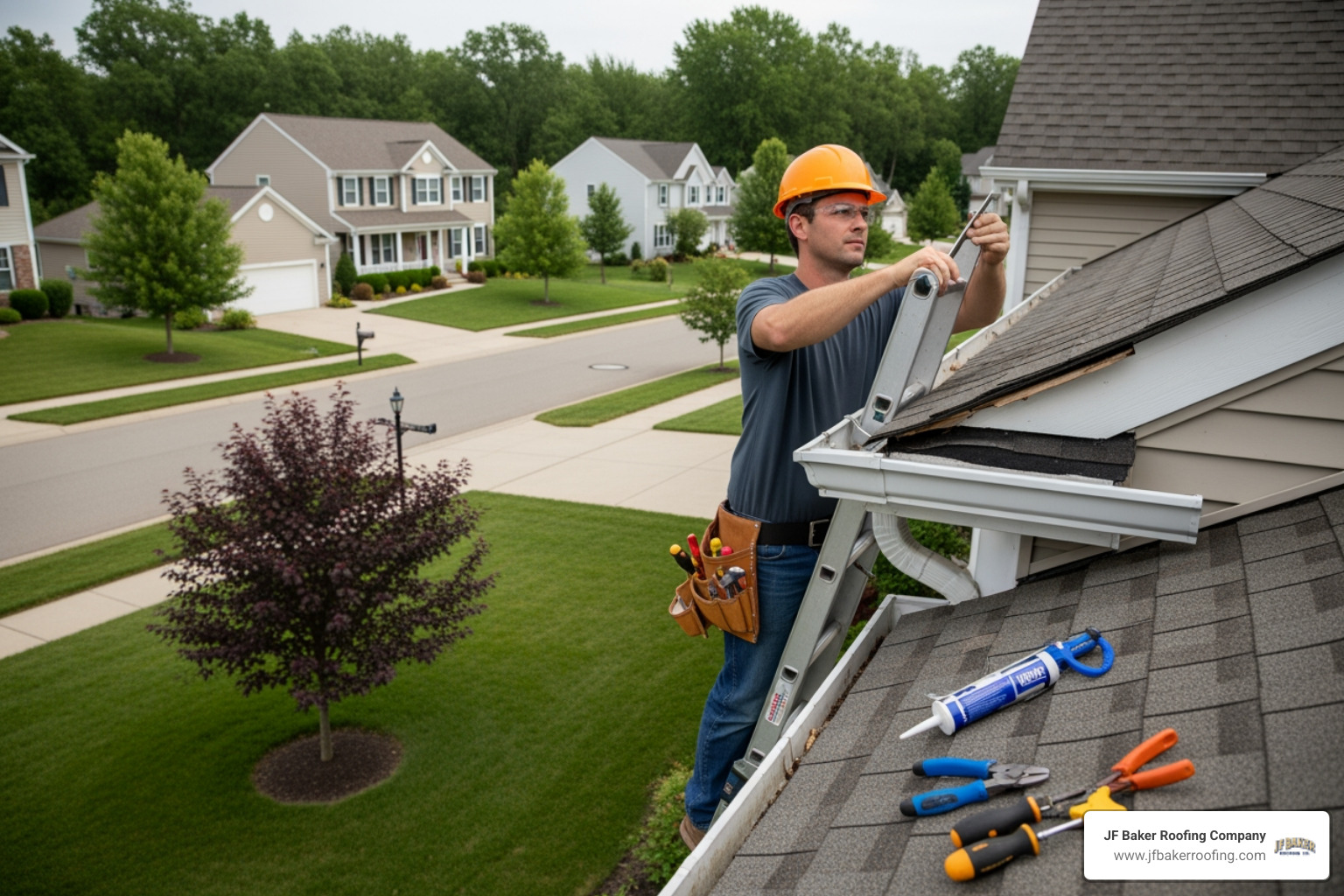
- Gutter Cleanup: After the treatment is complete, collect all dislodged moss clumps from the gutters to prevent drainage clogs. Regular gutter cleaning and repair is essential after any roof wash to ensure that downspouts flow freely.
Long-Term Moss Prevention Strategies
Once your roof is clean, taking proactive steps will keep spores from establishing new colonies on your shingles.
- Install Zinc or Copper Strips: Installing a 2- to 3-inch wide strip of zinc or copper under the shingle ridge cap provides continuous protection. Every time it rains, trace amounts of metal ions wash down the roof slope, creating an environment where moss and algae cannot survive. A properly installed zinc strip can prevent regrowth for 5 to 15 years, while copper can last even longer.
- Prune Overhanging Trees: Moss requires moisture and shade. Trimming tree branches away from your roofline allows direct sunlight to dry morning dew and rain quickly, naturally starving moss of the damp conditions it needs.
- Ensure Adequate Attic Ventilation: Proper airflow prevents heat and moisture from getting trapped under the roof deck. Good roof ventilation keeps the roof surface temperature consistent, helping to prevent moisture accumulation.
- Maintain Clean Gutters: Keep your gutters and drainage systems clear of debris. Clogged gutters trap standing water near the roof eaves, creating high humidity along the lower shingle courses.
Without preventive measures, moss typically returns to shaded, north-facing slopes within 2 to 3 years. With metal strips and routine tree trimming, you can easily keep your roof clean for a decade or more.
When to Hire a Professional for Moss Removal
While a single-story, low-slope roof with light moss can be a manageable weekend project for an experienced homeowner, many situations warrant professional equipment and expertise.
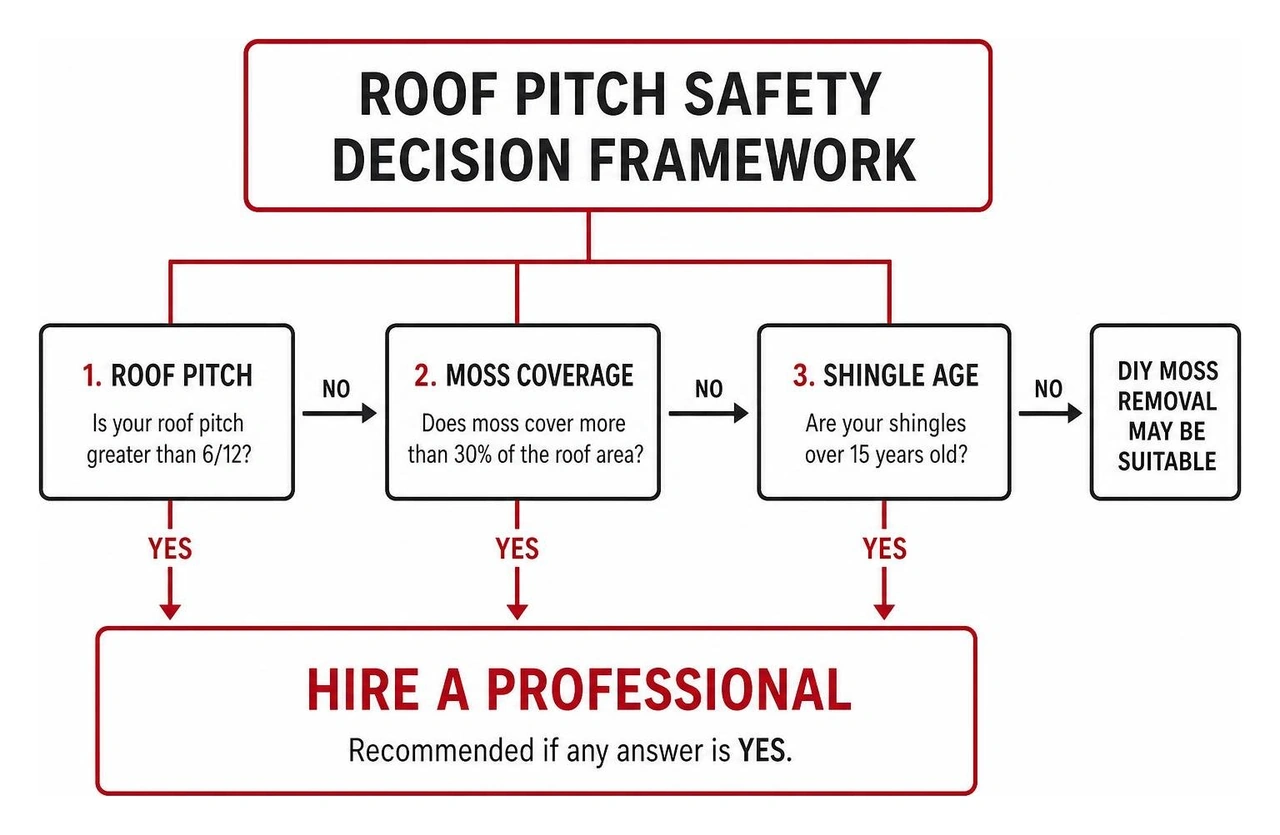
Consider calling a professional if:
- Your roof pitch is steep (greater than a 6/12 pitch).
- The moss infestation covers more than 30 percent of the total roof area.
- Your shingles are over 15 years old and fragile.
- You notice soft decking spots or signs of active interior leaks.
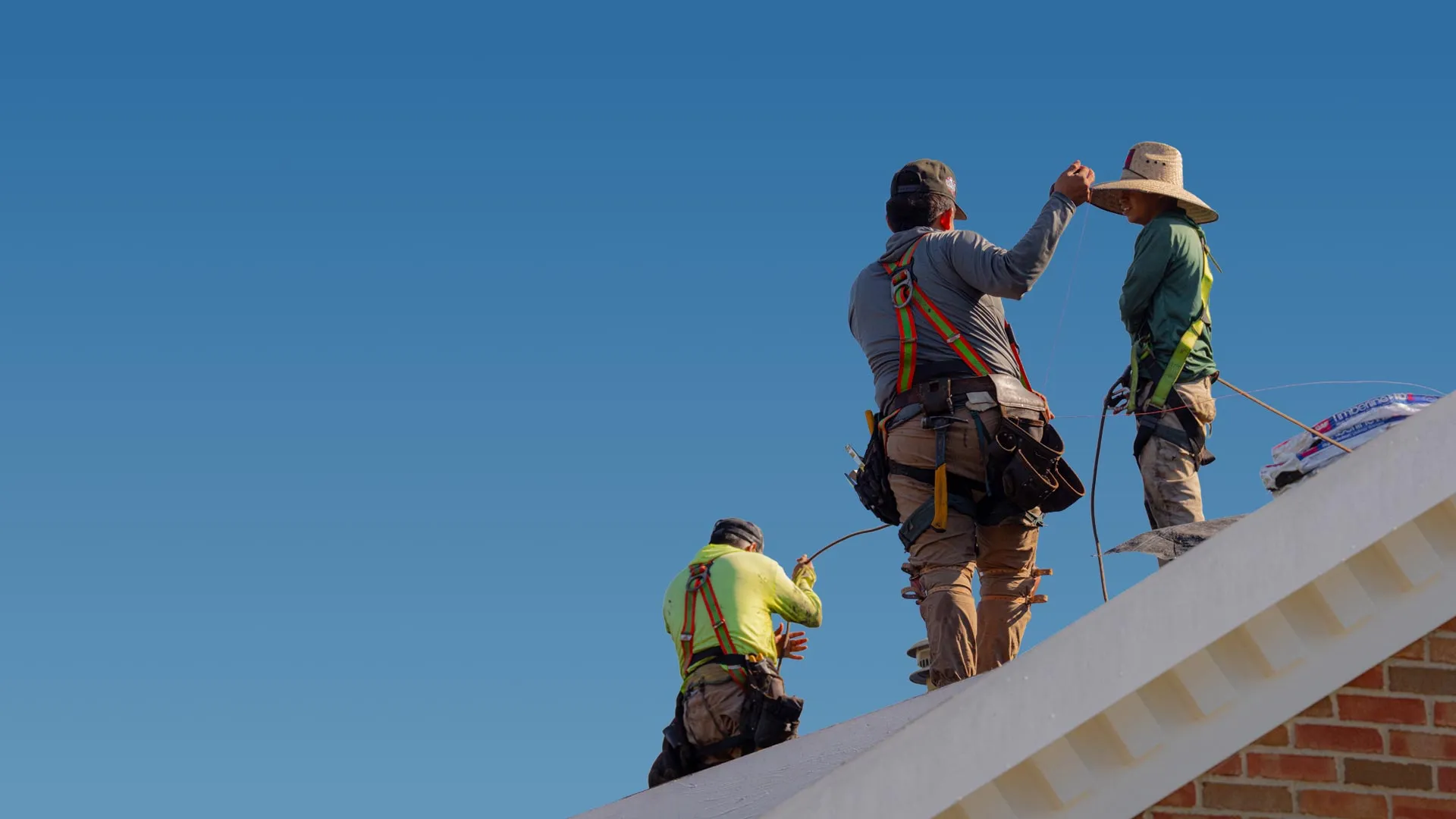
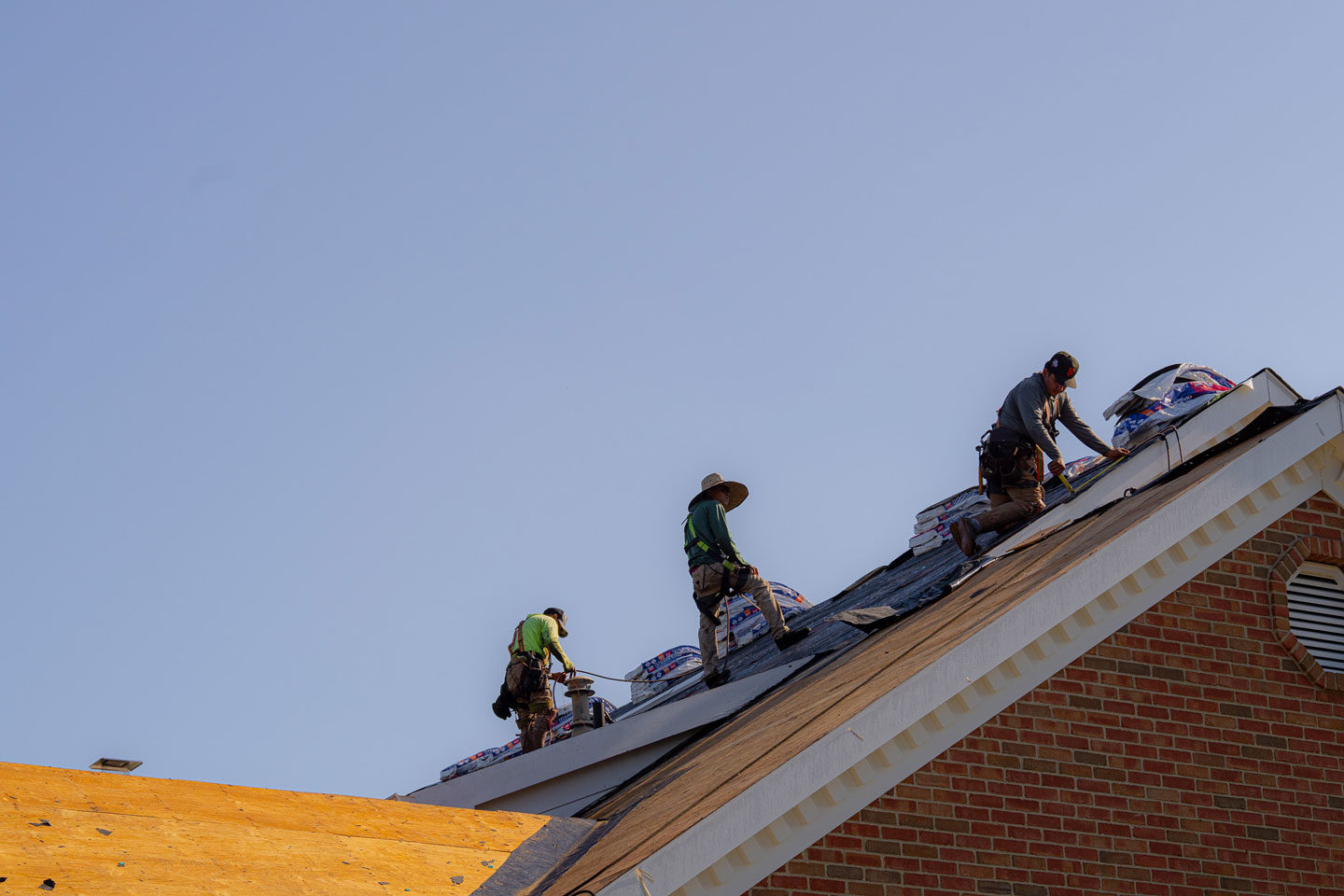
- You do not own proper fall protection equipment or are uncomfortable working at heights.
A thorough roof inspection allows a trained technician to identify compromised shingles, cracked flashings, or underlayment rot that a ground-level view will miss.
Professional vs. DIY Roof Moss Removal Costs and Safety Risks
DIY moss removal usually requires purchasing specialized cleaners, sprayers, and safety equipment. While doing it yourself might seem like a way to save money, the physical risks are significant.
More than 500,000 people in the United States are treated for ladder-related injuries every year, and falls from roofs account for a substantial share of serious home-maintenance accidents. Working on a moss-covered roof is especially hazardous because wet moss creates an extremely slippery surface.
Hiring a licensed insured roofing contractor ensures that technicians use commercial soft-washing equipment, manufacturer-approved cleaning compounds, and certified fall-arrest systems. A professional service also includes an expert evaluation of your shingle health, ensuring that your roof remains watertight.
Frequently Asked Questions About Roof Moss
What is the Best Time of Year for Roof Moss Removal?
The ideal time to clean moss from your roof is during mild, dry weather in late spring or early autumn. In Central Ohio, temperatures between 50 and 75 degrees Fahrenheit provide the best conditions.
Applying treatments during extreme summer heat causes chemical cleaners to dry too quickly before penetrating the moss root system. Conversely, freezing winter weather makes moss dormant, reducing chemical absorption and creating dangerous ice hazards on the roof deck.
How Long Does It Take for Moss to Die and Fall Off After Treatment?
After applying a soft-wash treatment, moss typically turns brown or yellow within 24 to 48 hours, indicating that the plant tissue has died. Over the next several days, the dead biomass turns into a whitish, powdery substance.
If you choose not to brush the shingles manually, rain and wind will naturally wash away the dead material over a period of 4 to 8 weeks. For heavily infested areas with thick moss pads, complete natural detachment can take up to a few months.
Will Removing Roof Moss Void My Manufacturer Warranty?
Using low-pressure soft washing with manufacturer-compatible cleaning solutions will not void your shingle warranty. Major shingle manufacturers explicitly support gentle, chemical-based soft-wash cleaning.
However, using a pressure washer, aggressive wire brushes, or harsh abrasive tools will immediately void your warranty coverage due to the granule loss and physical damage they cause.
Conclusion
Protecting your roof from moss is an essential part of preserving your home's structural integrity and curb appeal. By addressing moss growth early using gentle soft-wash techniques and long-term metal barrier strips, you protect your asphalt shingles and ensure they reach their full designed lifespan.
JF Baker Roofing provides residential roofing, commercial roofing, roof repair, roof replacement, storm damage roofing, gutter installation and repair, and sheet metal work, with honest assessments, transparent pricing, and no high-pressure sales tactics.
Family-owned and community-rooted, JF Baker Roofing has been serving Central Ohio since 1929. The company is led by third-generation owners Chad and Pat Baker. We are a CertainTeed ShingleMaster Preferred Contractor, NRCA member, and BBB Accredited Business with an A+ rating, proudly serving homeowners across Columbus, Dublin, Upper Arlington, Hilliard, Grandview Heights, Worthington, Westerville, and surrounding communities.
With nearly 100 years of three generations of Central Ohio roofing experience, we believe in recommending repairs when repairs suffice and replacement only when genuinely needed. We stand behind every roof we install, backed by professional crews, clean job sites, and clear communication on every project. Let our reputation be your security.
If you are concerned about moss growth or the condition of your shingles, contact our team today to schedule an honest residential roofing evaluation.









.jpeg)