Commercial Roofing Options Demystified
Introduction
The main types of commercial roofing are single-ply membranes such as TPO, EPDM, and PVC; layered systems such as built-up roofing and modified bitumen; and metal or shingles for pitched roofs. The right choice depends on your roof's slope, how the building is used, and how it handles Central Ohio's storms, summer heat, and winter cold.
At JF Baker Roofing, we provide residential and commercial roofing, roof repair and replacement, storm damage roofing, gutter installation and repair, and sheet metal work. You can expect an honest assessment, transparent pricing, and no high-pressure sales tactics.
I'm Chad M. Baker, a third-generation owner alongside Pat Baker, and our family has served Columbus and surrounding Central Ohio since 1929.
Core Types of Commercial Roofing Systems for Flat and Low-Slope Buildings
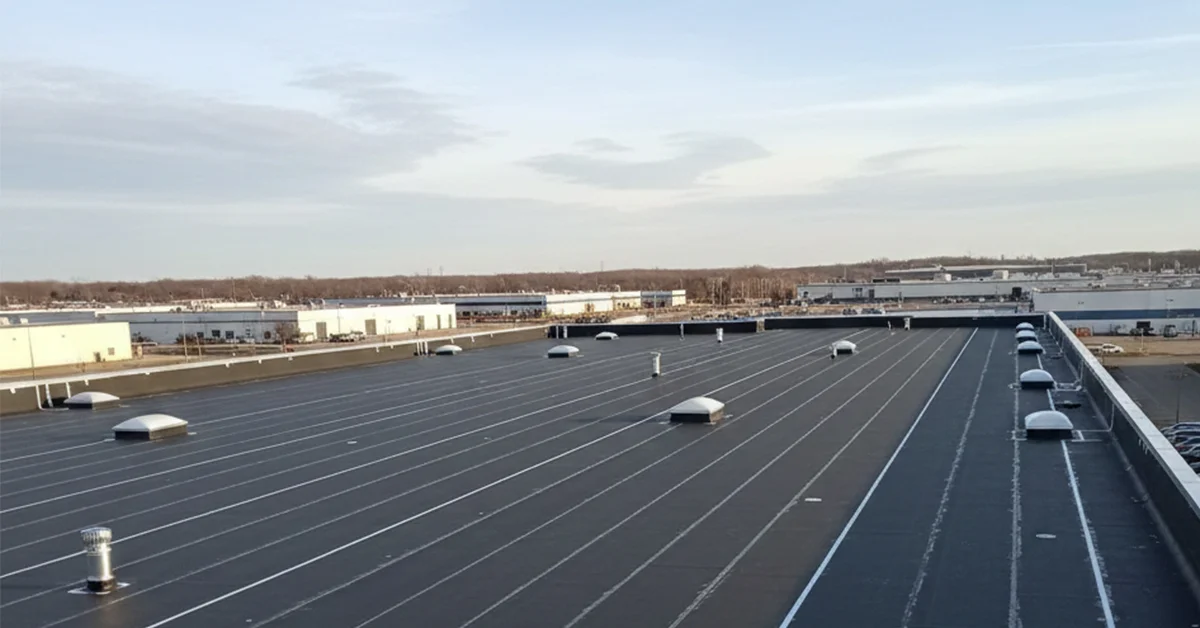
Low-slope and flat roofs protect the vast majority of commercial square footage across Columbus, Dublin, and Central Ohio. Because water does not run off a low-slope surface as quickly as it does on a steep pitch, these assemblies rely on continuous, watertight engineering.
Every dependable low-slope assembly depends on three principal components working together:
- A weatherproofing layer that keeps rain, snow, and moisture from penetrating the structure.
- A reinforcement membrane that adds structural tensile strength, puncture resistance, and dimensional stability.
- Surfacing materials that shield underlying components from intense ultraviolet rays, hail impact, and physical foot traffic.
To learn more about how building owners classify these assemblies, read this guide on understanding different types of commercial roofing. Understanding these foundational layers makes it much easier to compare specific commercial membranes.
Single-Ply Membrane Types of Commercial Roofing: TPO, EPDM, and PVC
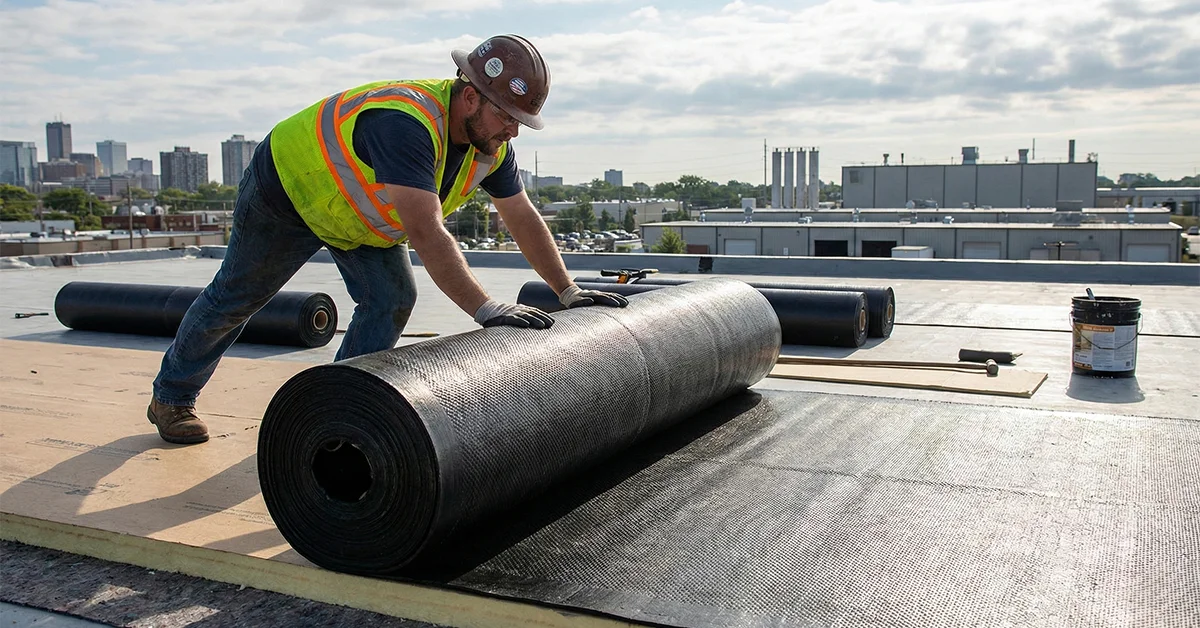
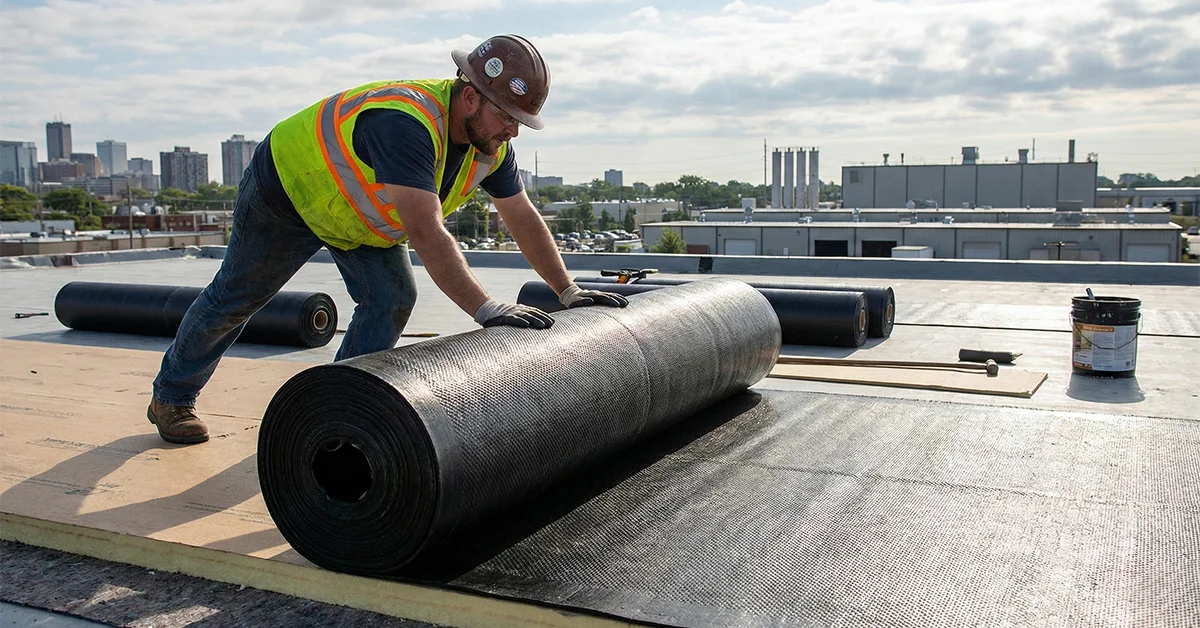
Single-ply membranes consist of flexible sheets of synthetic polymers that are mechanically attached, fully adhered, or ballasted across an insulated roof deck. They represent the modern standard for low-slope installations.
- TPO (Thermoplastic Polyolefin): TPO stands as the volume leader in commercial flat roofing, accounting for roughly 40 percent of new low-slope installs in 2026. TPO combines ethylene-propylene rubber with polypropylene through specialized polymer chemistry. Its bright white surface reflects solar heat effectively, helping cut facility cooling costs by 10 to 30 percent during hot Midwestern summers. TPO seams are hot-air welded together, creating a continuous physical bond stronger than the membrane itself. With proper preventative care, TPO systems carry an average lifespan of 20 to 30 years.
- EPDM (Ethylene Propylene Diene Monomer): Often called rubber roofing, EPDM is a synthetic elastomer with a field-tested track record lasting up to 40 years. It provides natural flexibility during deep winter freezes and thermal shifts. While historically black, modern installations can use ballasted systems or specialized coatings to manage solar heat gain. EPDM seams are sealed using specialized adhesive tapes or liquid bonding agents.
- PVC (Polyvinyl Chloride): PVC is a high-performance thermoplastic membrane engineered for severe industrial environments. What sets PVC apart is its natural resistance to animal fats, cooking oils, industrial chemicals, and harsh exhaust fumes. Like TPO, PVC seams are fused with hot air to eliminate weak points. A well-installed PVC roof carries an expected service life of 15 to 30 years.
When planning a commercial roofing installation, matching the right polymer chemistry to your property's daily operations prevents premature degradation and unnecessary roof replacements.
Multi-Layer and Asphaltic Types of Commercial Roofing: BUR and Modified Bitumen
Asphaltic systems have shielded commercial structures for over a century. Instead of relying on a single sheet, these systems use redundancy across multiple plies.
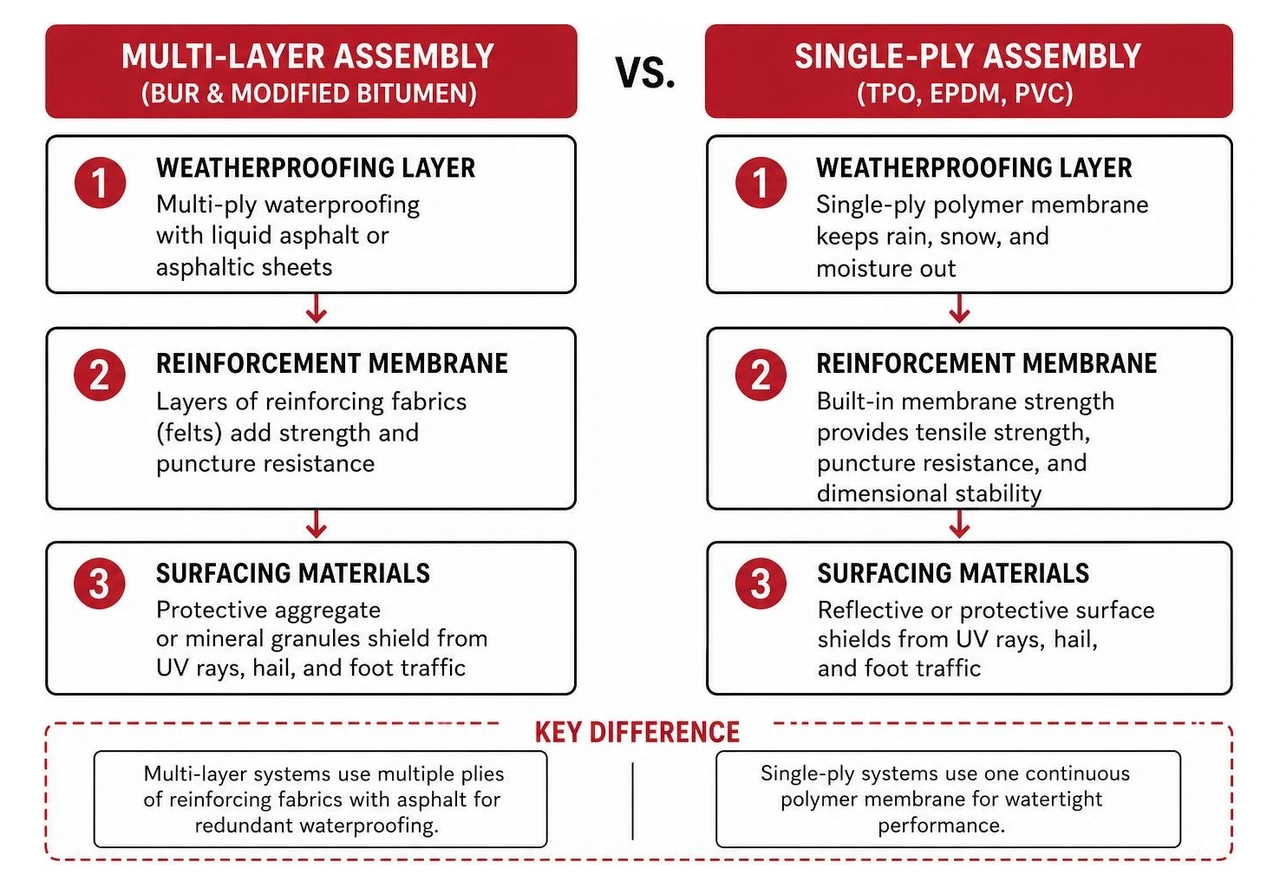
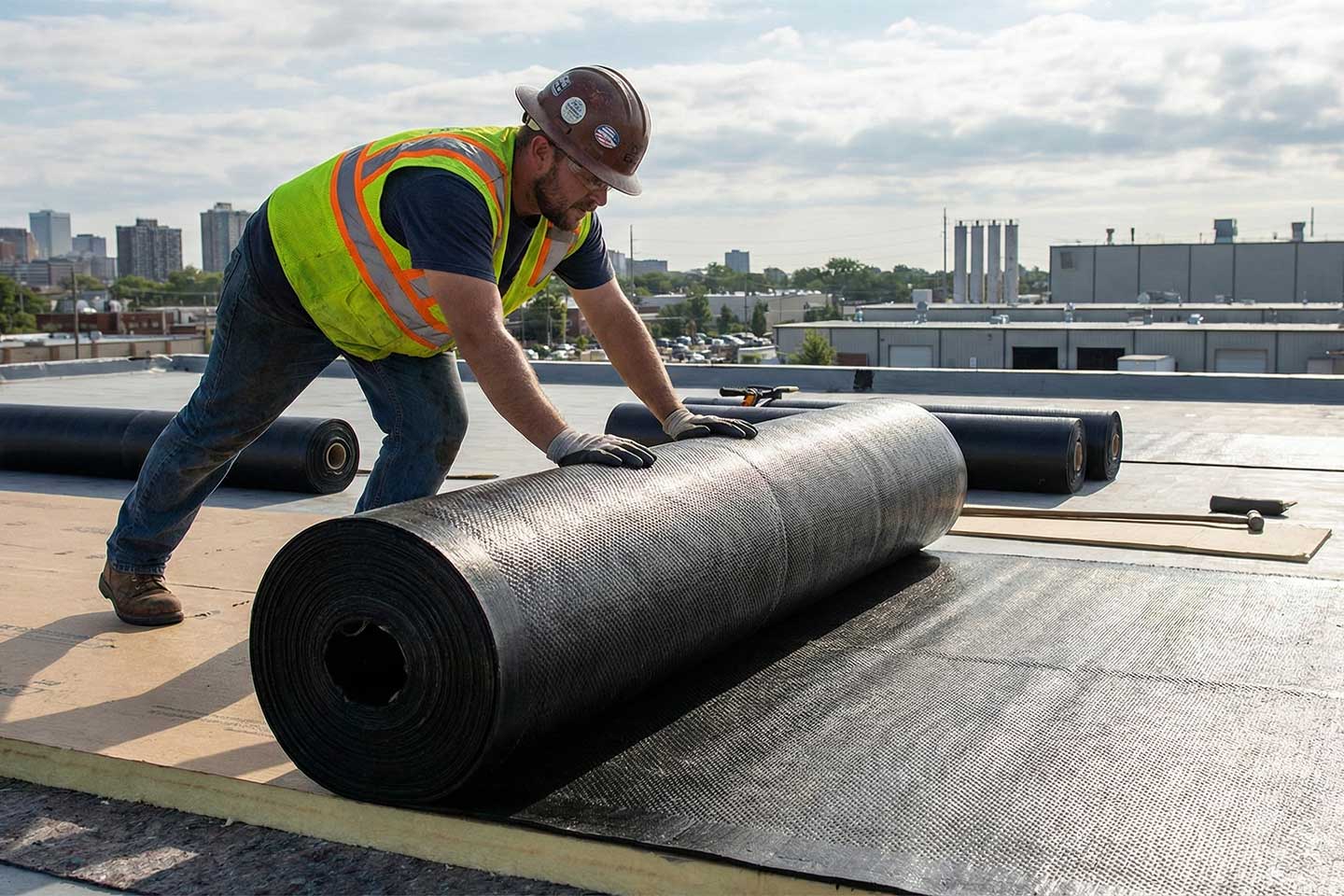
- Built-Up Roofing (BUR): Often referred to as tar-and-gravel, BUR systems alternate layers of heavy-duty reinforcing fabrics (felts) with liquid asphalt or coal tar pitch, topped with a protective aggregate surfacing. This creates a dense, multi-layered shield that can easily last 20 to 30 years, and sometimes longer when carefully maintained. BUR is exceptionally resistant to heavy rooftop foot traffic, dropped tools, and punctures from HVAC servicing crews.
- Modified Bitumen (Mod-Bit): Mod-bit evolved from traditional BUR by infusing asphalt with specialized synthetic modifiers. APP (Atactic Polypropylene) modifiers add plastic-like characteristics and superior UV resistance, while SBS (Styrene-Butadiene-Styrene) modifiers add rubber-like elasticity that stretches and recovers during freeze-thaw cycles. Modified bitumen sheets can be heat-welded with a torch, applied with cold process adhesives, or installed via self-adhering backings. Mod-bit roofs deliver a reliable lifespan of 15 to 25 years.
- Hybrid Systems: A hybrid assembly pairs a multi-ply BUR base system with a modified bitumen cap sheet. This hybrid approach combines the durability of multi-layer waterproofing with the advanced surface protection and flexibility of modern elastomeric sheets.
Specialty Low-Slope Systems: Spray Foam and Green Roofs
- Spray Polyurethane Foam (SPF): SPF roofing is applied as a liquid that expands roughly 20 times its original volume, forming a continuous, lightweight, and rigid insulating layer. Because it has no seams or joints, SPF eliminates thermal bridging and conforms around complex roof penetrations. When protected by a durable elastomeric topcoat, SPF systems can last over 50 years with regular recoating every 10 to 15 years.
- Green Roofs (Vegetated Systems): A green roof incorporates a specialized waterproofing membrane, root barrier, drainage layer, growing medium, and living vegetation. Beyond providing aesthetic value, vegetated roofs absorb stormwater runoff, reduce urban heat island effects, and shield the primary waterproofing membrane from UV exposure and thermal swings. Because the underlying waterproofing is completely shielded from sunlight and temperature extremes, green roofs often achieve lifespans of 50 to 75 years or more.
Pitched Commercial Roofing Systems and Architectural Options
Not all commercial properties are flat. Retail centers, office parks, churches, schools, and multi-family complexes frequently feature sloped roof decks that require specialized water-shedding assemblies. For building owners exploring sloped materials, reviewing commercial shingle replacement in Hilliard highlights how sloped commercial projects combine curb appeal with weather defense.
Standing Seam and Industrial Metal Panels
Metal roofing is a popular architectural choice for pitched commercial buildings, combining long-term durability with sharp visual lines. For a technical breakdown of how metal assemblies compare to low-slope membranes, consult this analysis of commercial roof types from flat to standing seam.
- Standing Seam Metal: Standing seam panels feature raised vertical ribs that interlock above the water line. Fasteners are completely concealed beneath the seams, protecting the anchor screws from weather exposure, thermal movement, and rust. Standing seam metal panels typically last 50 to 60 years, with advanced factory finishes like Kynar 500 retaining their color and protective properties for 40 years or more.
- Exposed-Fastener R-Panels: Commonly used on agricultural buildings, self-storage complexes, and light industrial warehouses, exposed-fastener panels are secured by driving screws directly through the face of the metal into the purlins below. While they offer an economical installation, the rubber sealing washers require routine inspection and replacement as they weather over time.
- Insulated Metal Panels (IMPs): IMPs consist of an exterior and interior metal skin bonded to an insulating foam core. They provide structural framing, finished exterior roofing, and high-efficiency insulation in a single installation step, making them a common choice for temperature-controlled facilities.
Commercial Asphalt Shingles, Tile, and Slate
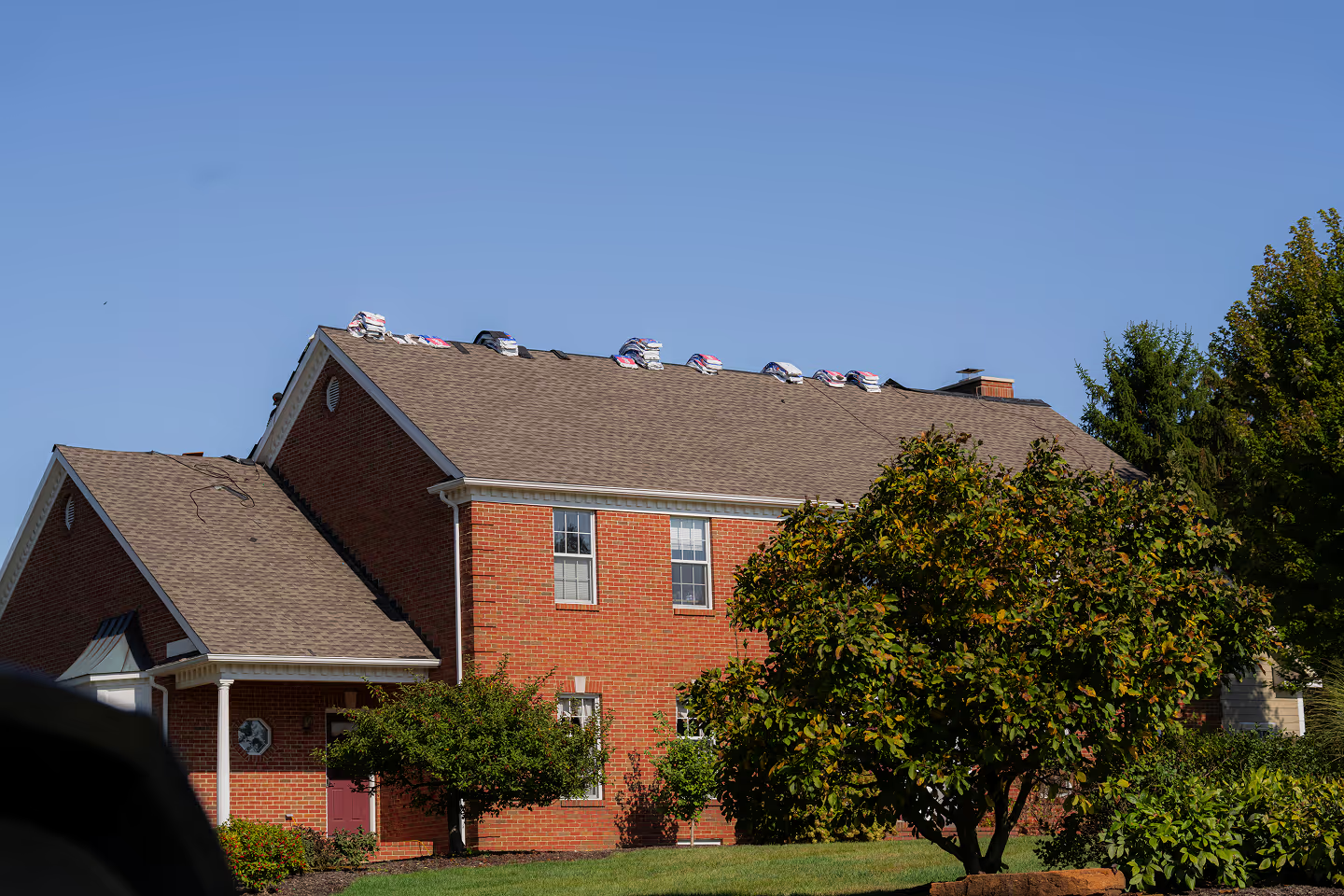
- Architectural Asphalt Shingles: Commercial-grade dimensional and multi-layered asphalt shingles provide reliable performance for multi-family residential communities, daycare centers, and professional office buildings. Modern commercial shingles feature reinforced fiberglass mats and algae-resistant granules, delivering service lifespans of 20 to 30 years.
- Concrete and Clay Tiles: Tiles provide superior fire resistance, sound insulation, and architectural character. Well-suited for historic properties, high-end office spaces, and institutional facilities, structural tile roofs often last over 50 years when supported by a sound underlayment system.
- Synthetic and Natural Slate: Natural slate is virtually fireproof and can last a century. Modern synthetic composite slate delivers a similar aesthetic profile with significantly less structural weight, making it easier to install without extensive roof deck reinforcement.
How to Match Roofing Systems to Building Use, Climate, and Budget
Choosing the right roof assembly requires balancing building occupancy, structural engineering, environmental challenges, and long-term operating costs. A helpful starting point for building owners is this overview of types of commercial roofing systems, which details how local environmental factors influence system selection.

Central Ohio properties face significant seasonal shifts, including freezing winter temperatures, heavy snow loads, spring hail, and humid summer heat. These continuous temperature swings cause building materials to expand and contract, a process known as thermal cycling.
Flexible membranes such as EPDM, SBS-modified bitumen, and heavy-duty TPO handle these movement cycles without splitting or separating at the seams.
System Selection by Building Type
- Restaurants and Commercial Kitchens: Rooftop grease vents release oils that dissolve standard asphalt and swell EPDM rubber. PVC is the standard choice because it is impervious to animal fats and cooking grease.
- Distribution Centers and Warehouses: Large logistics facilities require cost-effective coverage across expansive footprints. TPO provides an energy-reflective, lightweight surface that keeps interior temperatures stable without overworking rooftop HVAC equipment.
- Cold Storage Facilities: Freezers and cold storage environments face intense vapor drive from warm exterior air pushing toward sub-zero interior rooms. These facilities require rigid polyisocyanurate insulation assemblies paired with continuous single-ply or insulated metal panel barriers.
- Daycare Centers and Schools: Facilities serving children prioritize fire safety, strict indoor air quality, and low-odor installations during construction. When re-roofing, self-adhered modified bitumen or mechanically fastened TPO eliminates the strong fumes associated with hot asphalt kettles or solvent-heavy glues. For more on these safety considerations, see our guide on commercial roofing for daycare centers.
Costs, Lifespans, and Warranty Structures
Evaluating a commercial roofing investment requires looking beyond the initial project estimate to assess overall lifecycle value. A system that lasts 40 years with minimal upkeep often costs substantially less over time than a lower-cost membrane that requires replacement every 12 to 15 years.
Commercial roofing projects are supported by three main warranty structures:
- Manufacturer Material Warranties: These cover manufacturing defects in the membrane itself for 10 to 30 years. However, they do not cover contractor installation errors, ponding water, or storm-related damage.
- Manufacturer No-Dollar-Limit (NDL) Warranties: An NDL warranty is the gold standard in commercial roofing. Backed directly by the membrane manufacturer, it covers both material and labor costs for necessary repairs without a monetary cap over the warranty term (typically 15 to 30 years). To qualify, the roof must be installed by a certified commercial contractor and pass a rigorous quality inspection by a manufacturer technical representative before sign-off.
- Contractor Workmanship Warranties: Provided directly by the installation company, this warranty covers labor mistakes, flashing installation details, and day-to-day craftsmanship for a set period, typically ranging from 2 to 10 years.
Maintaining, Restoring, and Replacing Your Commercial Roof
Proactive roof management protects both your building structure and your balance sheet. Industry research shows that every $1 invested in preventative commercial roof maintenance saves building owners between $4 and $6 in future emergency repairs, while extending the system's useful operating life by 40 to 60 percent. Reviewing regular commercial flat roof maintenance schedules helps facility managers budget effectively for annual inspections and drain cleanings.
Warning Signs and Preventative Maintenance ROI
To protect your investment, schedule professional inspections at least twice a year (in spring and autumn) and immediately following severe wind or hail events. Contact a certified professional right away if you notice any of these warning signs:
- Ponding Water: Water that remains standing on a low-slope roof 48 hours after rain indicates poor drainage or crushed insulation beneath the membrane. Ponding water accelerates UV breakdown and adds dangerous dead weight.
- Seam Separation and Blistering: Gaps in single-ply seams or raised bubbles in asphaltic plies allow water to enter the insulation layers below.
- Flashing Failures: Over 90 percent of commercial roof leaks occur at flashings, including parapet walls, HVAC curbs, plumbing vents, and roof edges.
- Interior Moisture Stains: Water spots on ceiling tiles, peeling paint, or musty smells indicate water is already migrating through the roof deck.
When unexpected storms strike, accessing prompt commercial emergency roofing services prevents minor water intrusion from turning into ruined inventory or halted business operations.
Repair vs. Restoration vs. Complete Replacement
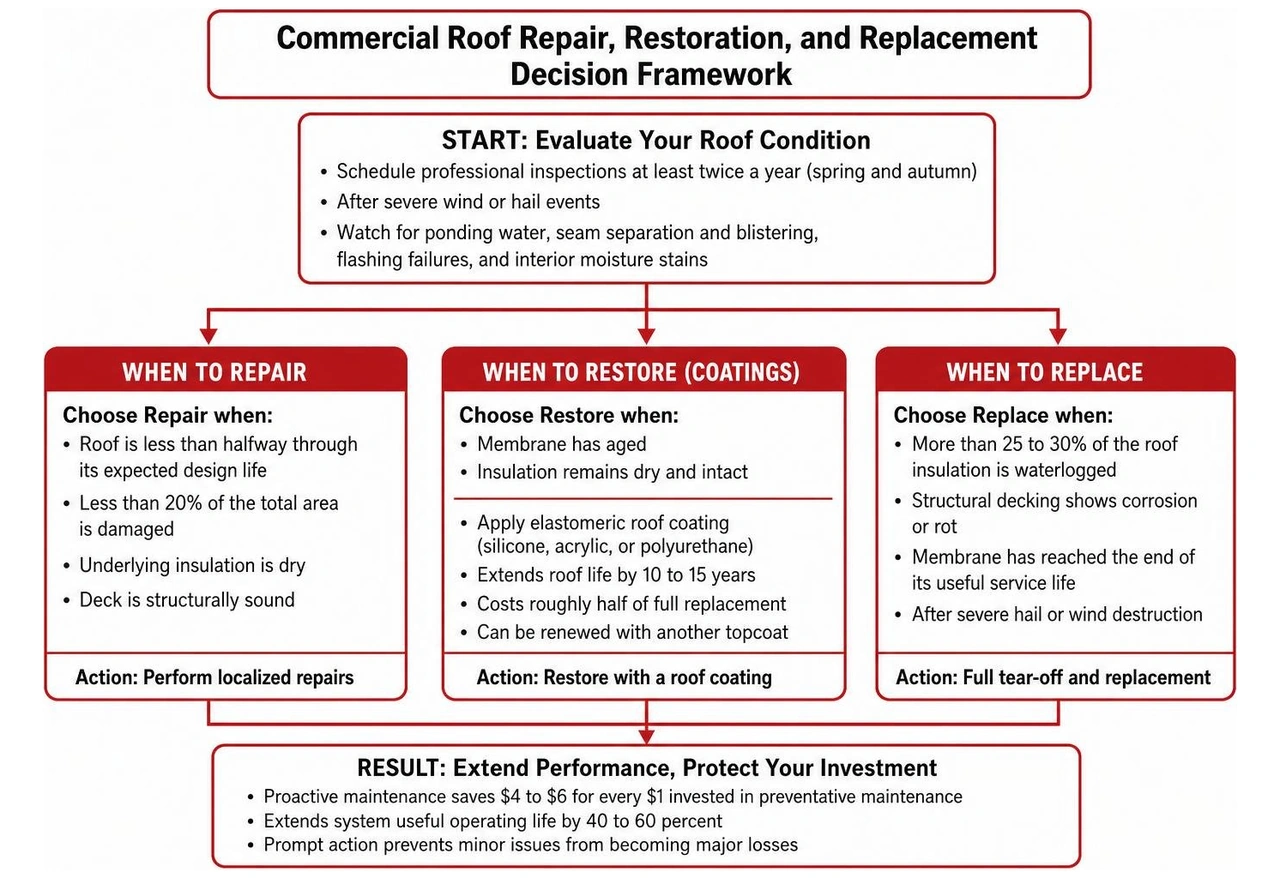
- When to Repair: Localized repairs are ideal when the roof is less than halfway through its expected design life, less than 20 percent of the total area is damaged, the underlying insulation is dry, and the deck is structurally sound.
- When to Restore (Coatings): If your membrane has aged but the insulation remains dry and intact, an elastomeric roof coating (silicone, acrylic, or polyurethane) can restore watertight protection. Restoration extends roof life by 10 to 15 years at roughly half the cost of a full replacement, and it can often be renewed with another topcoat later.
- When to Replace: Full tear-off and replacement becomes necessary when more than 25 to 30 percent of the roof insulation is waterlogged, the structural decking shows signs of corrosion or rot, or the membrane has reached the end of its useful service life. Following severe hail or wind destruction, comprehensive commercial storm restoration will return your facility to complete structural integrity and ensure it complies with modern building codes.
Frequently Asked Questions About Commercial Roofing
What is the most common commercial roof system installed in 2026?
TPO (Thermoplastic Polyolefin) single-ply membrane is the volume leader for new flat and low-slope commercial construction, making up about 40 percent of all new low-slope installations. Building owners favor TPO for its balanced combination of strong heat-welded seams, solar reflectivity, and straightforward installation.
How much does commercial roof replacement cost per square foot?
Commercial roof replacement costs vary based on several site-specific factors:
- The specific membrane or metal system selected
- The thickness and type of insulation required to meet local energy codes
- Tear-off and disposal costs for old roofing layers
- Building height, access constraints, and rooftop equipment density
- Fastener requirements and structural deck repairs
Because every commercial structure presents unique engineering demands, an on-site roof inspection is the only reliable way to establish an accurate project estimate.
What is the difference between an NDL warranty and a standard material warranty?
A standard material warranty only covers defects in the manufactured roofing product and typically prorates over time, leaving out the cost of labor to fix leaks.
A No-Dollar-Limit (NDL) warranty covers both the materials and the full labor costs required to make repairs, without a financial cap. To secure an NDL warranty, the roof must be installed by a manufacturer-certified contractor and pass a formal inspection by the manufacturer's technical field auditor.
Conclusion
Choosing the right commercial roof protects your building, inventory, and operations for decades to come. Whether you manage a retail center in Upper Arlington, a warehouse in Grove City, or a medical clinic in Westerville, selecting the appropriate system depends on your specific building use, roof slope, and budget.
At JF Baker Roofing, we provide residential and commercial roofing, roof repair, roof replacement, storm damage roofing, gutter installation and repair, and sheet metal work. We believe in honest assessments, transparent pricing, and zero high-pressure sales tactics. We recommend repairs when repairs suffice, and replacement only when it is genuinely necessary.
Trusted since 1929, our family has led three generations of Central Ohio roofing. Chad and Pat Baker lead a team that includes CertainTeed ShingleMaster Preferred Contractors, members of the National Roofing Contractors Association (NRCA), and BBB Accredited professionals with an A+ rating. We take pride in professional crews, clean job sites, and clear communication on every project.
We stand behind every roof we install. If you need a trustworthy evaluation of your building's roof, explore our full commercial roofing services and let our reputation be your security.